President gives OK for military to target drug cartels designated as terrorist organizations: report
Previous administrations have followed a century-old law prohibiting military involvement in law enforcement
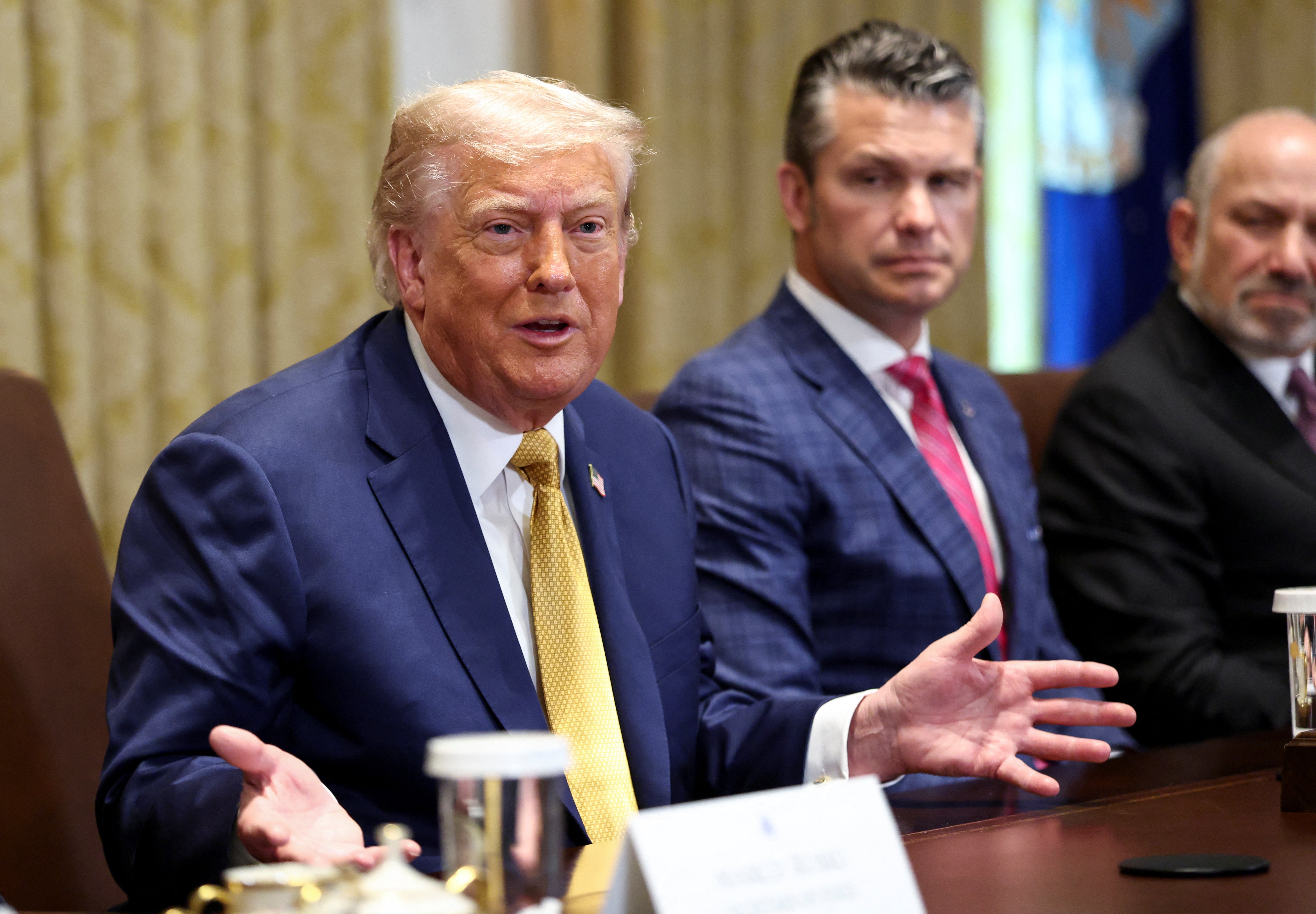
President Donald Trump has reportedly put his signature to a secret directive allowing the Department of Defense to use military force against Latin American drug cartels that the government has designated as foreign terrorist organizations.
Citing persons familiar with the matter, the New York Times reported Friday that the secret order gives official authorization for potential military operations against cartels in international waters and on foreign soil.
Since returning to office in January, Trump has aggressively pushed to involve the military in law enforcement operations, testing the bounds of a Civil War-era law, the Posse Comitatus Act, which prohibits the U.S. armed forces from engaging in domestic law enforcement.
He has also directed the State Department to designate various cartels and criminal groups as foreign terrorist organizations, including Tren de Aragua, Mara Salvatrucha (known as MS-13) and several other groups that the department says constitute a “national-security threat beyond that posed by traditional organized crime.”


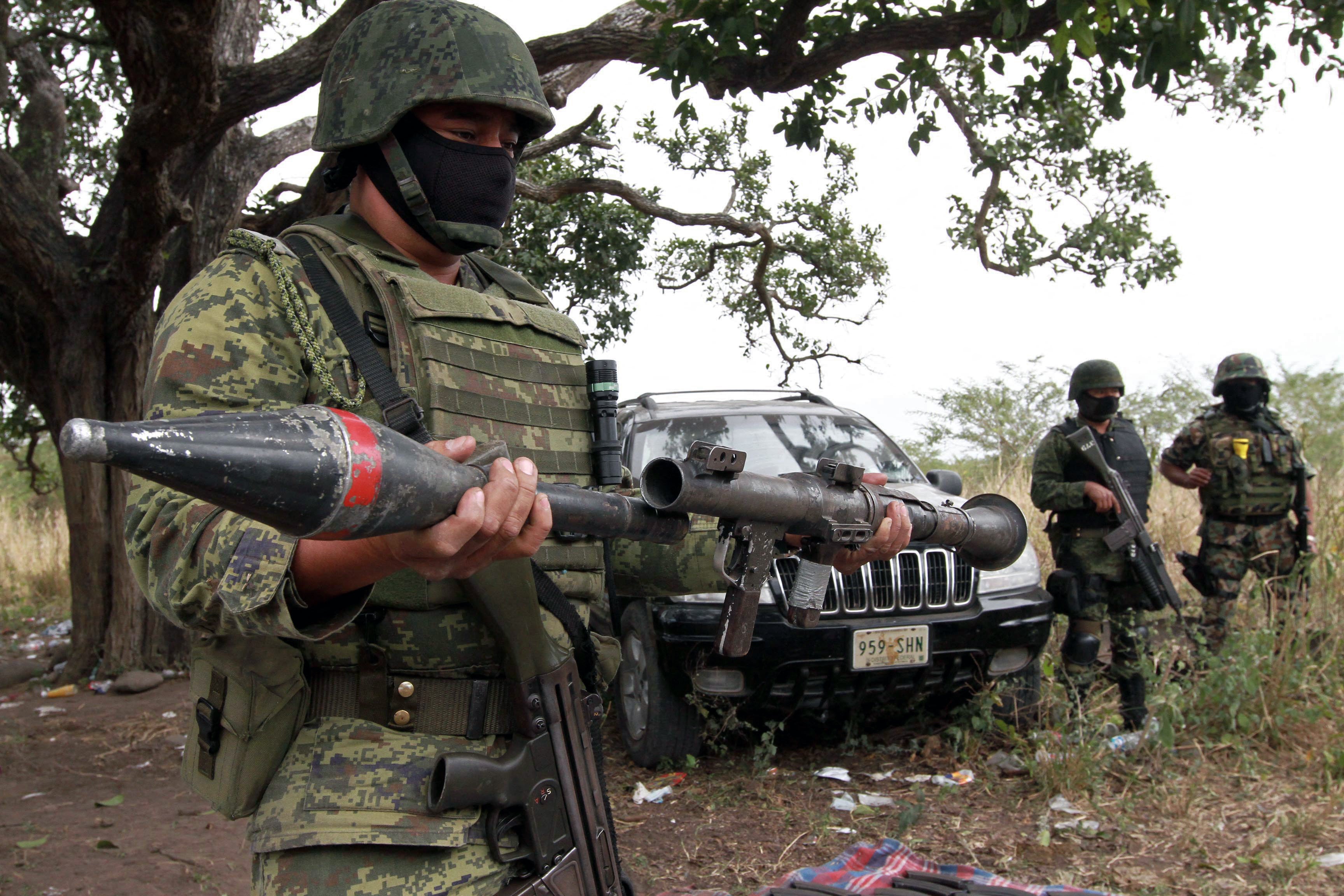
The use of American troops or naval forces against cartels or their members — persons who are civilians — could raise thorny legal issues because of previous opinions from the Justice Department suggested that killing civilians outside of an armed conflict authorized by Congress could be considered to be murder.
White House Deputy Press Secretary Anna Kelly justified the secret directive in a statement to the Times in which she said Trump’s “top priority is protecting the homeland.”
It’s not unheard of for military resources to be used to assist civilian law enforcement, such as when U.S. Navy vessels have intercepted suspected drug smugglers while operating under the supervision of the Coast Guard.
But the use of the military in direct actions against cartels would be a significant departure from past practice.
A previous use of the military in law enforcement overseas came in 1989, when then-president George H.W. Bush used active duty troops to invade Panama to arrest dictator Manuel Noriega, who’d been indicted on drug trafficking charges in an American court.
At the time, the U.N. General Assembly slammed the move as a “flagrant violation of international law” even though the Department of Justice had said it was within Bush’s authority to use troops to arrest a foreign fugitive overseas.
It’s possible that Trump may try a similar gambit against another Latin American leader, the Venezuelan dictator Nicolas Maduro.
On Thursday, the Department of Justice and the State Department said they were offering a $50 million reward for information leading to the arrest of Maduro, who like Noriega has been indicted for drug trafficking by federal prosecutors.
At a press conference, Attorney General Pam Bondi said Maduro “will not escape justice and he will be held accountable for his despicable crimes.”
Join our commenting forum
Join thought-provoking conversations, follow other Independent readers and see their replies
Comments
Bookmark popover
Removed from bookmarks