Texas woman with Stage 3 cancer sees her insurance premium rise over 700 percent: ‘I’m going to die’
Johana Scott said her premium spiked from around $200 per month to $1,725 for the same plan after ACA subsidies were allowed to lapse at the start of the year
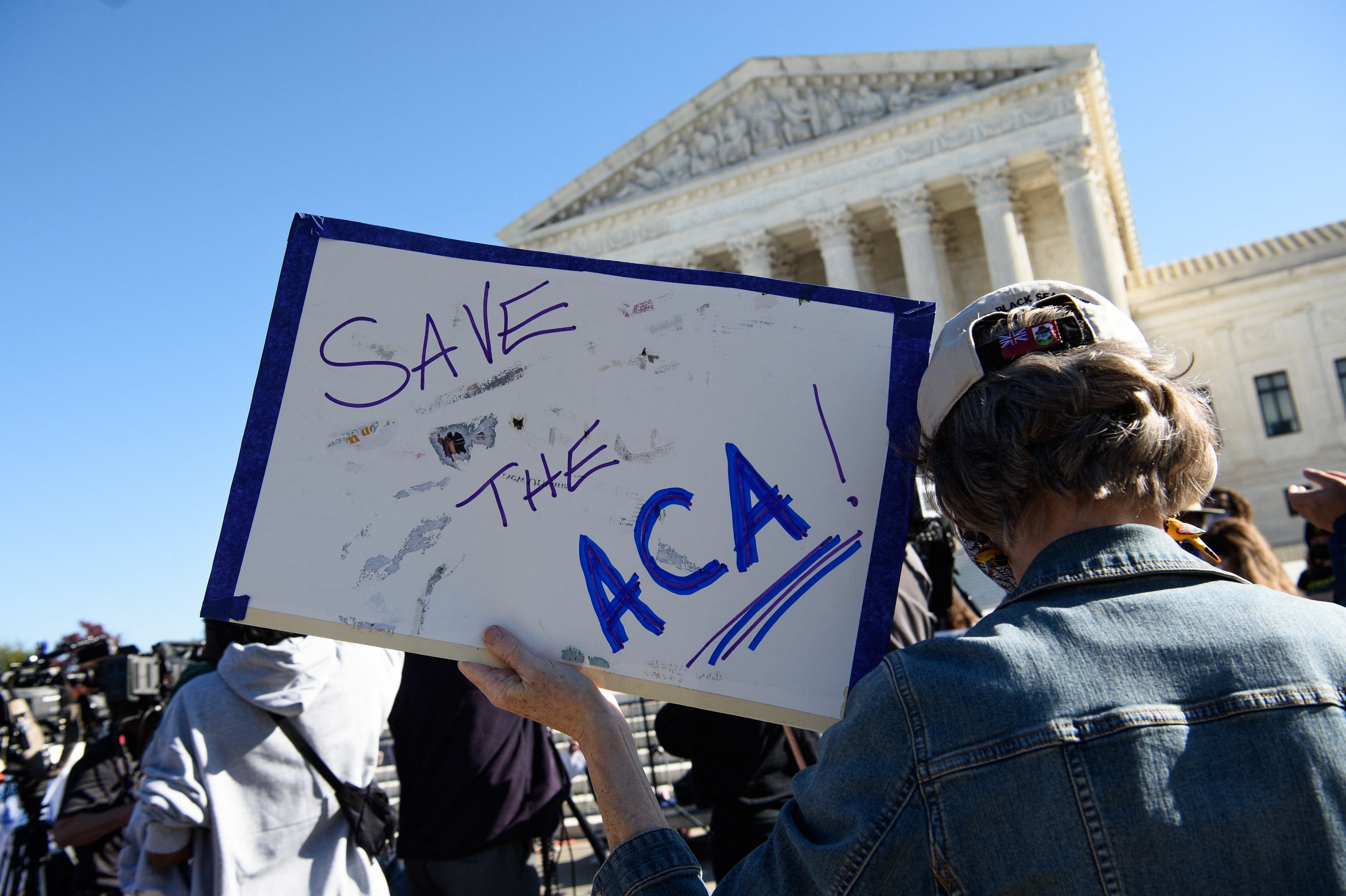
More than 20 million Americans are facing dire healthcare and financial decisions after enhanced subsidies for insurance premiums through the Affordable Care Act expired at the start of the year – and for some the consequences are urgent.
Johana Scott, a Texan battling Stage 3 cancer, told MS NOW that her premium spiked from around $200 per month to $1,725 for the same plan after the subsidies expired.
She said paying that much each month is impossible, as she only makes $1,200 per month. Assuming she could come up with the total, she said she'd have nothing left for groceries or bills.
Congress broke for its holiday recess before lawmakers could reach an agreement to extend the subsidies.
Scott said in the meantime, she is left contemplating whether or not she will survive the year. She said her cancer treatment sessions cost between $20,000 and $45,000 each. A single session is more than her annual income. Her doctors have told her she'll need regular sessions for the next two years.

“I’ve been crying since December because I don’t know what to do,” she told MS NOW. “If I don’t have my insurance, I am going to die this year.”
The enhanced subsidies provided by the ACA were created in 2021 as part of a pandemic relief bill. They were extended in 2022, and allowed a flood of people who were previously ineligible to enroll in healthcare plans.
Democrats have attempted to make the subsidies permanent, but opposition from Republicans — citing concerns about federal spending — has ensured the subsidies remain temporary.
Congress retuned to session on Monday, and there appears to be some movement toward the passage of a bill extending the subsidies. Four Republicans have broken with the party to back a Democratic discharge petition, which lets a bill go to a vote if a simple majority of the House supports the petition, according to Market Watch.
Should the Democrats pass the bill in the House, it would then likely face extreme opposition in the Republican-controlled Senate and the White House, where President Donald Trump could veto any passed legislation.
“Given the fact that some Republicans were willing to sign the discharge petition to vote on it, there’s a decent chance that enough will cross over for it to pass the chamber, but that doesn’t mean very much. The Senate previously voted down the same proposal in December,” Beacon Policy Advisors noted in a report on Monday.
The Beacon analysts said the only hope for the ACA subsidies to return is if Trump backs the legislation to bring them back. They noted that Trump considered a proposal to address the subsidies issue in November, but “when details of the compromise proposal leaked, internal GOP backlash shut it down — the very opposite of the dynamics needed for any deal to cross the finish line.”
Other analysts believe that the Republicans will try to address the issue later this year in another massive budget bill similar to Trump's 'big beautiful bill" in 2025.
Until a solution is found, millions of Americans will have to choose between potential financial ruin and possibly life-saving medical treatments.
Join our commenting forum
Join thought-provoking conversations, follow other Independent readers and see their replies
Comments
Bookmark popover
Removed from bookmarks