The last remaining US-Russia nuclear treaty expires today – risking a new arms race
‘If it expires, it expires,’ Trump shrugged off as experts have warned about the dangers to the world. Maira Butt reports
Experts have warned that the United States and Russia could be headed towards an unfettered nuclear arms race as the last remaining treaty imposing restrictions on weapons expires on February 4.
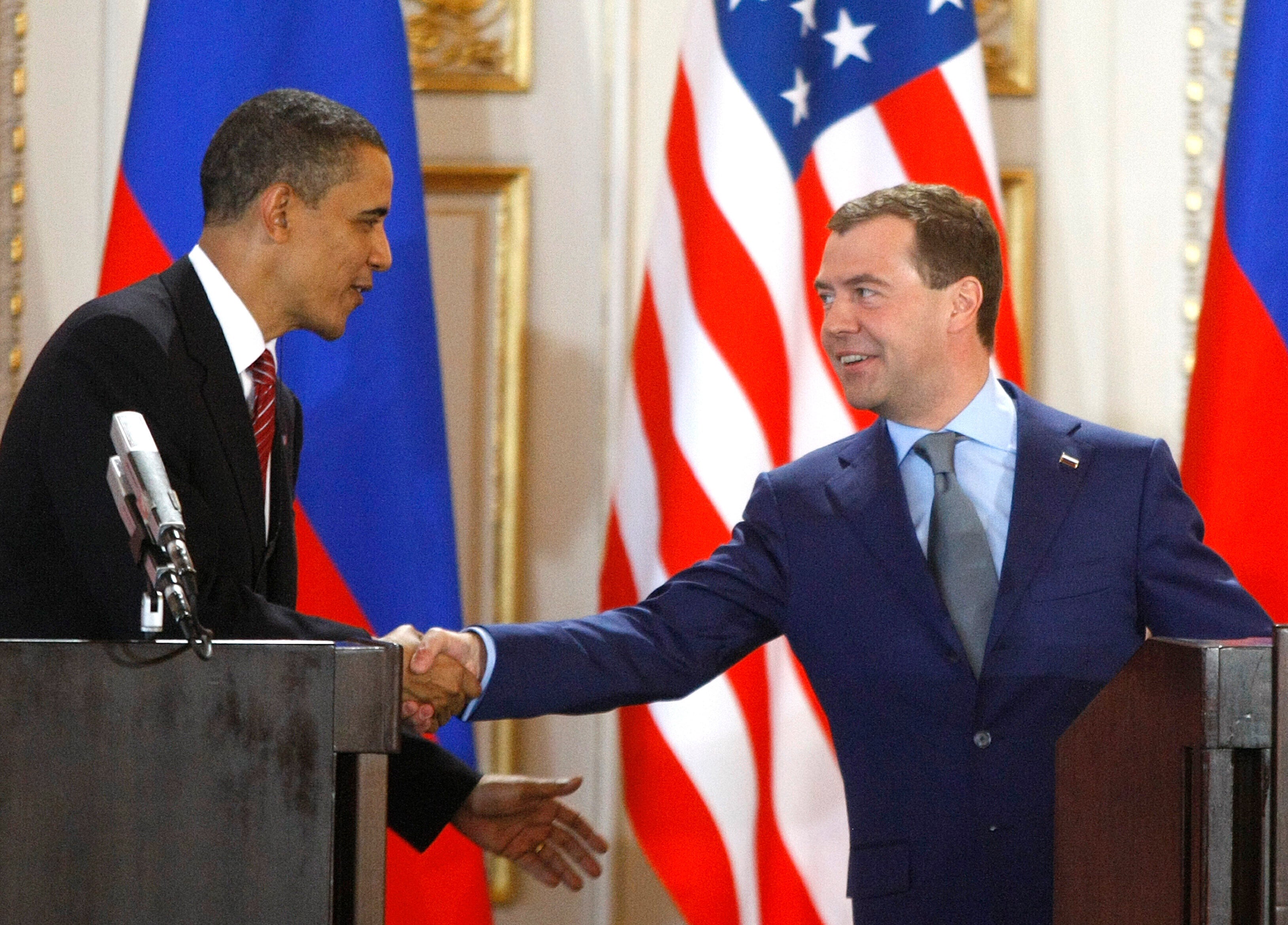
The New START treaty, introduced by former President Barack Obama and Russian leader Dmitry Medvedev in 2010, continued a legacy of over half a century of international agreements between the superpowers restricting the number of nuclear weapons.
Without a replacement, experts warn that it will be hard to contain the momentum of nuclear weapons being developed.
President Donald Trump remained noncommittal about an extension to the treaty, saying: “If it expires, it expires. We’ll just do a better agreement.”
Meanwhile, Russian president Vladimir Putin proposed adhering to the agreements limits for another year but only as long as the US did the same. Late last year, both countries threatened to resume nuclear testing.
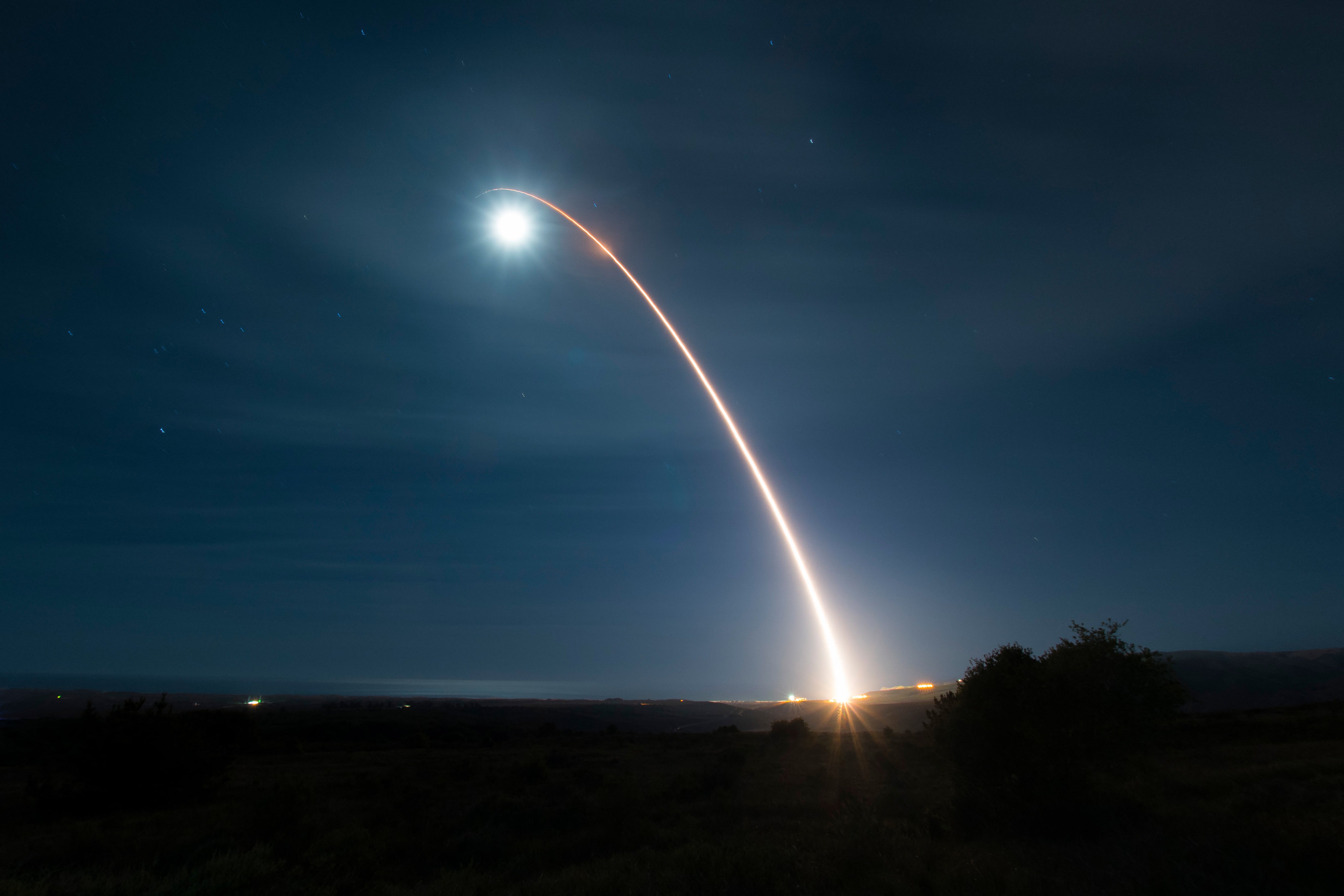
What are the current limits?
The U.S. and Russia own 90 per cent of the world’s nuclear weapons stockpile. At the moment, the pact limits each country to 1,550 deployed nuclear warheads and 700 deployed missiles and bombers and 800 launchers.
It also imposes mandatory on-site inspections to ensure compliance. However, these were halted in 2020 due to the Covid pandemic and in 2023 due to Russia suspending participation following U.S. support for Ukraine in 2023.
Inspections never resumed leading each country to rely on its own intelligence sources.
What is the worst case scenario?
“Without New START’s central limits, we could see the U.S. and Russia rapidly build up their nuclear forces, moving to an unconstrained nuclear arms race in a time of heightened geopolitical rivalry,” says Georgia Cole, research associate in the international security programme at Chatham House.
“Once either side begins uploading additional warheads or expanding deployments beyond New START ceilings, it becomes politically and militarily harder to reverse course and reconstrain forces. Momentum would shift toward competition rather than limitation.”
The treaty can only be renewed once for a five-year period, which it was under Biden in 2021, and cannot be extended again. Putin’s proposal would serve as a voluntary one-year adherence to the terms of the pact.
But without a solid replacement holding both countries in check at a time of unprecedented global tensions, a nuclear arms race will inevitably ensue – both sides rushing to develop bigger and better bombs.
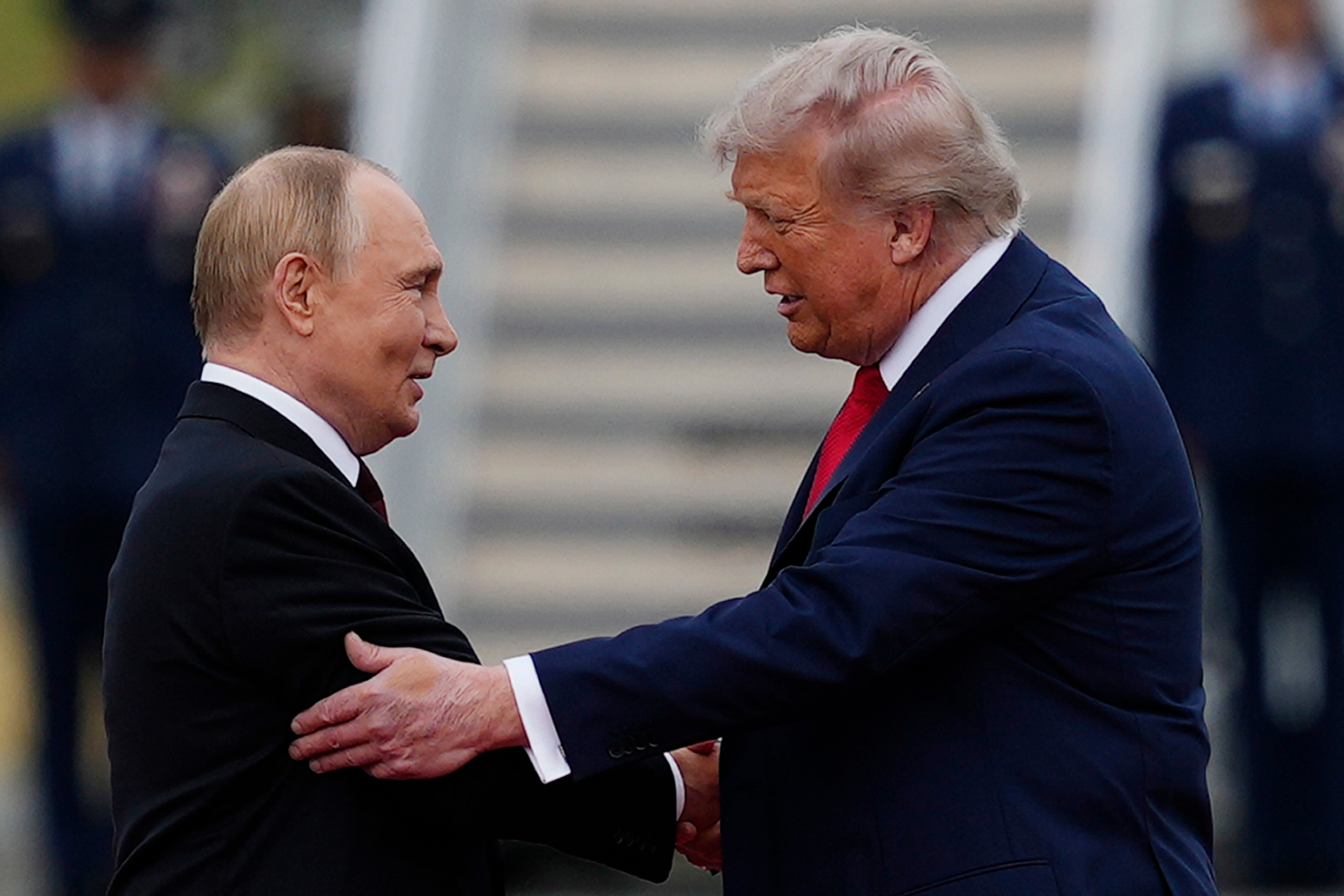
Each side would be free to increase its missile numbers and deploy hundreds more strategic warheads.
However, experts say this poses some technical and logistical challenges and would not happen overnight – it would take at least the best part of a year to make significant changes.
“The collapse of New START would represent a serious and dangerous step backwards for global arms control,” says the Secretary General for the Campaign for Nuclear Disarmament, Sophie Bolt.
What could happen next?
Russia and the U.S. have expressed an interest in maintaining limits on the development of nuclear weapons.
“Both the Kremlin and the White House appear to recognise the value of preserving a minimal nuclear security regime between the world’s two largest nuclear powers—particularly as we enter a renewed era of great-power competition, where both conventional and nuclear deterrence are once again central,” says Vuk Vuksanović, associate at the London School of Economic’s foreign policy think tank, LSE IDEAS.
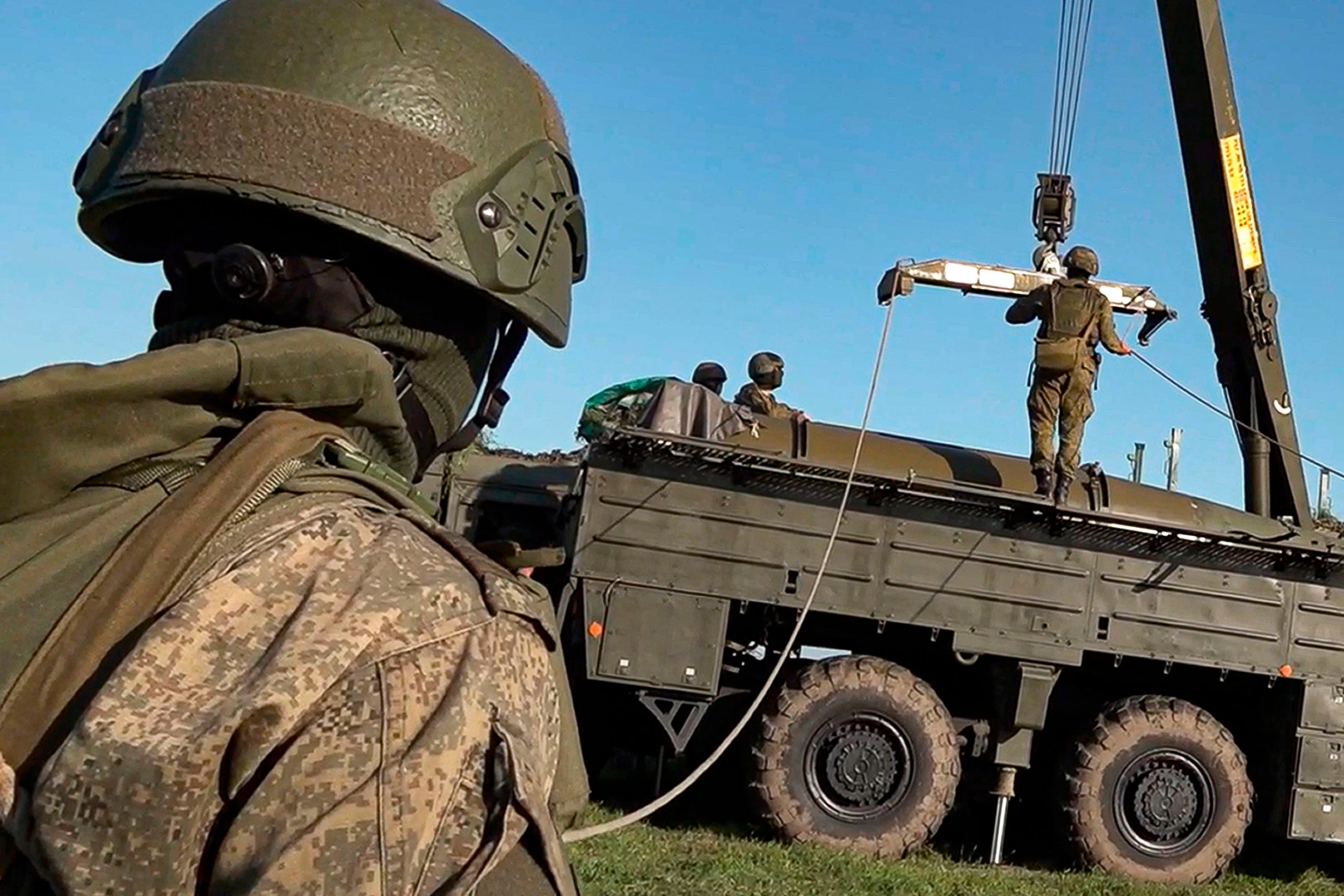
“The nuclear treaties have their own merit and importance, but the two sides also appear politically interested in not burning all the bridges.
“The Trump administration wants to keep an option of doing business with Russia once the Ukraine war is over, and the Kremlin believes that having some understanding with the U.S. gives them more international flexibility without being overly reliant on China.”
A White House official speaking on condition of anonymity to the Associated Press on Monday, said Trump had consistently indicated a desire to maintain limits on nuclear weapons and to include China in future arms control discussions.
The official added that President Trump would make a decision on nuclear arms control "on his own timeline."
Britain also had obligations under the nuclear Non-Proliferation Treaty to pursue disarmament in good faith, says Bolt.
“Rather than sitting on the sidelines, the U.K. government could show leadership and use its diplomatic influence to push for the U.S. and Russia to extend New START,” she says.
“CND has written to David Riley UK Ambassador and Permanent Representative to the Conference on Disarmament and our members are lobbying foreign secretary Yvette Cooper urging them to use their influence to secure the extension of the Treaty.”
What would it take to agree a replacement to New START?
There are several options available to both countries, including resolutions introduced in Congress calling on the U.S. and Russia to adhere to the limits after the treaty’s expiry as per Putin’s proposal.
“In the absence of formal arms control, the most realistic near-term tools are risk reduction, dialogue, and confidence-building measures,” says Cole.
“These cannot substitute for treaties, but they can help manage escalation risks and preserve a minimum foundation on which future arms control could eventually be rebuilt.”
New treaty negotiations could take years to agree and implement.
“There is no current alternative in place and no advanced negotiations underway that could fill the gap in the near term,” she continues.
“Treaty negotiations are incredibly complex, taking months if not years to be finalised. If New START expires, it is likely that we will be without an alternative for an extended period of time.”
While Trump has stated he wants to pursue "denuclearisation" with both Russia and China, Beijing says it is unrealistic to ask it to join negotiations with countries whose arsenals are still many times larger than its own.
Russia says the nuclear forces of Nato members Britain and France should also be up for negotiation, which those countries reject.
Join our commenting forum
Join thought-provoking conversations, follow other Independent readers and see their replies
Comments
Bookmark popover
Removed from bookmarks