National Parks ditches reservation system that has been used to help control crowd sizes
‘Our national parks belong to the American people, and our priority is keeping them open and accessible,’ a Trump administration official said
Visitors to popular national parks will no longer be required to make reservations, a system historically used to manage crowd sizes in America's protected natural areas.
The National Parks Service announced on Wednesday that three parks — Arches, Glacier and Yosemite — will ditch their reservation requirements starting this summer.
The agency, which is part of the Interior Department, said the decision reflects officials’ desire to expand public access during peak visitation season.
“Our national parks belong to the American people, and our priority is keeping them open and accessible,” Kevin Lilly, the acting assistant secretary for fish, wildlife and parks said in a statement. “We’re expanding access where conditions allow and using targeted tools only where necessary to protect visitor safety, maintain emergency access and preserve these extraordinary places for future generations.”
In order to prepare for this change, the parks’ seasonal workforce will be bolstered, officials said.
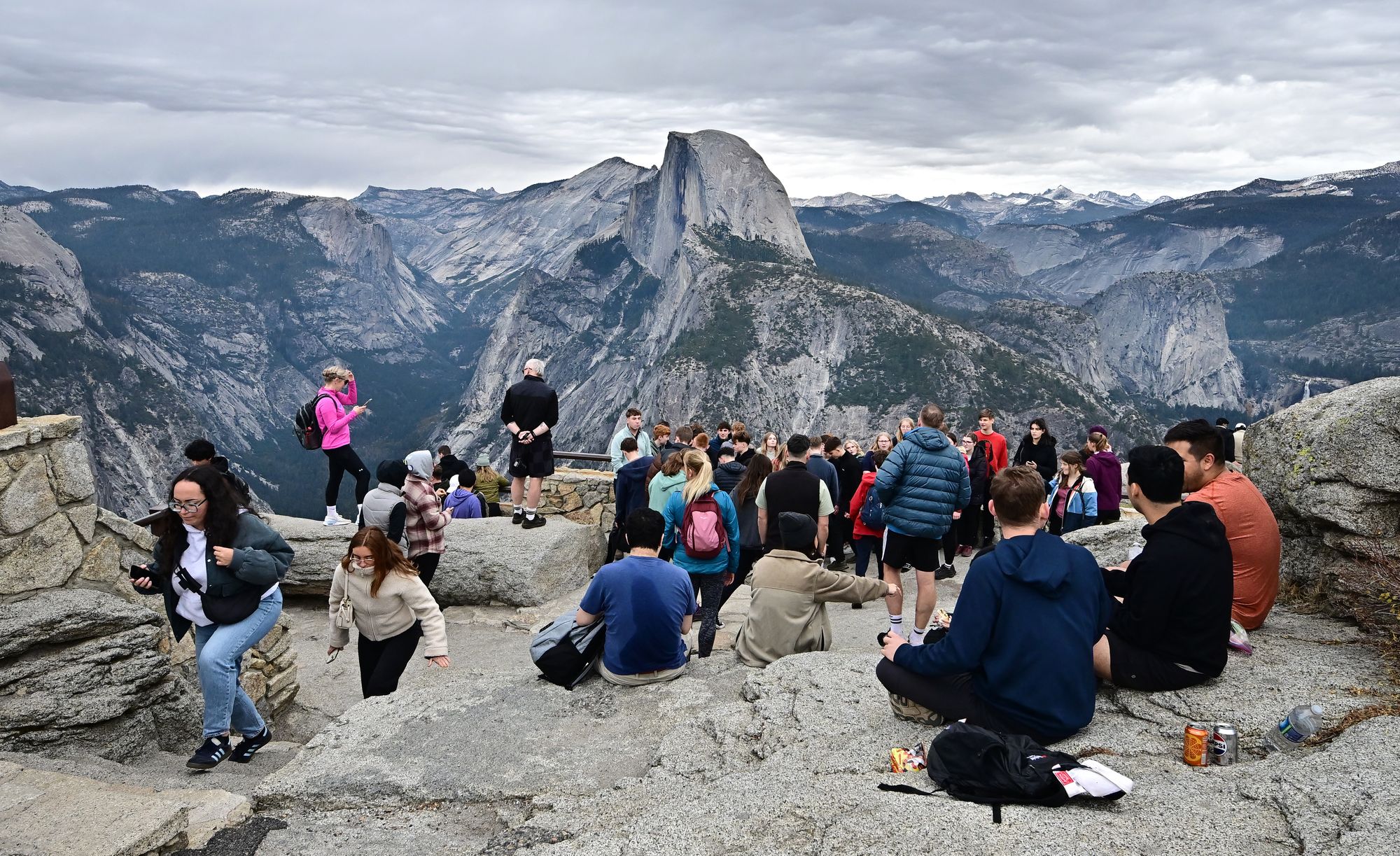
Several national parks started implementing reservation systems during the Covid-19 Pandemic in an attempt to reduce crowd sizes and to protect the spaces from overuse, according to The Wall Street Journal.
The policy elicited sharply divided responses from stakeholders: nearby business owners decried it for discouraging travel, while some outdoor enthusiasts supported it as a way to manage foot and vehicle traffic.
“In our view, [timed-entry reservations] have really made a meaningful difference in people’s visitor experiences. It creates safer conditions, protects resources and typically helps with traffic issues,” Cassidy Jones, a visitation program manager with the National Parks Conservation Association, told SFGATE.
The policy change will impact three of the country’s most popular outdoor tourist destinations, which draw millions of visitors each year.
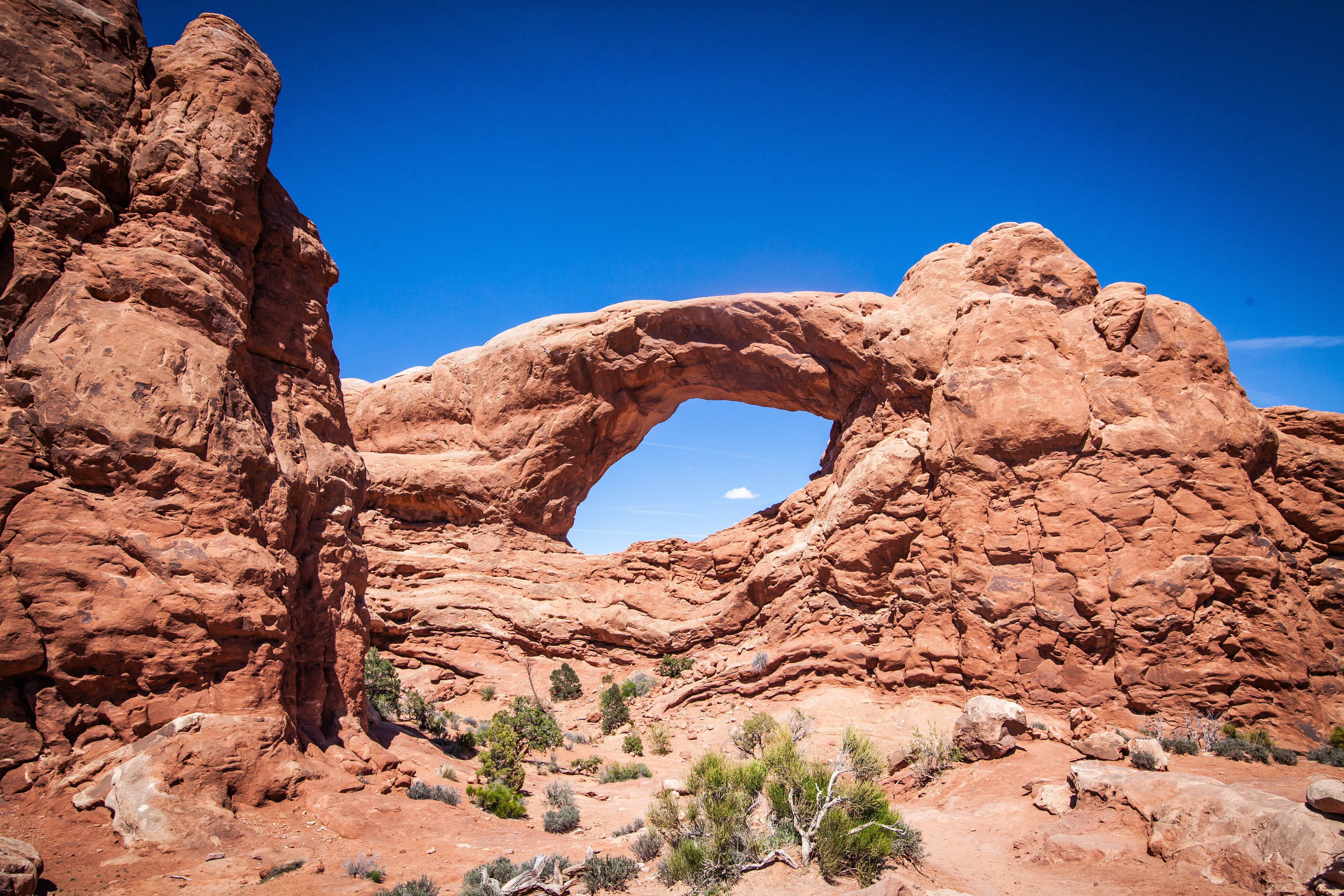
Arches National Park in Utah won’t implement a “time entry reservation system,” NPS announced. Visitors instead will be encouraged to arrive early, explore less-traveled areas and to “be flexible.”
Additionally, Montana’s Glacier National Park won’t require “park-wide vehicle” reservations in 2026. The park, however, “will continue targeted congestion management in high-demand corridors,” NPS said.
Yellowstone National Park in California, which saw some 4 million visitors in 2024, will also phase out its reservation requirements this year, including during the busiest months of the year.
“The park will rely on real-time traffic management measures, including temporary traffic diversions when parking areas reach capacity and deployment of additional seasonal staff to manage high-use areas,” officials said.
NPS noted that Rocky Mountain National Park in Colorado will maintain its timed entry reservation system between May and October.
These adjustments are among multiple recent changes to the national parks system following President Donald Trump's inauguration last year.
In December, NPS revised its list of free entrance days, dropping Martin Luther King Jr. Day and Juneteenth — two federal holidays that were added under President Joe Biden’s administration.
In their place, June 14 — which is both Flag Day and Trump’s birthday — has been included.
And in January, Trump officials directed national parks to remove or update signage addressing climate change and Native American history. Staff at more than a dozen locations across Texas, Colorado, Montana and Utah received orders to change such displays.
The directive aligns with Trump's March 2025 executive order, titled "Restoring Truth and Sanity to American History,” which aimed to purge "partisan ideology" from federal sites.
Meanwhile, the number of staff at the nation’s parks has significantly decreased. According to the Journal, NPS has lost roughly 25 percent of its permanent staff since Trump returned to office.
Join our commenting forum
Join thought-provoking conversations, follow other Independent readers and see their replies
Comments
Bookmark popover
Removed from bookmarks