Supreme Court asked to hear case that could upend same-sex marriage and absolve Kentucky clerk who refused to issue a license
The former county clerk says she should’ve been protected by the First Amendment and that a landmark 2015 ruling establishing same-sex marriage rights was wrongly decided
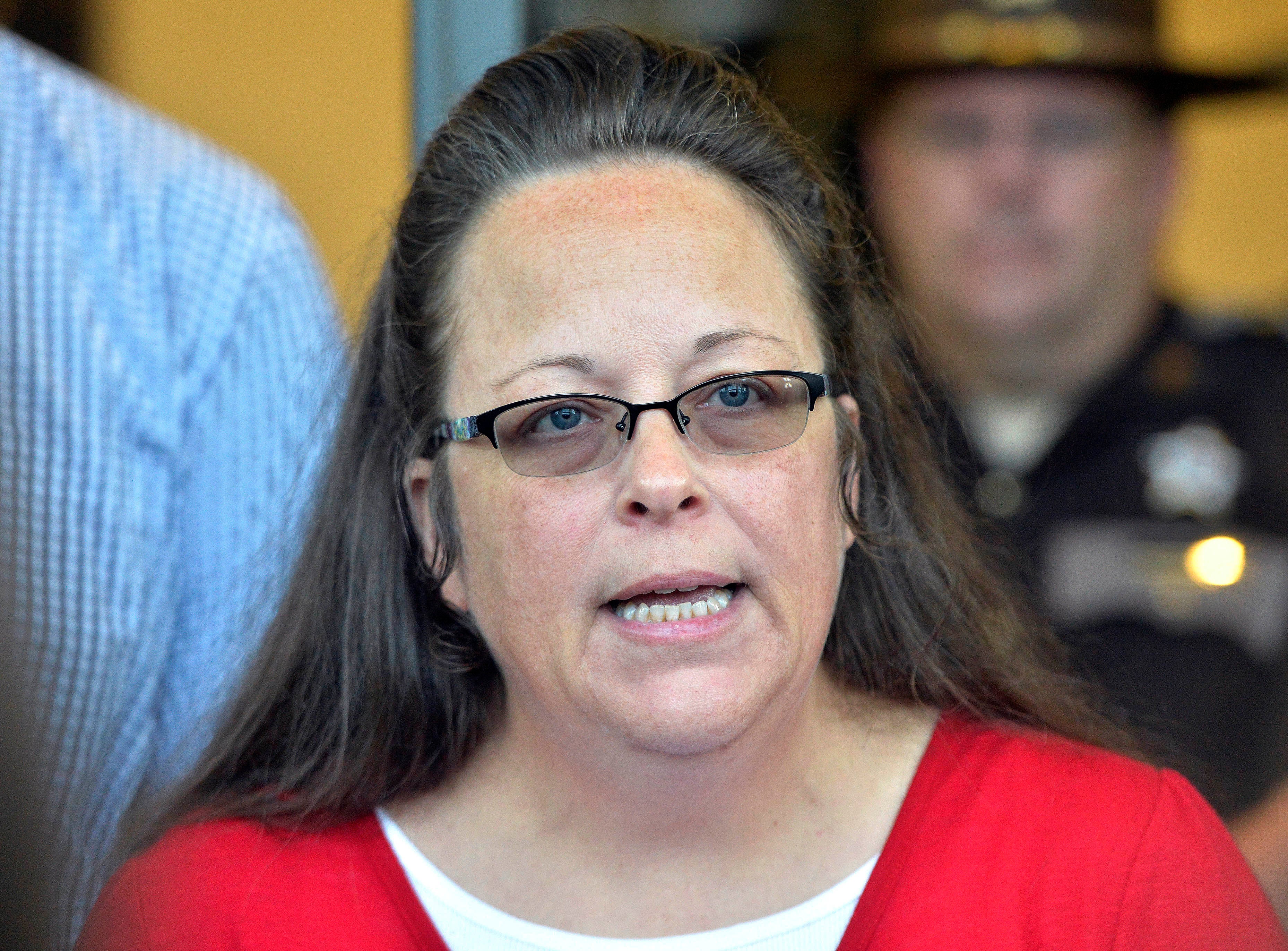
A former county clerk in Kentucky who was briefly jailed for refusing to issue same-sex marriage licenses on religious grounds is asking the Supreme Court to consider her appeal, arguing in part that the high court’s landmark 2015 decision recognizing gay marriage rights was wrongly decided.
Kim Davis, who served as Rowan County Clerk until 2018, appealed to the Supreme Court late last month, challenging lower federal court rulings that meant she was on the hook for $100,000 in damages and $260,000 in attorneys fees in a legal battle with one of the couples whose marriage she declined to certify.
“If ever there was a case of exceptional importance, the first individual in the Republic’s history who was jailed for following her religious convictions regarding the historic definition of marriage, this should be it,” the petition reads.
The couple who sued Davis, David Ermold and David Moore, argue the high court should decline to hear the case.
"Not a single judge on the U.S. Court of Appeals showed any interest in Davis's rehearing petition, and we are confident the Supreme Court will likewise agree that Davis's arguments do not merit further attention," their attorney William Powell said in a statement to ABC News.


In her appeal, Davis, supported by the religious advocacy group Liberty Counsel, argued the First Amendment’s free exercise protections should shield her from liability, and that the Supreme Court’s 2015 same-sex marriage decision in Obergefell v. Hodges is based on a “legal fiction.”
The 2015 decision, combined with a proclamation shortly after from then-Kentucky Governor Steve Beshear to recognize same-sex marriages, left Davis as a “defenseless constitutional orphan,” per the appeal, who “stands before the Court solely as an individual—stripped of any government immunity, a consequence that began with this Court’s Obergefell opinion.”
The appeal, which quotes heavily from two current Justices who dissented to the gay marriage ruling at the time — Clarence Thomas and Chief Justice John Roberts — also asks the high court to go after an even deeper set of legal standards known as substantive due process.
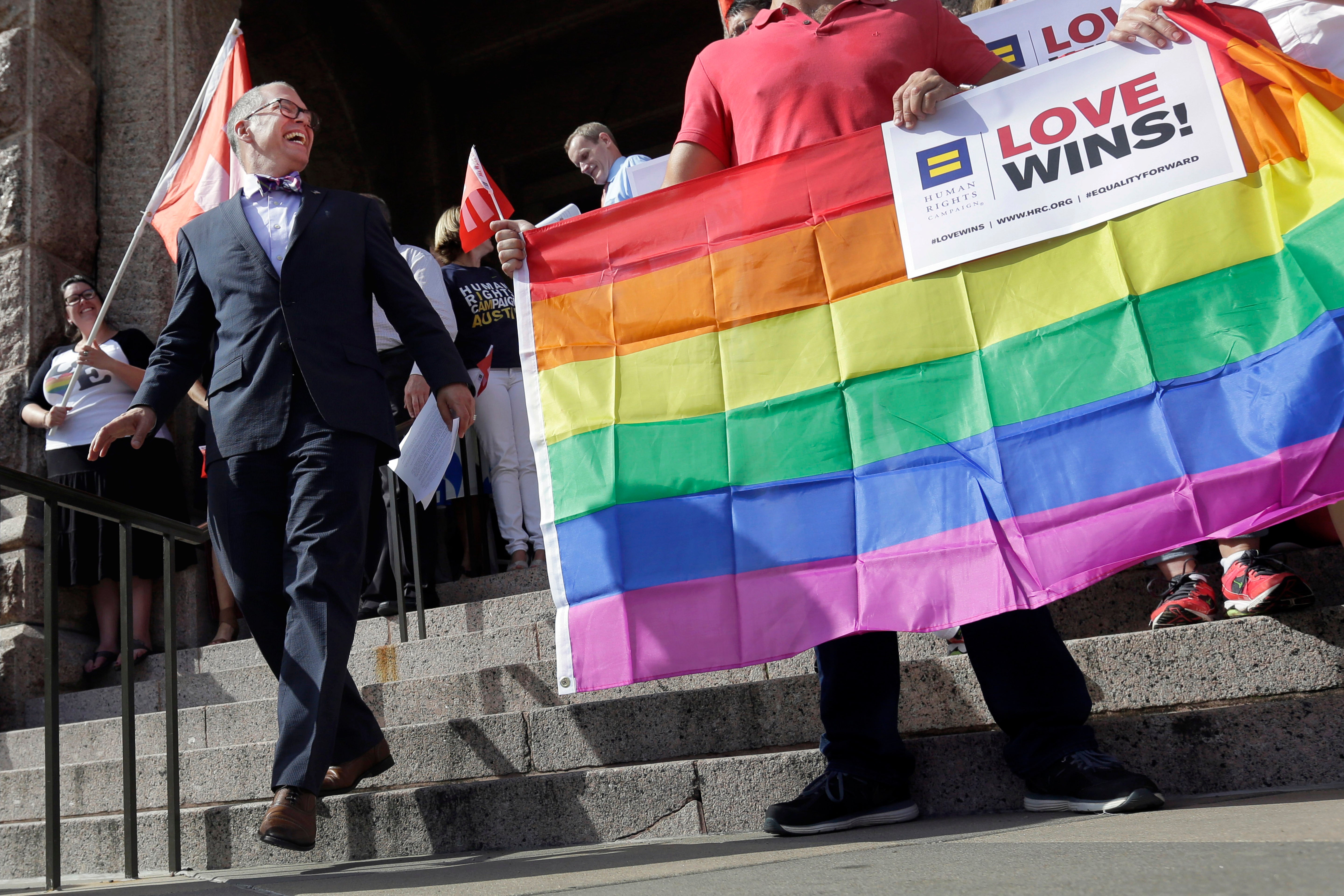
Under this concept, courts have found that the due process protections of the Fifth and Fourteenth Amendments create rights not explicitly mentioned in the Constitution to privacy, interracial marriage, same-sex marriage, and, until the 2022 decision overturning Roe v .Wade, abortion.
Though more than two-thirds of Americans support same-sex marriage, the appeal comes at a time when conservative groups and states are pushing to roll back the protections from Obergefell.
As of this year, at least nine states have legislation aiming to block new licenses for gay marriages or resolutions urging the Supreme Court to overturn the 2015 ruling.
In June, the Southern Baptist Convention, the nation’s largest Protestant Christian denomination, voted to make overturning the ruling a top priority.
If the Supreme Court decides to hear Davis’s case and subsequently overturns Obergefell, marriage law would revert back to the states. Both states and the federal government would still be required to recognize marriages from states where gay marriage is legal under the 2022 Respect for Marriage Act.
Join our commenting forum
Join thought-provoking conversations, follow other Independent readers and see their replies
Comments
Bookmark popover
Removed from bookmarks