Photographer who took White House Vanity Fair portraits shares terrifying Epstein anecdote
Photographer Christopher Anderson recalls the billionaire pedophile dispatching a bodyguard to attempt to intimidate him
Christopher Anderson, the photographer who shot members of Donald Trump’s cabinet for a Vanity Fair feature last month, has taken to Instagram to post a portrait he once took of Jeffrey Epstein, accompanied by a disturbing anecdote.
Beside a stark, black-and-white image of the late pedophile and five more of him and his lavishly-furnished office – complete with stuffed tiger and framed photographs of the occupant’s famous friends – Anderson wrote: “Yes, that’s Jeffrey Epstein.”
He explained that he was assigned by New York Magazine to photograph Epstein in 2015 to illustrate an article by Michael Wolff, the journalist and Trump biographer whose email correspondence with the disgraced billionaire was released last year by Democrats on the House Oversight Committee.
“I didn’t know much about him, other than the fact that he had heavy connections to powerful men,” Anderson wrote of Epstein. “He wanted to meet me before the shoot to negotiate buying out the pictures after publication.
“A young woman with an Eastern European accent answered the door (I would later see the same girl setting up a massage table in a room just off one of his offices) followed quickly by his private secretary, Lesley Groff.”
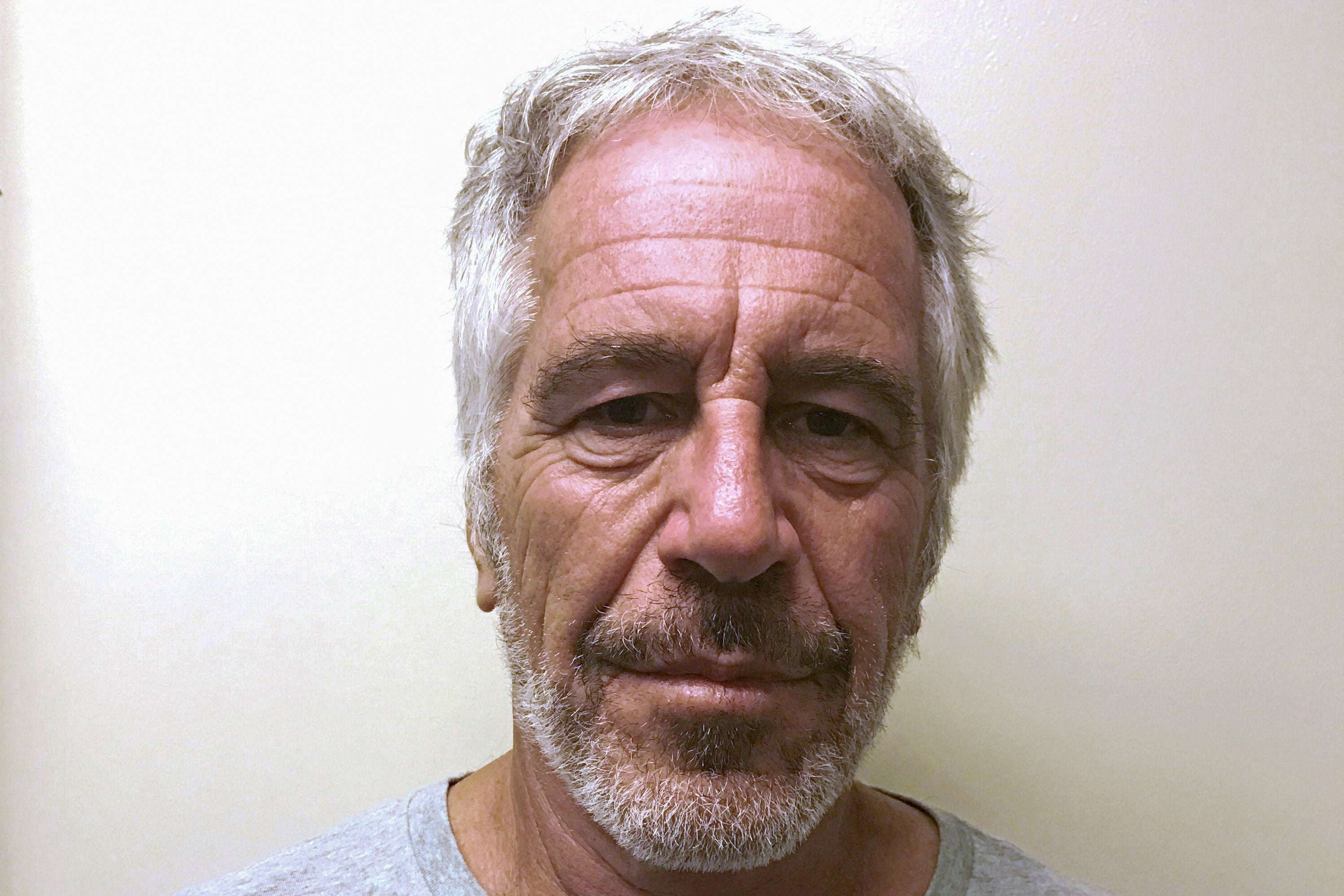
Anderson continued: “When Epstein arrived, his eyes sized me up like someone always looking for the angles. He quizzed me about my pictures and how the shoot would go and how much I thought my pictures were worth.
“He said he didn’t want anyone else to have the pictures after the magazine published them, and offered me $20k to own them after publication.”
The photographer explained that the offer amounted to “all the money in the world to me at the time” because he had a young family to support and that he had already been granted permission by the magazine to make such an agreement with his subject, who was made to understand he would not receive the images until they had been published.
“Several days later, he decided to pull out of the story and started calling me to demand the pictures,” Anderson resumed. “I reiterated that the pictures were not his until after publication. Then the threats started. He sent his bodyguard/driver, Merwin, a massive guy in a long black overcoat and black, leather gloves, to my studio to intimidate me (it worked).
“The magazine killed the story, too. So I cashed the check and Merwin came by again to collect the hard drive and make sure I didn’t have any more copies of the photos. Today, I found the copy on a very old hard drive.”
The Department of Justice is currently in the process of releasing all of its documents and investigative materials on Epstein, who died by suicide in a New York City jail cell in 2019 while awaiting trial, in compliance with the Epstein Transparency Act.
The deadline for the full publication of the files was December 19, but the DOJ has so far posted only around 1 percent of its total holdings (by its own estimate) on its website in two tranches. It has advised a federal judge that it still has more than 2 million documents to review before they can be posted.
More than 400 DOJ attorneys and 100 FBI analysts are set to spend “the next few weeks” dedicating “all or a substantial portion of their workday” to examining the files, Jay Clayton, U.S. Attorney for the Southern District of New York, wrote to U.S. District Judge Paul A. Englemayer in an update this week.
The legal experts are making redactions in the interest of safeguarding the sex offender’s victims, protecting national security, and preventing ongoing investigations from being compromised, the DOJ has said.
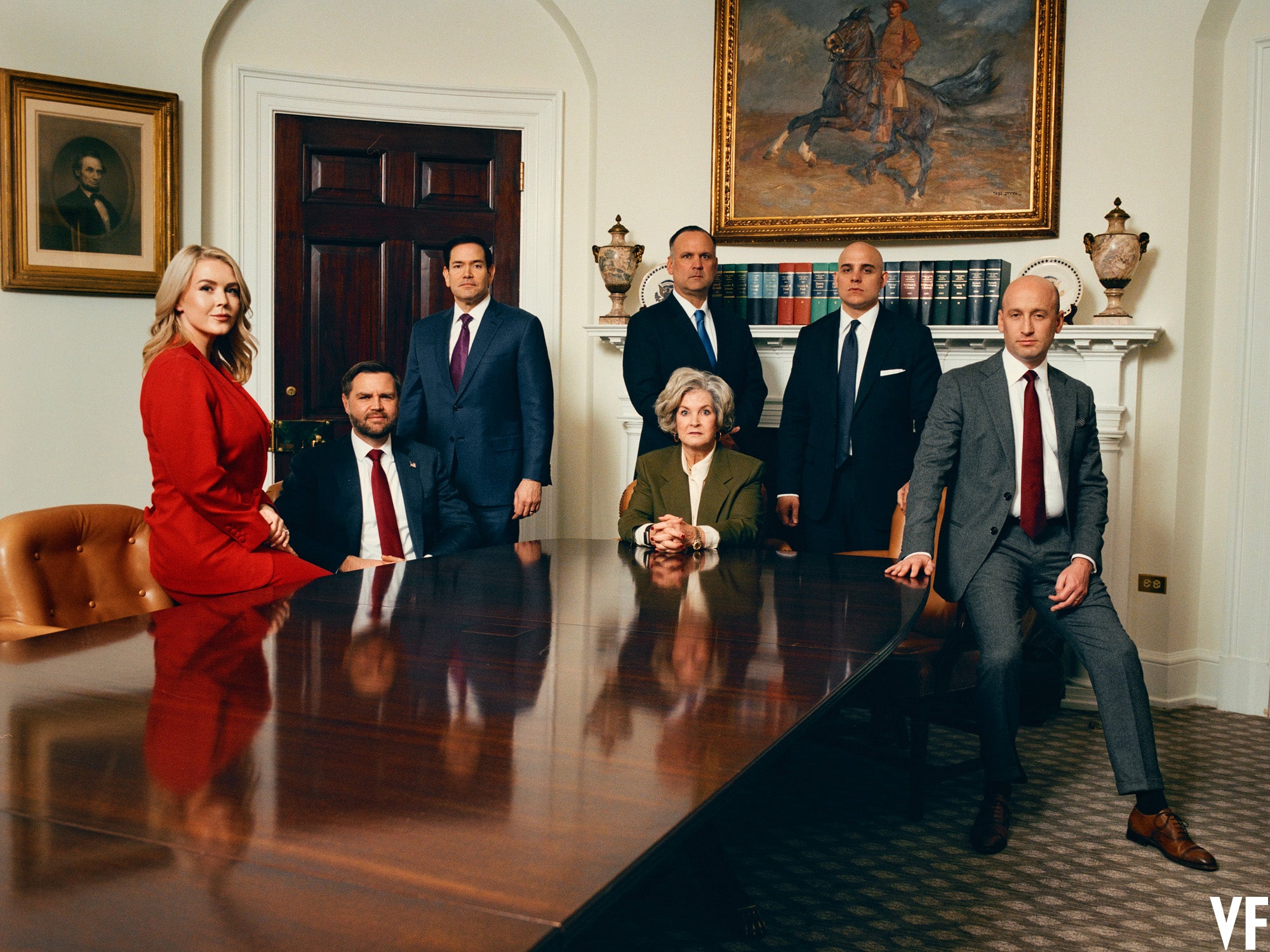
Anderson recently attracted attention for his series of portraits of members of Trump’s inner circle, like White House Chief of Staff Susie Wiles, Press Secretary Karoline Leavitt, Vice President JD Vance, Secretary of State Marco Rubio, and Deputy Chief of Staff for Policy Stephen Miller.
“Very close-up portraiture has been a fixture in a lot of my work over the years,” he told The Independent. “Particularly, political portraits that I’ve done over the years. I like the idea of penetrating the theater of politics.
“I know there’s a lot to be made with, ‘Oh, he intentionally is trying to make people look bad’ and that kind of thing – that’s not the case. If you look at my photograph work, I’ve done a lot of close-ups in the same style with people of all political stripes.”
Join our commenting forum
Join thought-provoking conversations, follow other Independent readers and see their replies
Comments
Bookmark popover
Removed from bookmarks