JD Vance texted in Hegseth’s infamous Signalgate group at 2:30am after scandal broke
Vance received no response to his message, which was sent a day after news broke of a journalist being added to the chat
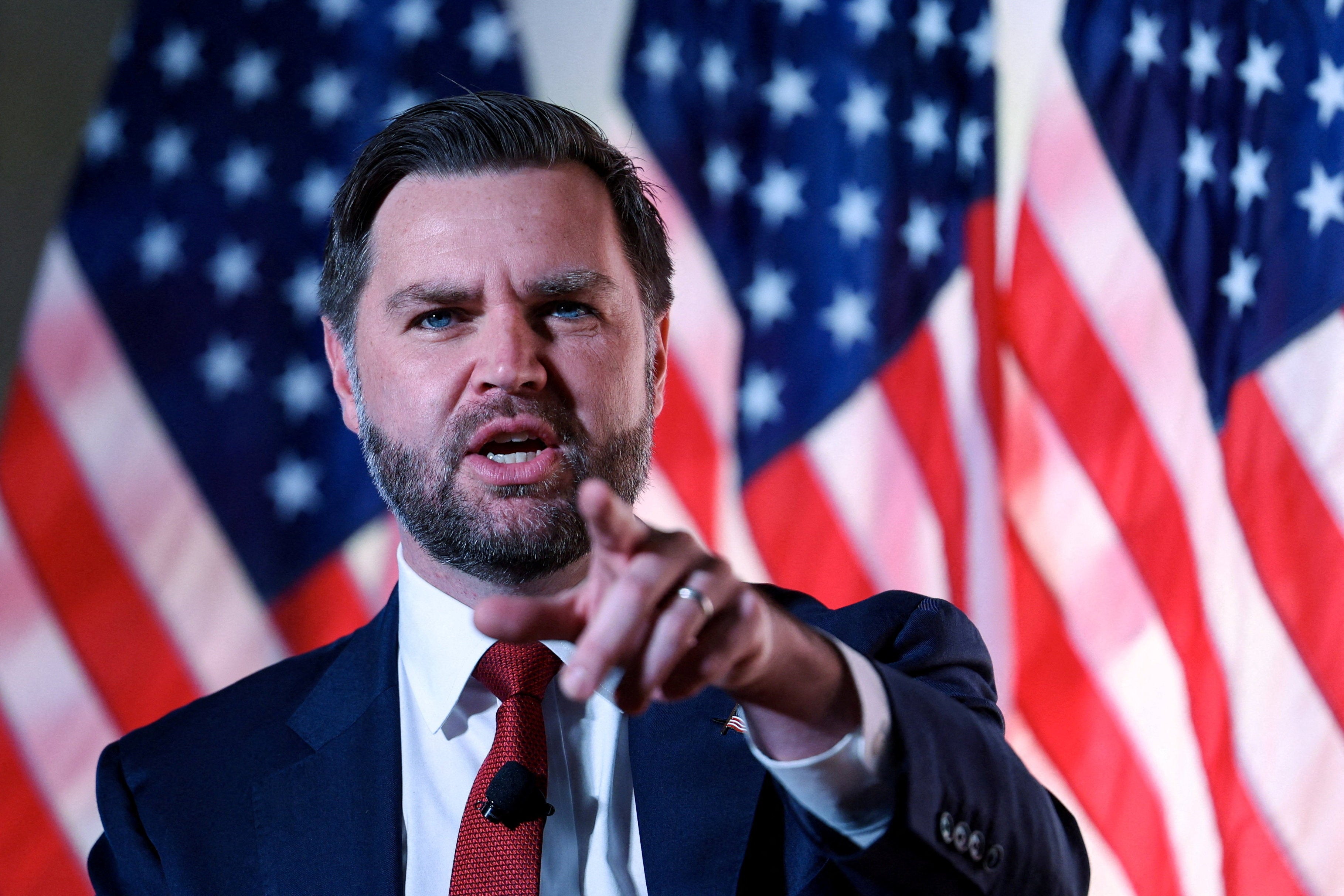
Investigators have revealed that J.D. Vance returned to the infamous Signal group chat, in which Pete Hegseth discussed confidential information about strikes on Yemen, after the attack.
The Department of Defense’s probe into the incident found that Vance messaged in the chat on March 25, at 2.30 am, a day after the news broke that Jeffrey Goldberg, editor-in-chief of The Atlantic, had been added to the text chain.
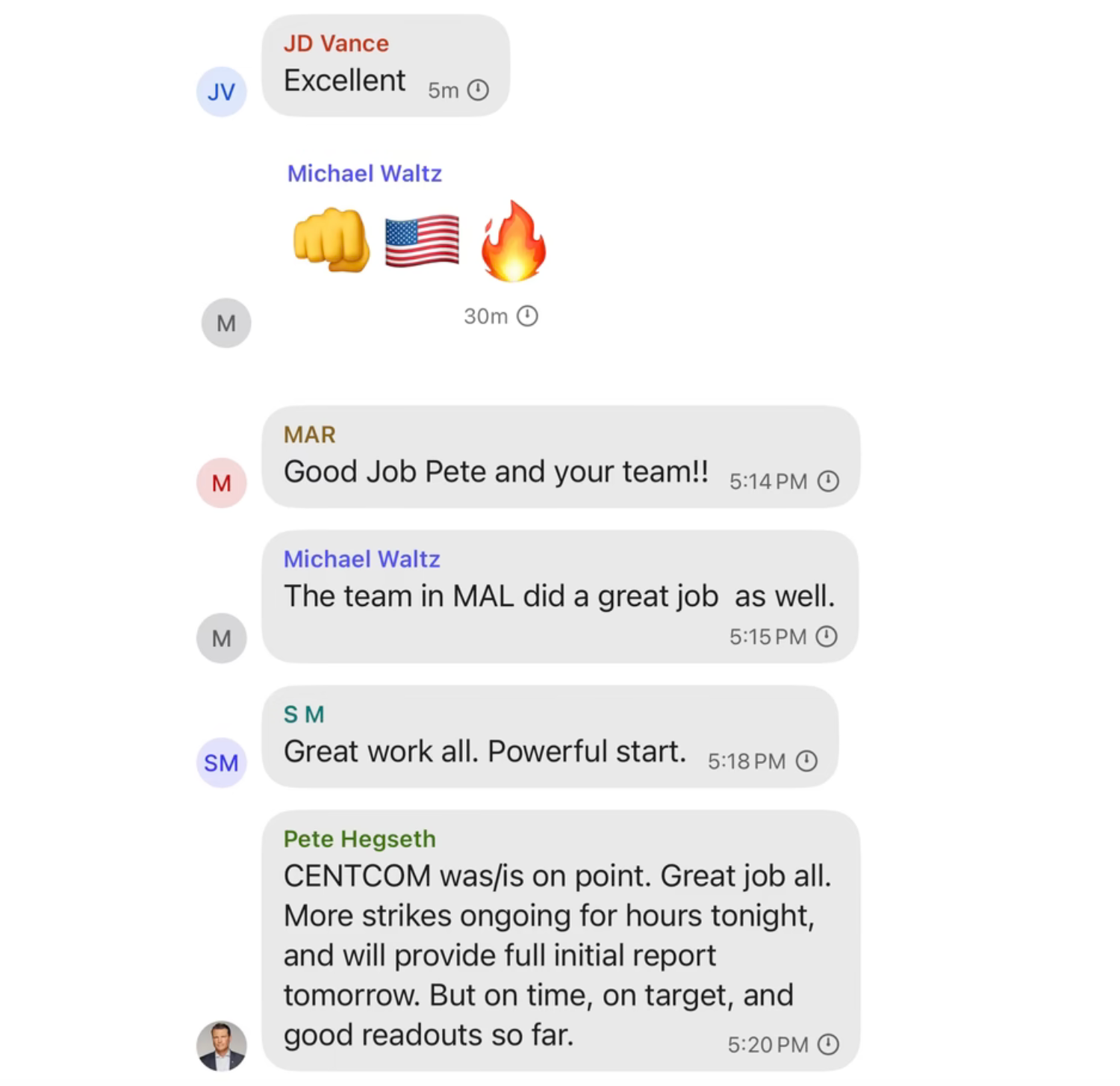
“This chat’s kind of dead. Anything going on?” Vance wrote despite the chat's security being compromised.
There was little activity in the chat following Vance's message, according to the DOD’s 84-page dossier into the Signalgate Scandal, with no one replying to the vice president.
After Vance sent the message, Treasury Secretary Scott Bessent triggered a setting that erased messages eight hours after they were sent. Also, a user named “MAR” changed their profile name to “MR.”
CIA Director John Ratcliffe also updated his profile name to “John.”
The report found that Hegseth had violated departmental policies by using that chat, and he endangered the lives of U.S. troops.
“Using a personal cell phone to conduct official business and send nonpublic DoD information through Signal risks potential compromise of sensitive DoD information, which could cause harm to DoD personnel and mission objectives,” the report read.
The DOD document stated that the Secretary of Defense received information about the impending strikes on Yemen from the head of U.S. Central Command at 9 pm on March 14. The email was marked “SECRET//NOFORN.”
Hegseth shared this information in the “Houthi PC Small Group” Signal chat at 11.44 pm on March 15, shortly before the strikes were set to take place.

Goldberg, who had been added to the chat by Michael Waltz, broke the story on March 24 but redacted any information that could put the lives of U.S. troops at risk.
Investigators into the Signalgate scandal wrote in the report that they were forced to rely heavily on the information given to Goldberg, since they had only a partial copy of the chat from the people who used it.
Hegseth has also denied the claim that the information discussed in the chat was ever classified.
"No classified information,” he wrote on X. “Total exoneration. Case closed. Houthis bombed into submission."
However, the report has emboldened Democrats who are pushing for Hegseth's firing over the botched handling of sensitive information.
"An objective, evidence-based investigation by the Pentagon's internal watchdog leaves no doubt: Secretary Hegseth endangered the lives of American pilots," Senator Mark Warner, the top Democrat on the Senate Intelligence Committee, said in a statement.
Warner also claimed that Hegseth’s disastrous management of the information reflected a “broader pattern of recklessness and poor judgment from a secretary who has repeatedly shown he is in over his head.”
Hegseth is currently battling claims that the DOD committed a war crime after it launched a “double tap” strike on an alleged Venezuelan drug boat.
The secretary of defense allegedly ordered officials to “kill everybody” onboard the vessel, leading the military to launch a second strike on the boat’s wreckage to kill the survivors.
Hegesth has claimed that the reports are “fake news” and argued that the strikes were “lawful under both US and international law.”
Join our commenting forum
Join thought-provoking conversations, follow other Independent readers and see their replies
Comments
Bookmark popover
Removed from bookmarks