Customs and Border Protection used anti-drone laser before the FAA closed El Paso airspace: reports
The sudden closure, which was quickly reversed, fueled fear and speculation online
The sudden shutdown of airspace in Texas earlier this week was due to a lack of communication over the use of an anti-drone laser by Customs and Border Protection during an apparent attempt to stop operations by Mexican drug cartels, according to reports.
The use of the laser, sanctioned by the Pentagon but not relayed to aviation authorities, resulted in the sudden closure of the airspace over El Paso, Texas, by the Federal Aviation Administration late Tuesday, according to The New York Times.
A Trump administration official told The Independent that Mexican cartel drones “breached” American airspace, though sources close to the matter told The NYT that what USCBP officials believed to be a drone turned out to be a party balloon.
Defense Department officials were reportedly present during the incident, the outlet reported. But the department later claimed the threat from “drones” was no longer present.
The Independent has contacted the Defense Department, the Department of Homeland Security and the FAA for clarity over the incident.
A source told The Associated Press the laser was deployed near Fort Bliss without coordinating with the FAA, which decided then to close the airspace to ensure commercial air safety.
Sources told CBS News that FAA Administrator Bryan Bedford did not consult the White House, Pentagon or Homeland Security officials over the decision.
The technology was used this week despite a meeting scheduled for later this month between the Pentagon and the FAA to discuss the issue, the sources added.
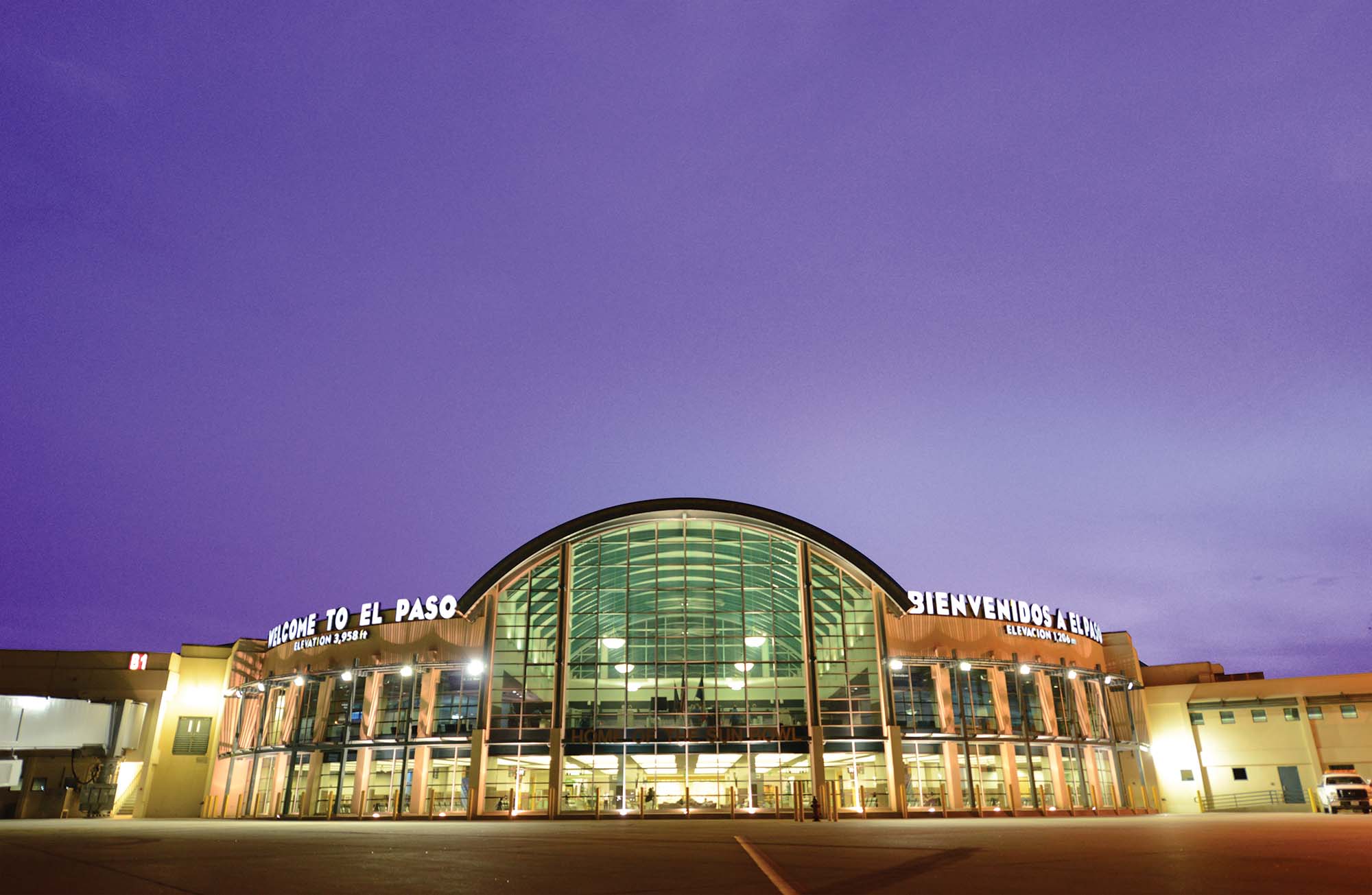
In its initial announcement online the FAA stated that all flight operations at the southwestern airport — located near the U.S.-Mexico border — would be prohibited for 10 days from February 11-21 due to “special security reasons.”
The ban spanned a radius of 10 nautical miles and it applied from the ground up to about 18,000 feet. “No pilots may operate an aircraft in the areas covered,” the FAA said, though it noted that Mexican airspace is excluded.
But the ban was lifted just hours later.
“The temporary closure of airspace over El Paso has been lifted,” the FAA said in a statement on Wednesday morning. “There is no threat to commercial aviation. All flights will resume as normal.”
In a travel advisory posted on Wednesday, the airport said that the ban impacts all flights, including “commercial, cargo and general aviation.” It noted that travelers should get into contact with airlines for the “most up-to-date flight status information.”
Reactions from officials
On Wednesday morning, Congresswoman Veronica Escobar, who represents El Paso, described the ban as unusual, and that she was still scrambling to get the facts.
“The highly consequential decision by FAA to shut down the El Paso Airport for 10 days is unprecedented and has resulted in significant concern within the community,” she wrote in a post on X on Wednesday morning.
“From what my office and I have been able to gather overnight and early this morning there is no immediate threat to the community or surrounding areas,” she said.
In a statement, City Representative Chris Canales said that there is no indication the area faces any “kind of imminent safety threat.” But he described the lack of advance notice as “especially troubling.”
“This is going to have a deep economic impact” on the region, “including in southern New Mexico,” New Mexico Rep. Gabe Vasquez said in a video posted on X on Wednesday morning.
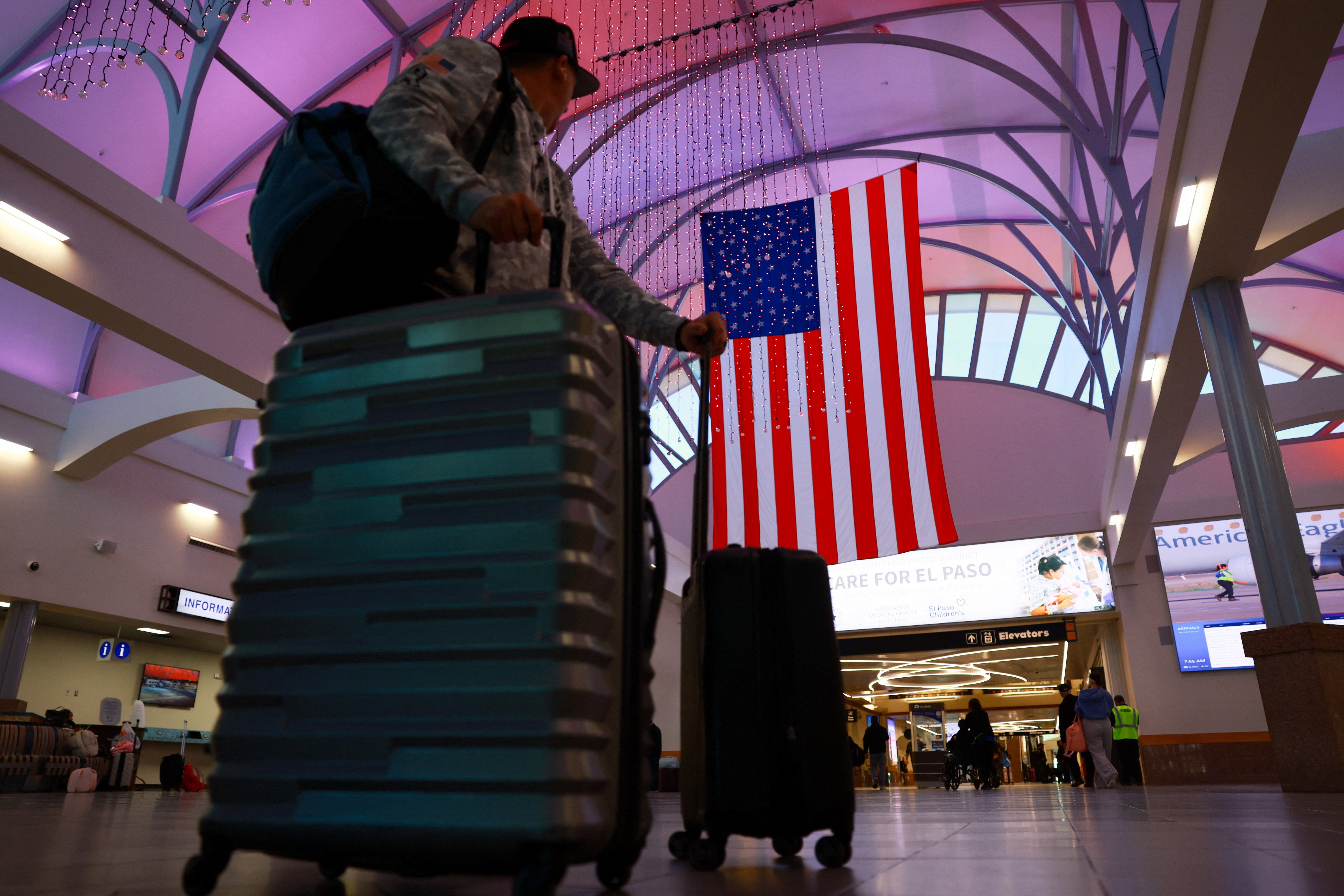
The medium-sized El Paso airport — which is the 73rd largest in the nation — services over three million people per year. Over 1,000 flights were scheduled during the next 10 days, according to Cirium, an aviation firm, indicating thousands of travelers could have been impacted.
At a news conference on Wednesday after the ban was lifted, El Paso Mayor Renard Johnson criticized the federal government’s actions.
“I want to be very, very clear that this should’ve never happened,”Johnson said. “You cannot restrict air space over a major city without coordinating with the city, the airport, the hospitals, the community leadership…That failure to communicate is unacceptable.”
The lack of a clear explanation for the sudden closure — and quick reversal — has fueled fear and speculation online.
“Shouldn't the citizens of El Paso know if they're in any danger?” one user wrote on X. “I would hate to think our government is causing unnecessary panic.”
“Folks. Pay attention. This is unprecedented,” Juliette Kayyem, a CNN national security analyst, wrote on social media. “El Paso airport is the ‘gateway to Mexico.’ He’s going after the cartels, I suspect.”
What travelers should do
According to the FAA, there are no federal requirements pertaining to canceled or delayed flights. Instead, each airline has its own policies.
“If an airline has made a commitment to provide a particular service or compensation, then the Department can hold the airline accountable,” the Department of Transportation’s website states.
It notes that stranded travelers can ask airline staff if they can compensate them for the cost of hotels or meals.
Following the El Paso airport closure, United Airlines issued a statement saying that travelers can exchange their tickets for new flights without paying a fee or fare difference. Southwest Airlines said it had “notified affected customers and will share additional information as it becomes available.”
Join our commenting forum
Join thought-provoking conversations, follow other Independent readers and see their replies
Comments
Bookmark popover
Removed from bookmarks