‘Sprint toward autocracy’: Trump’s first year in office has been a norm-busting, boundary-pushing power play
From gutting federal agencies to funding freezes for Democratic cities and states to sending the National Guard and ICE agents around the nation, Trump has shown himself to be the strongman many didn’t know they were electing president.
It’s not just the East Wing of the White House that President Donald Trump has demolished.
In his first year back in office, the president has trampled long-standing American institutions and norms that, for generations, had defined the federal government, at a breakneck pace that has left even seasoned Washington observers scrambling to keep up.
Since his inauguration one year ago, the 79-year-old president has unilaterally gutted agencies, targeted political foes, frozen federal funding, upended global trade, issued blanket pardons for January 6 rioters who stormed the Capitol in a bid to overturn the 2020 election, deployed the National Guard and swarms of ICE agents to the streets of U.S. cities and carried out military actions in multiple countries.
Viewed together, experts say, these moves reveal a consistent trend: an effort to consolidate and expand the president’s power.
Critics call it a blow to the constitutional system of checks and balances — with Norman Ornstein, a scholar at the American Enterprise Institute, telling The Independent that the past year has been “a sprint toward an autocracy.”
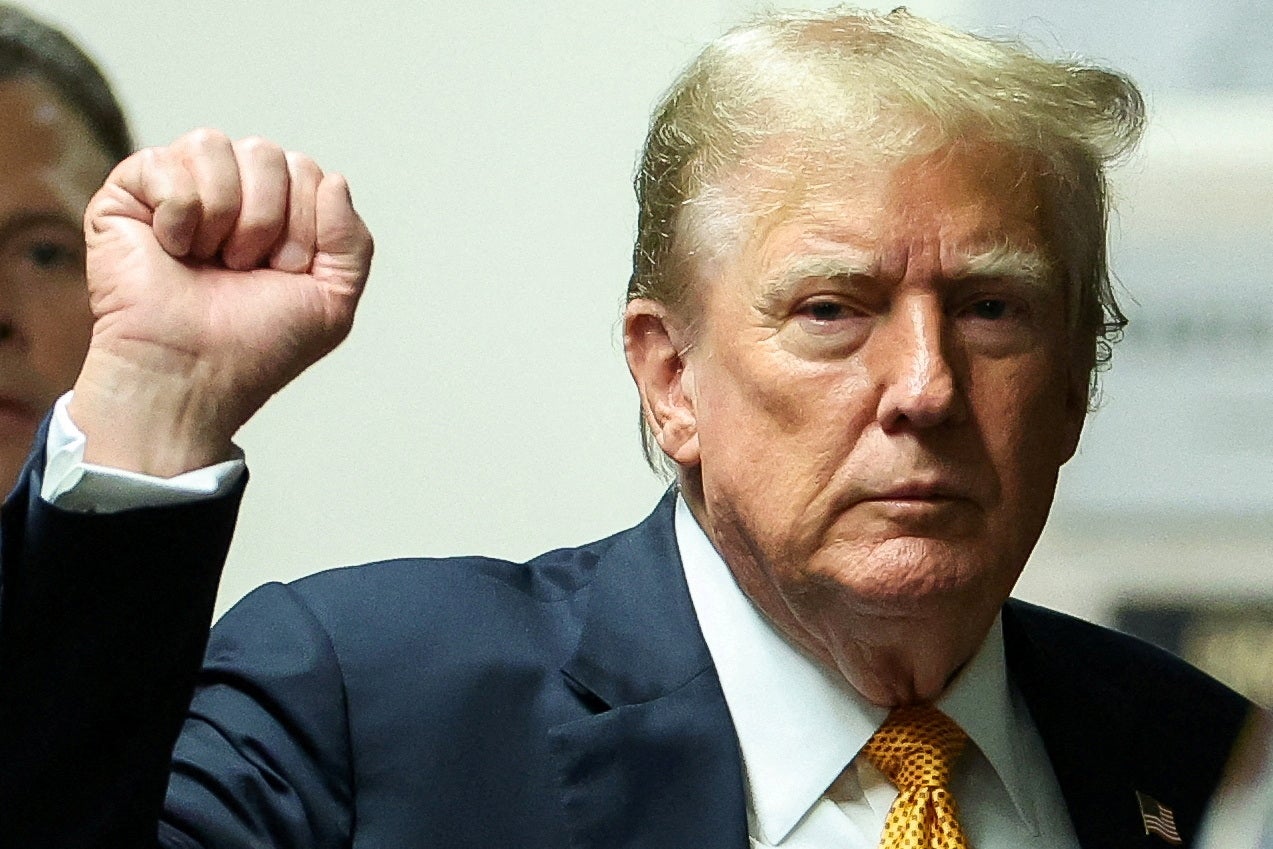
Supporters counter that the president is rightly reclaiming control from an entrenched class of unelected bureaucrats.
"Trump is going to go down in history as the most successful and consequential president in our lifetime,” White House Communications Director Steven Cheung responded when asked for comment from The Independent. “His successes on behalf of the American people will be imprinted upon the fabric of America and will be felt by every other White House that comes after him.”
Here’s a look back at some of Trump’s boundary-pushing actions.
Gutting agencies, freezing funding
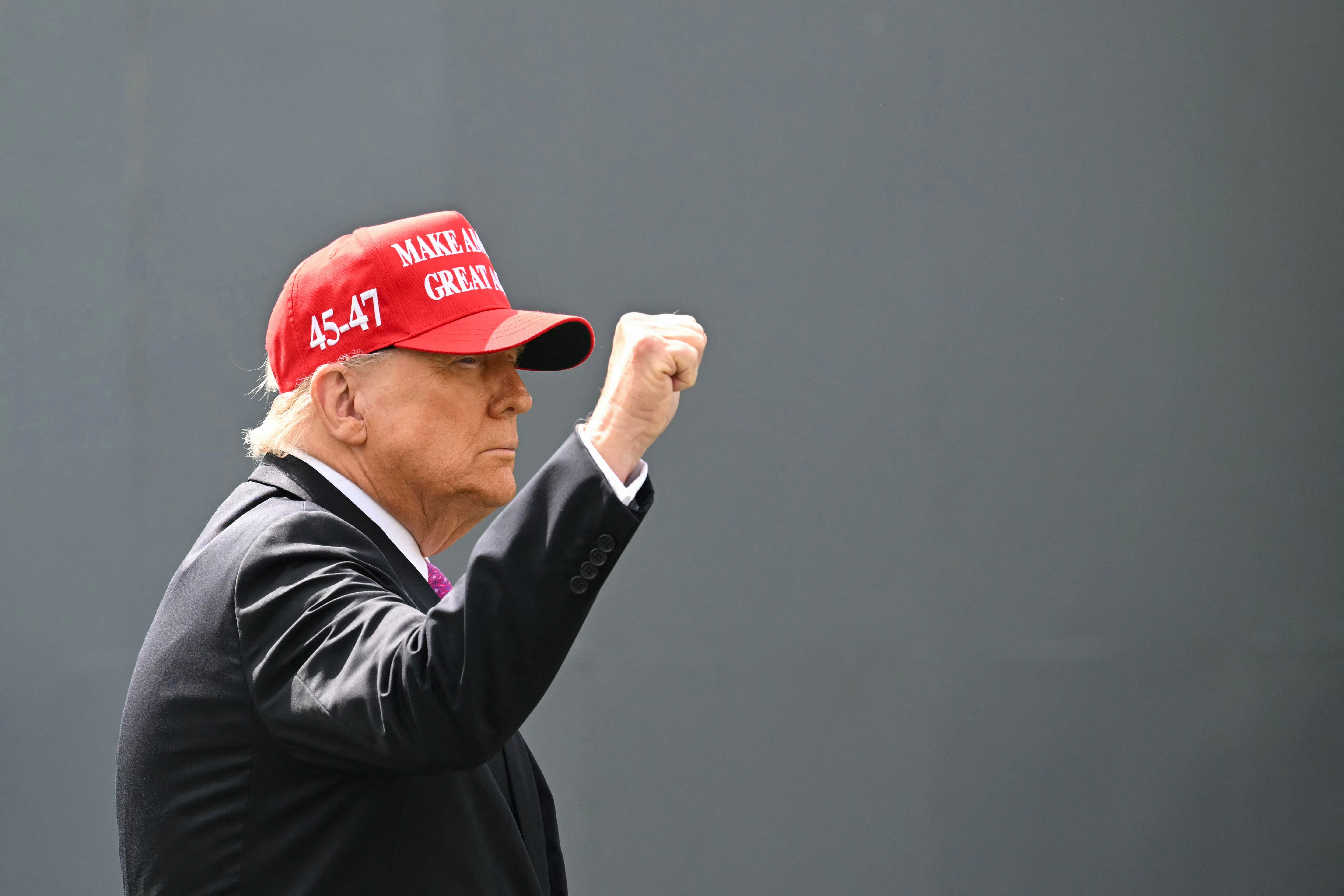
On the domestic front, the first signs of Trump’s expansive view of executive authority appeared soon after his inauguration, when he created the Department of Government Efficiency. The cost-cutting outfit empowered mega-donor Elon Musk — the world’s richest man — to eliminate entire agencies, including USAID, forcing nearly 300,000 workers out of the federal government.
Trump also froze billions in congressionally approved funds for universities, medical research, and foreign aid — much of it bound for Democratic-led states.
“The most central, unwavering power of Congress is the power of the purse. And Donald Trump has refused to spend money that was approved,” Larry Jacobs, director of the Center for the Study of Politics and Governance at the University of Minnesota, told The Independent.
Many argue Trump’s sweeping actions mark a sharp break from his first term, driven largely by personnel changes. During his first administration, he was surrounded by people “who worked to tame his wildest impulses,” Yale Law School professor Oona Hathaway told The Independent. “This time, he’s cast most of the establishment aside, filling the White House with loyalists.”
Flurry of executive orders and pardons
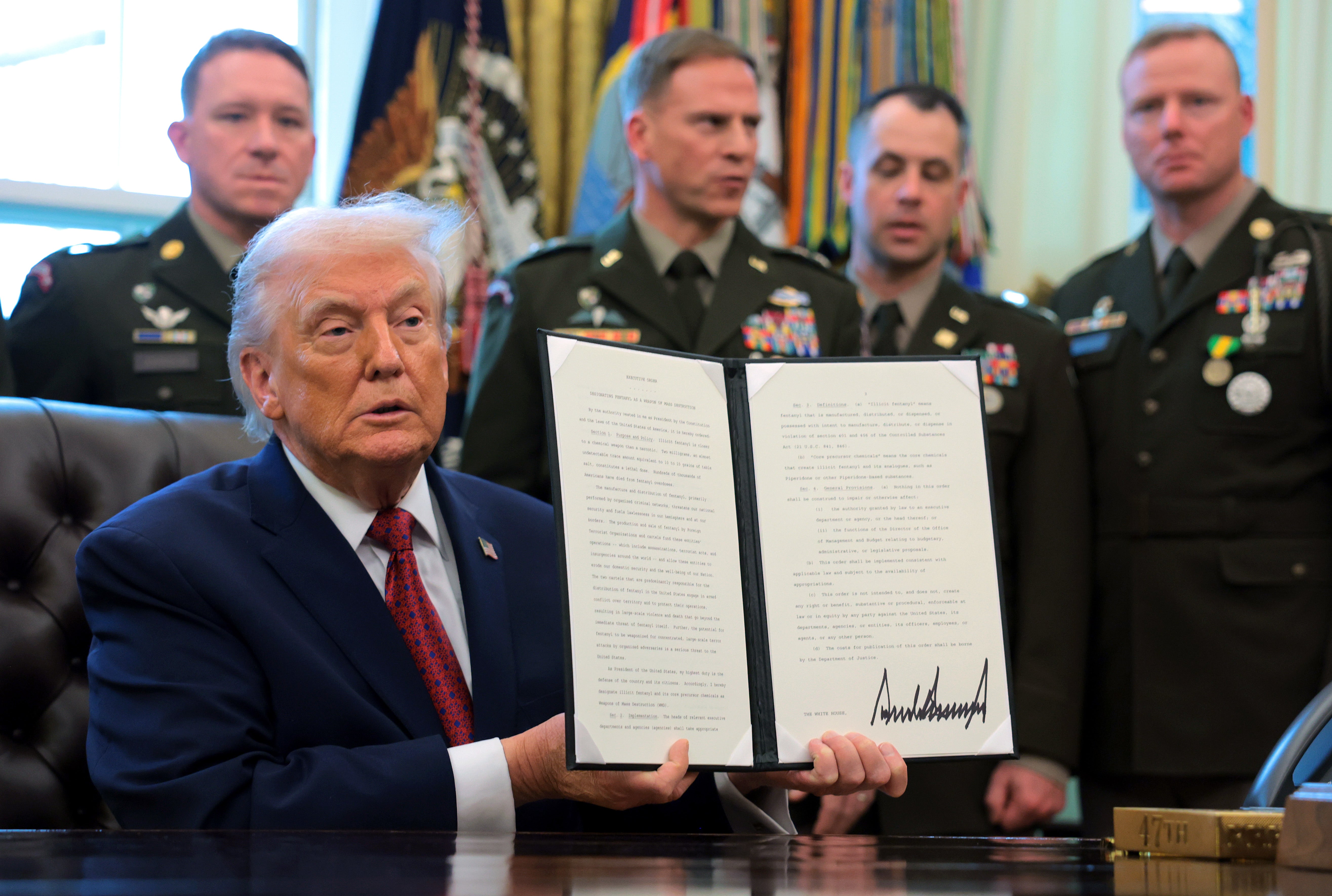
During his first 100 days, Trump issued a record-breaking 124 executive orders, several which were deemed unconstitutional by critics and courts, including one ending birthright citizenship and another requiring proof of citizenship for voter registration.
“These orders are extraordinary, not just in their number, but in their breadth,” Rory Little, a law professor at the University of California-San Francisco, said in April.
In his second term, Trump has also aggressively wielded his pardon power, granting clemency to thousands — including nearly all 1,600 people charged in the January 6 Capitol riot — as well as numerous figures convicted of fraud, bribery and tax evasion. Many of those granted reprieve are politically aligned with the president.
Weaponizing the Justice Department against his foes
In another notable break from presidential norms, Trump has publicly pressured the Department of Justice to investigate his political adversaries.
In September, he blasted Attorney General Pam Bondi over the lack of charges against “guilty as hell” ex-FBI Director James Comey, New York Attorney General Letitia James and Sen. Adam Schiff. “JUSTICE MUST BE SERVED,” he wrote on Truth Social. Soon after, both Comey and James were indicted on charges of making false statements and other offenses by federal grand juries.
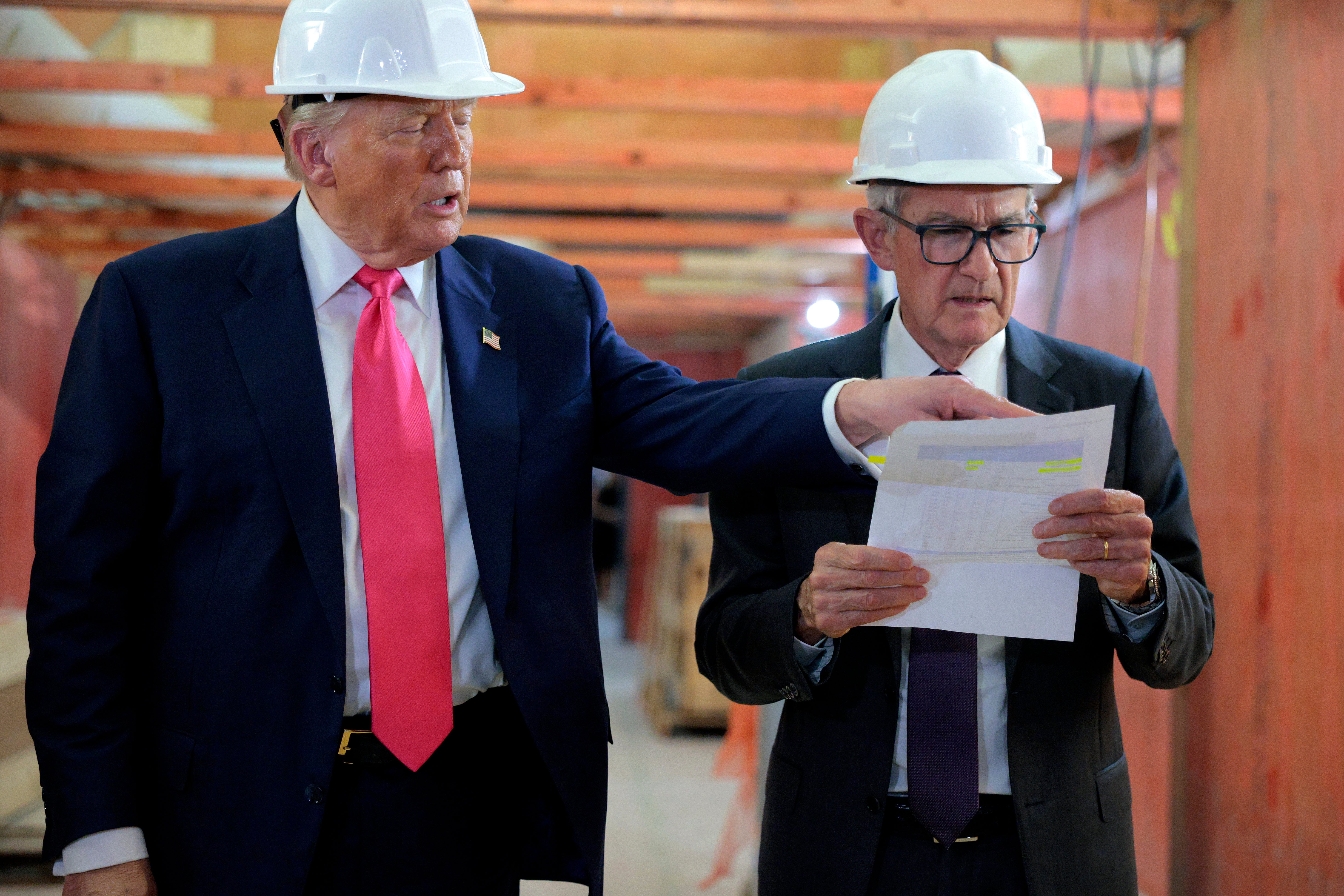
Earlier this month, the Justice Department also opened a criminal investigation into Federal Reserve Chairman Jerome Powell — a frequent target of Trump’s ire. “That jerk will be gone soon,” Trump said after the probe was announced.
John Bolton, who served as Trump’s national security advisor during his first term, cited these as examples of the weaponization of the Justice Department. Bolton, who was indicted in October on charges of mishandling classified documents, told The Independent: “Earlier administrations have done it, that’s for sure, but you don’t cure the problem by expanding the use of it.”
Deploying National Guard, large-scale immigration raids
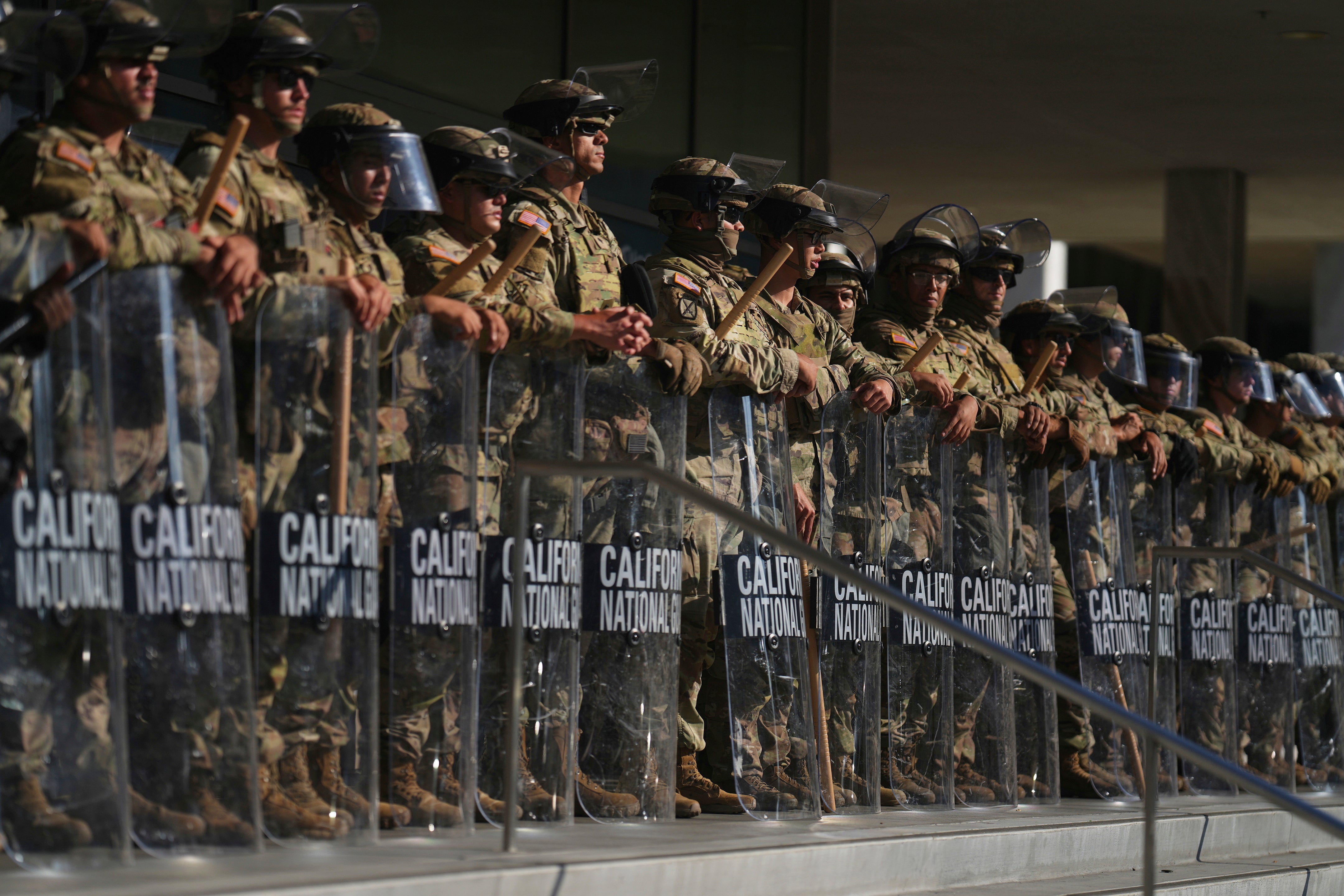
Last year, the 79-year-old president deployed the National Guard to multiple U.S. cities as part of a bid to crack down on crime. These actions, often done without the support of state or local officials, have scant historical precedent, according to The New York Times.
He’s also significantly ramped up ICE operations, particularly in blue states. On Thursday, he threatened to invoke the Insurrection Act — an emergency power not used for more than 30 years — to deploy the military in Minnesota, following anti-ICE protests there.
Summing up this cascade of boundary-pushing actions, Jacobs said: “The imperial presidency has moved decisively and fully into the realm of domestic policy.”
To his supporters, though, Trump’s centralization of power is a feature, not a bug. Russ Vought, the director of the Office of Management and Budget, has argued that liberals “radically perverted” the structure of government by empowering unelected “career experts” in federal agencies. His remedy: concentrating more power in the executive, as outlined by the unitary executive theory.
Bolton, an advocate of greater executive power, said he believes many of Trump’s actions have been “legitimate.” But he noted: “The effort to extend power over regular, everyday life, like through what he’s doing with ICE and so on is something very different.”
Meanwhile, Yuval Levin, a senior fellow at AEI, struck a more contrarian note, tellingThe New York Times that while the administration has shown “a lot of action,” it has produced little “durable policy change.”
Hinting at an unconstitutional third term
Though not an official action, Trump has repeatedly hinted at pursuing a third term in office — something explicitly barred by the Constitution.
“A lot of people want me to do it,” the president said in March, while in December, he said one of his donors offered him $250 million to mount a run in 2028.
And, in a January interview, while boasting of his accomplishments, Trump said, “When you think of it, we shouldn't even have an election.” The White House said he was joking.

Foreign conflicts
Some observers say Trump has also pushed the limits of presidential power in foreign policy.
Presidents have historically exercised broad latitude abroad, often going unchecked by Congress when entering conflicts. Recent commanders-in-chief, for example, have launched attacks without a formal war declaration or even an authorization for the use of military force (AUMF).
Trump officials have cited that precedent, with one senior White House aide noting that former President Barack Obama carried out hundreds of deadly drone strikes without offering legal justification to Congress.
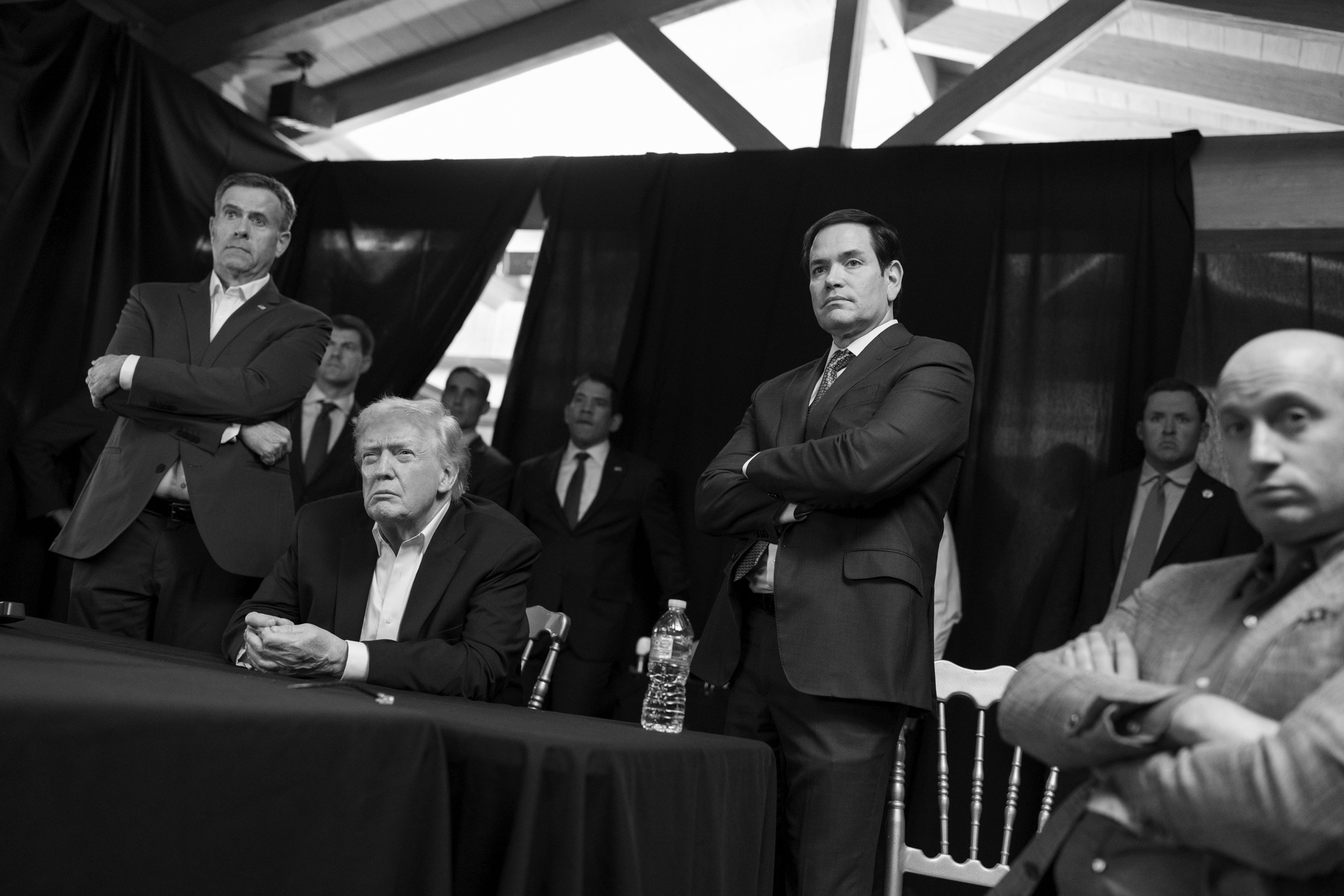
Yet Trump has “gone further,” former GOP congresswoman Barbara Comstock told The Independent. “For example, in Venezuela, he didn't notify the gang of eight” — a group of lawmakers traditionally briefed before military operations.
Beyond the raid in Venezuela, which led to the capture of ousted leader Nicolás Maduro, Trump has authorized military actions in Iran, Yemen, Syria, and Nigeria. His administration has conducted multiple lethal airstrikes on suspected drug boats in the Caribbean, which critics call illegal, while making unprecedented threats to annex allies like Greenland and Canada.
Bolton, a supporter of U.S. intervention in Iran, said Trump’s military endeavors have not been markedly different from those of his predecessors, though he noted that “Greenland might be a different story.”
“The problem with Trump is, so much is bluster and braggadocio,” he said.
Many critics, though, have sounded the alarm over Trump’s frequent threats and unilateral military actions, warning that he’s steering a conflict-weary nation toward more forever wars and imperiling longstanding alliances.
Sweeping tariffs
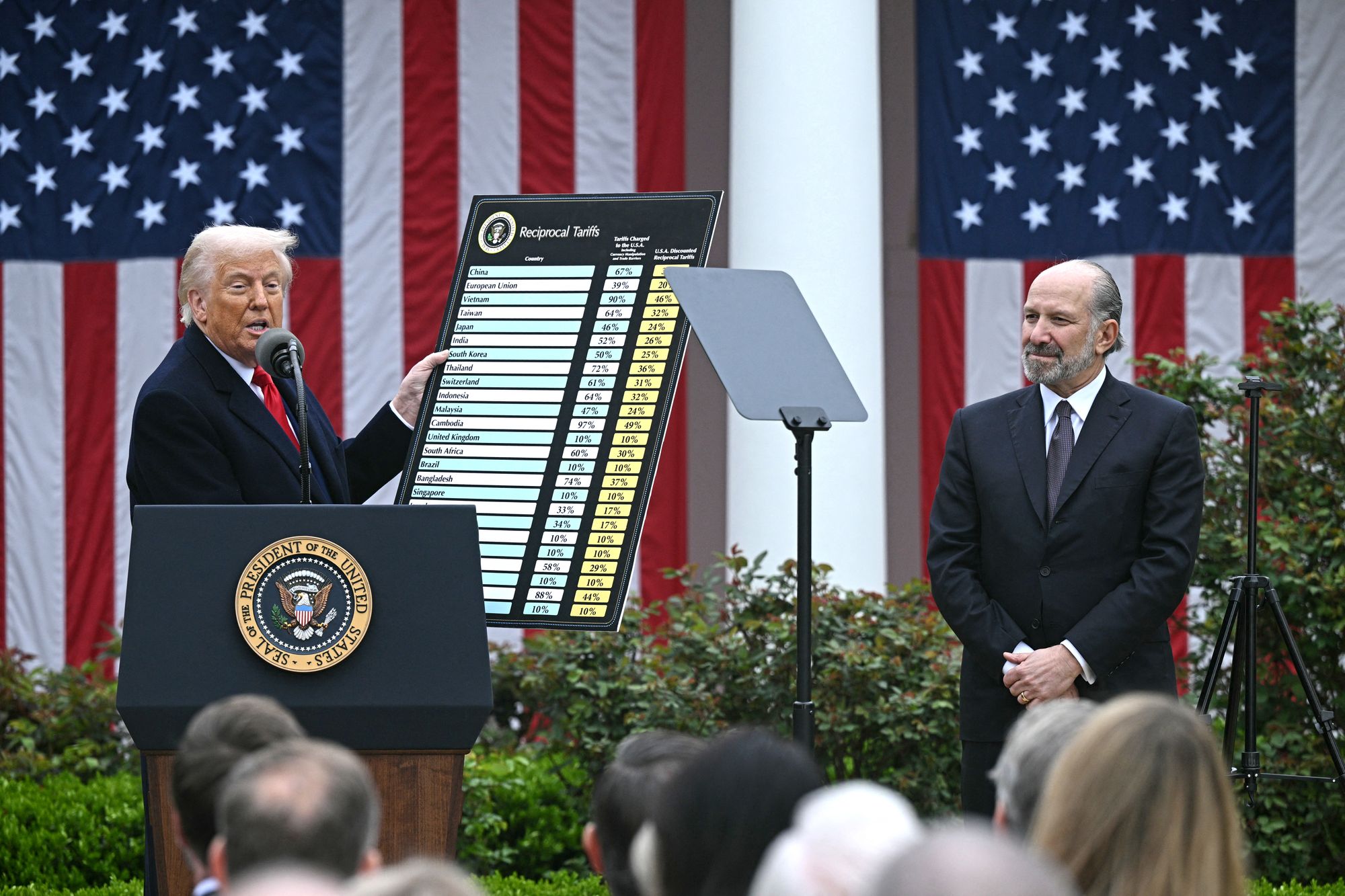
One of Trump’s most extraordinary foreign policy moves came when he imposed “reciprocal” tariffs on dozens of nations and set a baseline 10 percent rate on all imports. Since introducing the tariffs in April, he has repeatedly paused, reversed and reinstated them.
The imposition of these wide-ranging levies marks a significant departure from the post-World War II era, where tariffs were typically targeted at specific industries or countries rather than applied broadly across all imports.
“He has failed even to try to win congressional approval for many of his important acts — such as increasing tariffs — that have nearly always required that approval,” Michael Kazin, a Georgetown University historian, told The Independent.
Trump himself has made clear that he sees no external constraints on his power on the world stage. When asked by The New York Times this month what restraints he faces, he replied, “My own morality. My own mind. It’s the only thing that can stop me.”
The public appears wary of the president’s bold agenda, with 54 percent of respondents in a recent Quinnipiac survey saying that Trump has exceeded his authority.
Muted response from Congress and Supreme Court
So far, these dramatic measures have been weakly opposed, if not outright endorsed, by the Republican-controlled Congress — the branch of government intended by the nation’s founders to hold the most sway.
“The Republican Congress has held no oversight hearings on any of the outrages that have taken place, and that includes the threats to invade our NATO allies, the clear war crimes taking place with the attacks on Venezuela or the abuses of ICE,” Ornstein said.
“He has, by and large, a Congress of enablers,” Comstock said. “You have this fear that the Republican Congress has, particularly the House, of their MAGA base.”
As examples of congressional inaction, experts pointed to several failed war powers resolutions, which attempted to reign in the president on Venezuela and Iran.
But, many indicated a change could come after the midterm elections, which historically have resulted in the president’s party losing seats in Congress.
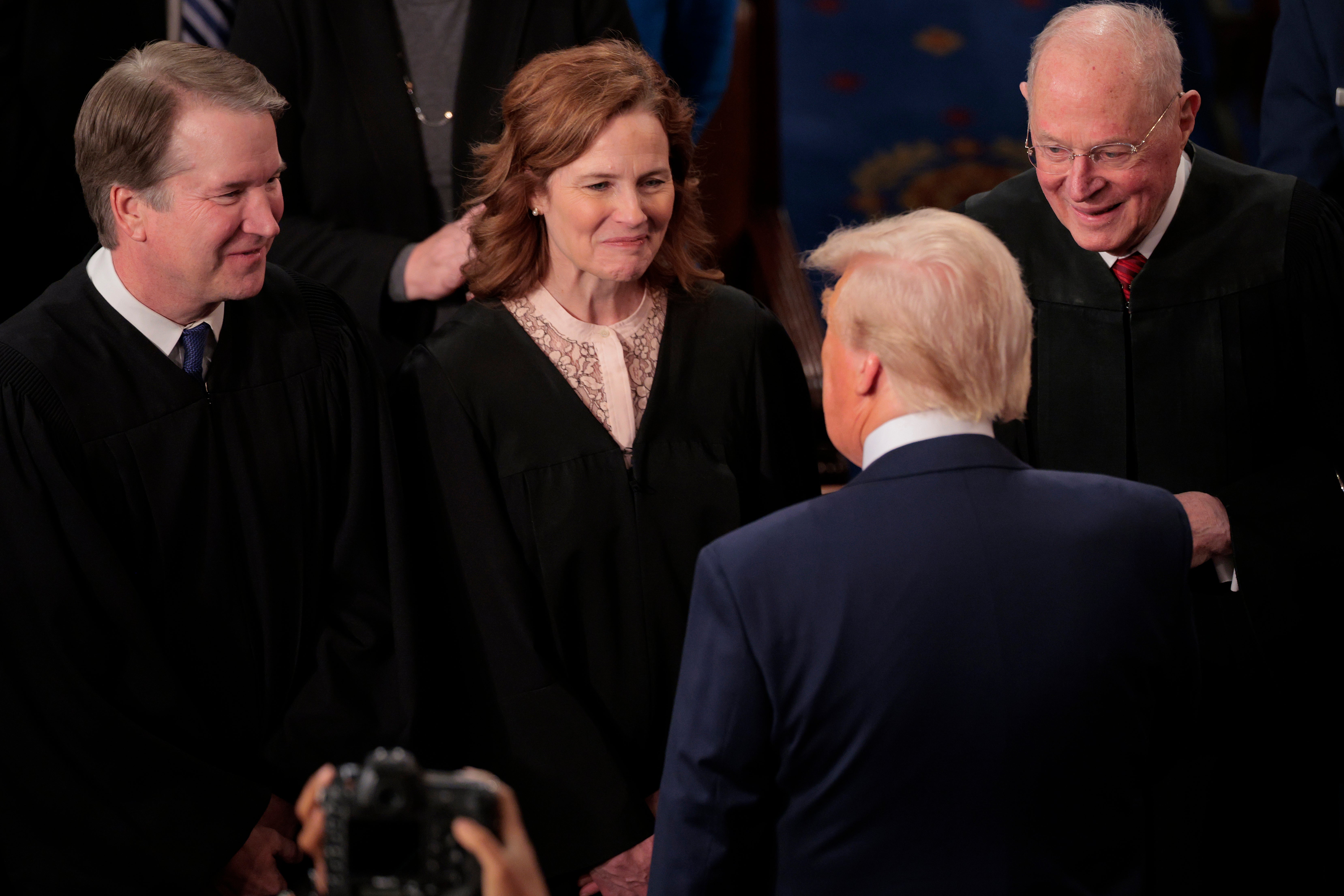
The Supreme Court has also moved cautiously amid Trump's flurry of high-profile actions. In multiple instances, it has ruled in the administration's favor, such as permitting a temporary freeze on foreign aid.
“The Supreme Court basically gave him a free pass,” Ornstein said.
Bolton noted that the judicial process has always been slow-moving, saying, “The courts are still way behind Trump, but inexorably, they start to catch up.”
In the coming months, a series of high-profile decisions are expected to be made by the high court, including on Trump’s tariff powers and his executive order on birthright citizenship.
But, given the uncertainty surrounding these rulings and the outcome of the midterms, whether the court and the Congress will impose meaningful constraints on the president remains unclear. There are still three years left after all.
Join our commenting forum
Join thought-provoking conversations, follow other Independent readers and see their replies
Comments
Bookmark popover
Removed from bookmarks