Fault line on Canadian border thought dormant for years could cause major earthquake, new study shows
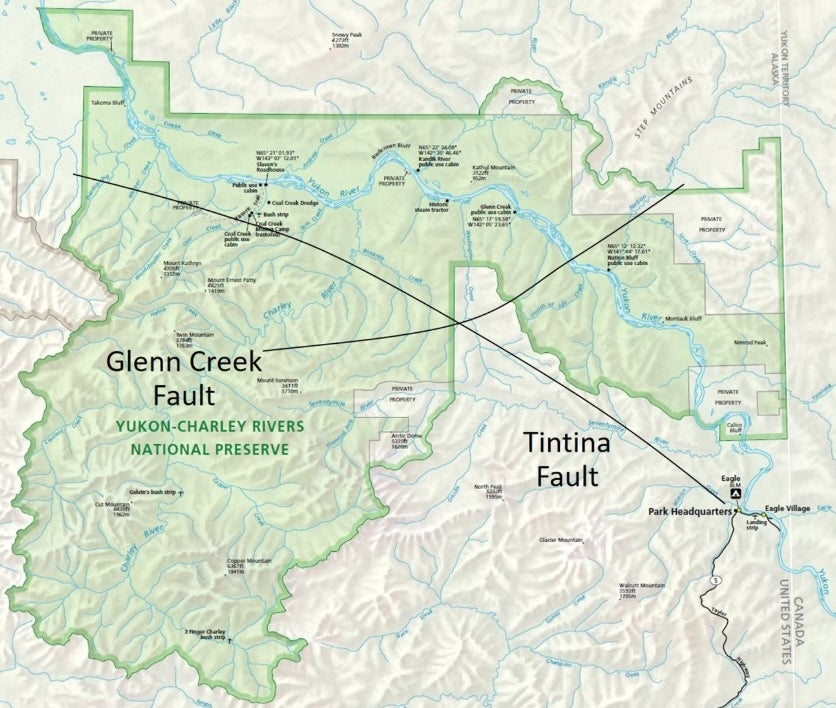
The new study reveals more recent activity along the Tintina fault, which stretches about 600 miles, from northeastern British Columbia into Alaska
A fault line on the Canadian border, thought to be dormant for tens of millions of years, could cause a major earthquake, a new study has revealed.
The Tintina fault stretches about 600 miles from northeastern British Columbia into Alaska. It was previously thought to have last been active around 40 million years ago.
But a study published in Geophysical Research Letters earlier this month found signs of more recent activity.
New topographic data collected from satellites, airplanes and drones showed about an 80-mile-long segment of the fault where 2.6 million-year-old and 132,000-year-old geological formations are laterally shifted across the fault.
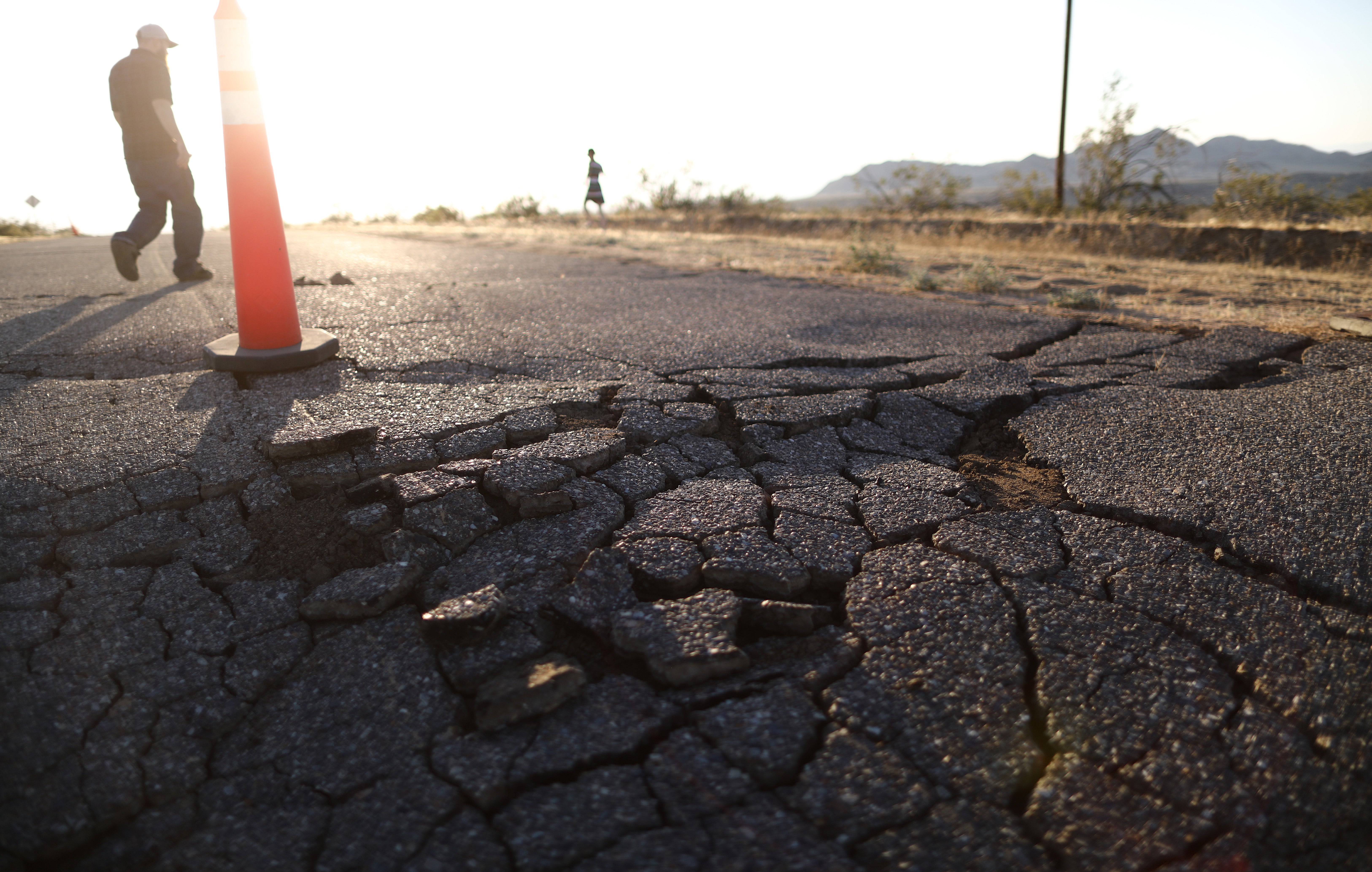


“We further show that the fault has not ruptured in a major earthquake for at least 12 thousand years, and could generate an earthquake of at least magnitude 7.5 in the future,” the study read. “The Tintina fault therefore represents an important, previously unrecognized, seismic hazard to the region.”
An earthquake with a 7 to 7.9 magnitude is considered major and can create serious damage, according to Michigan Tech. These types of earthquakes are fairly rare, with only 10 to 15 estimated to occur each year.
Michigan Tech warns earthquakes with a magnitude of 8 or greater, which typically occur only once every year or two, can destroy communities near the epicenter.
“Based on the data, we think that the fault may be at a relatively late stage of a seismic cycle, having accrued a slip deficit, or build-up of strain, of six meters in the last 12,000 years,” Theron Finley, a recent University of Victoria phD graduate and lead author of the new study, explained in SciTechDaily. “If this were to be released, it would cause a significant earthquake.”
The Daily Mail reported, citing seismologists, there are fears the fault line could send tremors into British Columbia, Alberta and Montana.
Dr. Michael West, state seismologist at the Alaska Earthquake Center, told the Mail, “It is one of the least studied fault systems in North America, and that needs to change.”
Join our commenting forum
Join thought-provoking conversations, follow other Independent readers and see their replies
Comments
Bookmark popover
Removed from bookmarks