Judge orders Tesla to pay $243 million over fatal Autopilot crash
Tesla claimed the driver deserved sole blame for the crash and his Model S wasn't defective
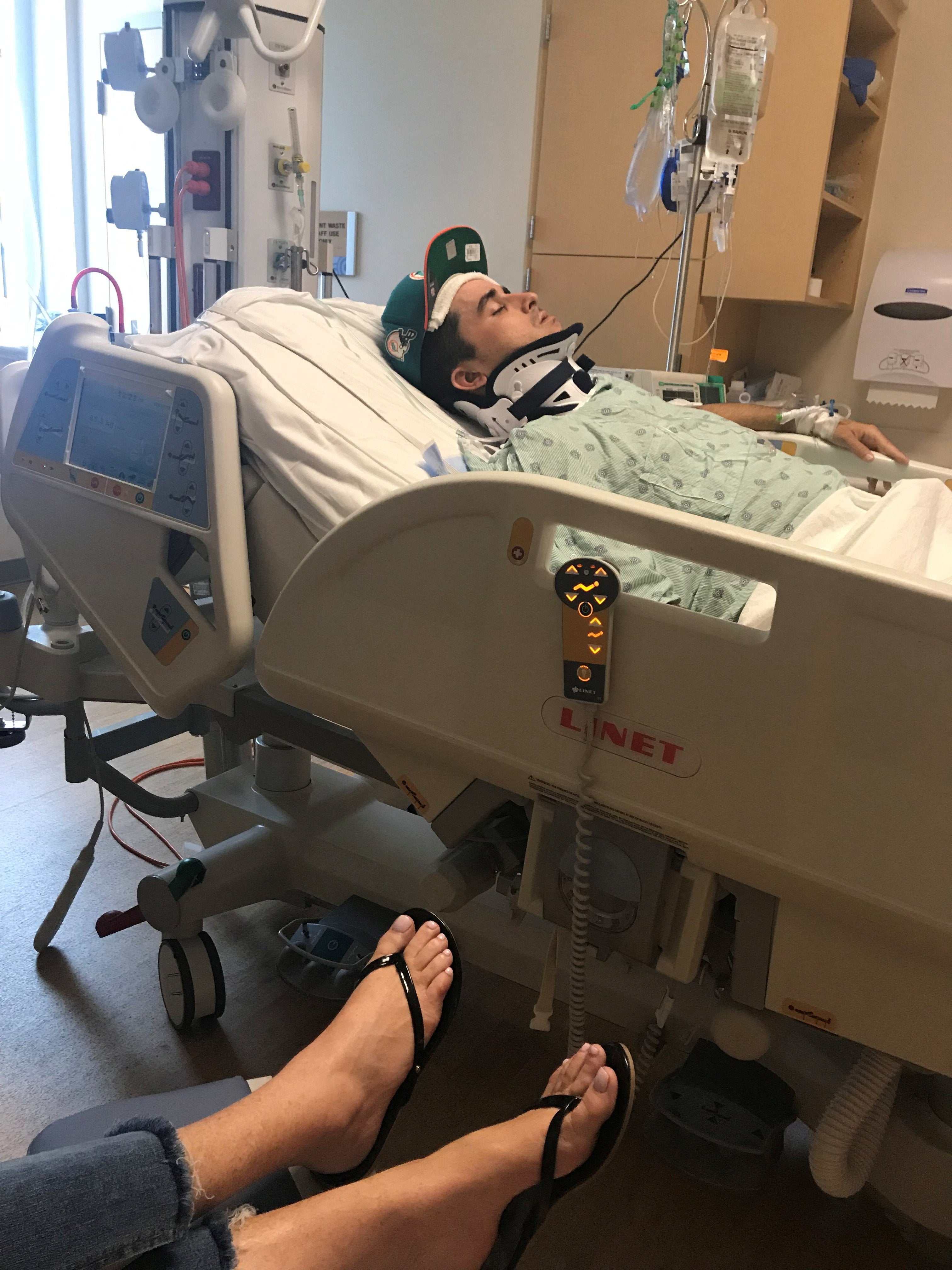
A US federal judge has rejected Tesla's bid to overturn a $243 million jury verdict, following a fatal 2019 crash involving an Autopilot-equipped Model S that killed a 22-year-old woman and severely injured her boyfriend.
U.S. District Judge Beth Bloom in Miami, in a decision made public on Friday, said the evidence at trial "more than supported" the August 2025 verdict. She found Tesla, led by Elon Musk, offered no new arguments to set the verdict aside.
The company is expected to appeal; its lawyers have not commented.
The case originated from an incident on 25 April, 2019, in Key Largo, Florida. George McGee, driving a 2019 Model S at about 62 mph (100 kph), reportedly looking for his dropped phone, crashed into an SUV.
Naibel Benavides Leon and Dillon Angulo stood beside their parked vehicle on a shoulder.
Jurors found Tesla 33 per cent responsible. They awarded compensatory damages of $19.5 million to Benavides' estate and $23.1 million to Angulo, plus $200 million of punitive damages to be split between them.
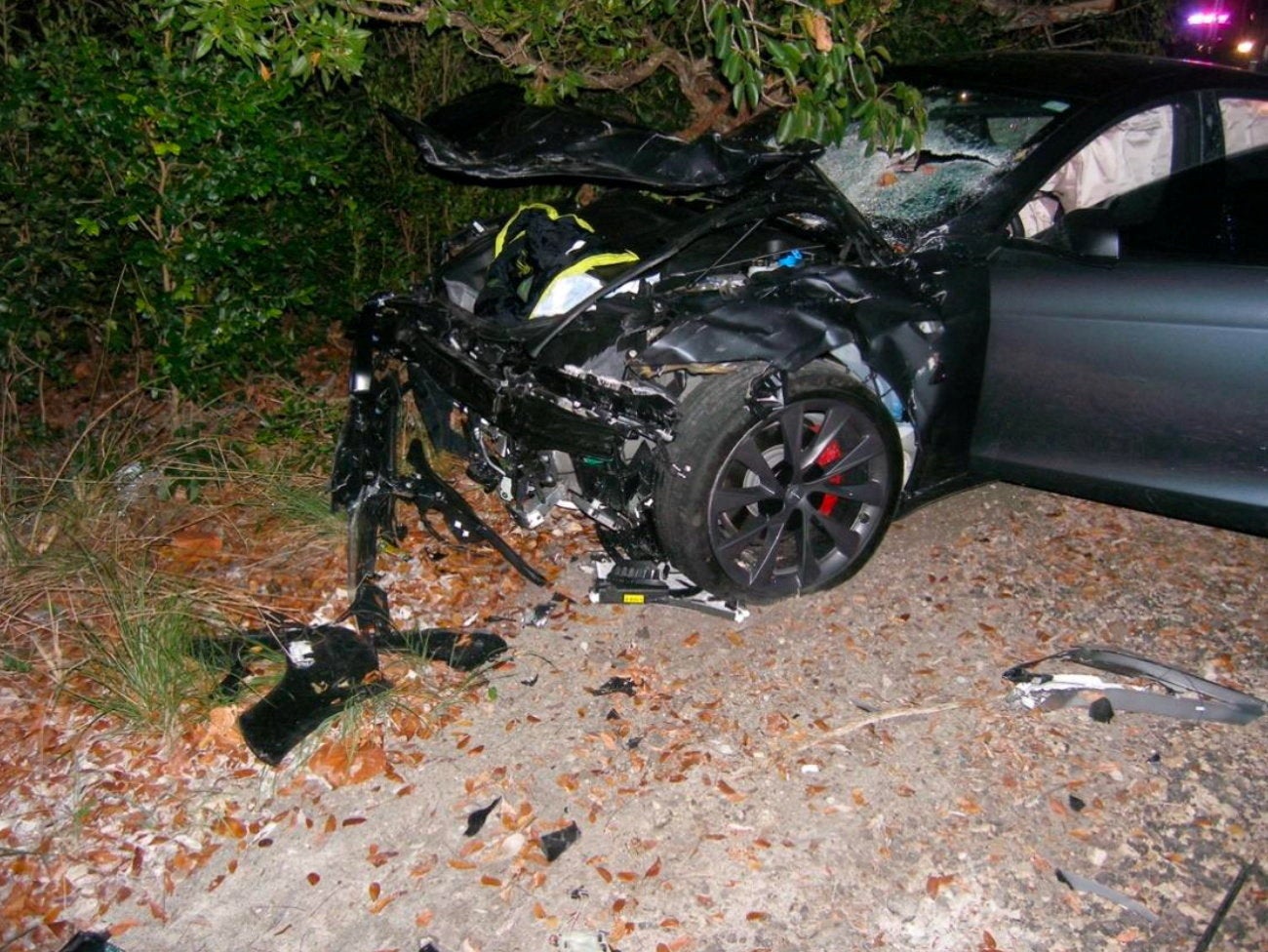
McGee previously settled with the plaintiffs.
The verdict was the first from a federal jury concerning a fatal accident involving Autopilot.
In seeking a reversal, Tesla said McGee deserved sole blame for the crash, his Model S wasn't defective, and the verdict defied common sense.
Tesla said automakers "do not insure the world against harms caused by reckless drivers," and punitive damages should be zero because it did not exhibit "reckless disregard for human life" under Florida law.
Lawyers for the plaintiffs also did not immediately respond to requests for comment.
Tesla has faced many similar lawsuits over its vehicles' self-driving capabilities, but they have been resolved or dismissed without going to trial.
Musk, the world's richest person, has long touted Tesla as a leader in autonomous driving for private vehicles and robotaxis.
A judgement against Tesla could be especially damaging as the company works to convince the public its self-driving technology is safe during a planned rollout of hundreds of thousands of Tesla robotaxis on U.S. roads by the end of 2026.
Join our commenting forum
Join thought-provoking conversations, follow other Independent readers and see their replies
Comments
Bookmark popover
Removed from bookmarks