Former Sony CEO at the heart of the devastating cyberhack explains what happened behind the scenes
‘Just for a moment, I wanted to join the badass gang that made subversive movies,’ former Sony Entertainment CEO Michael Lynton writes in his upcoming book
The former CEO of Sony has revealed some behind-the-scenes details of the infamous 2014 North Korean hack that derailed work at the studio and compromised the personal and private data of its staff.
An excerpt from former Sony CEO Michael Lynton's new book, From Mistakes to Meaning: Owning Your Past So It Doesn’t Own You, appeared in the Wall Street Journal this week. The excerpt provides a glimpse not only into the fallout from the hack but also into Lynton's method of processing the blunder.
On November 24, 2014, Lynton said he was called and warned by another executive that something had gone wrong with the studio's IT. When he arrived at work, he learned just how severe the problem was; some 70 percent of Sony's servers were damaged beyond repair.
"Sony could not make, edit or release movies, use its email or access its financial records or production systems," Lynton wrote. "Over the next few days and weeks the situation only worsened as the hackers released stolen emails that revealed terrible judgment, confidential scripts and personal information—including my family’s."
It would later be discovered that North Korea was behind the hack, and Lynton believes that his desire to be accepted in Hollywood ultimately led him to make a decision that courted the ire of the hostile foreign nation.
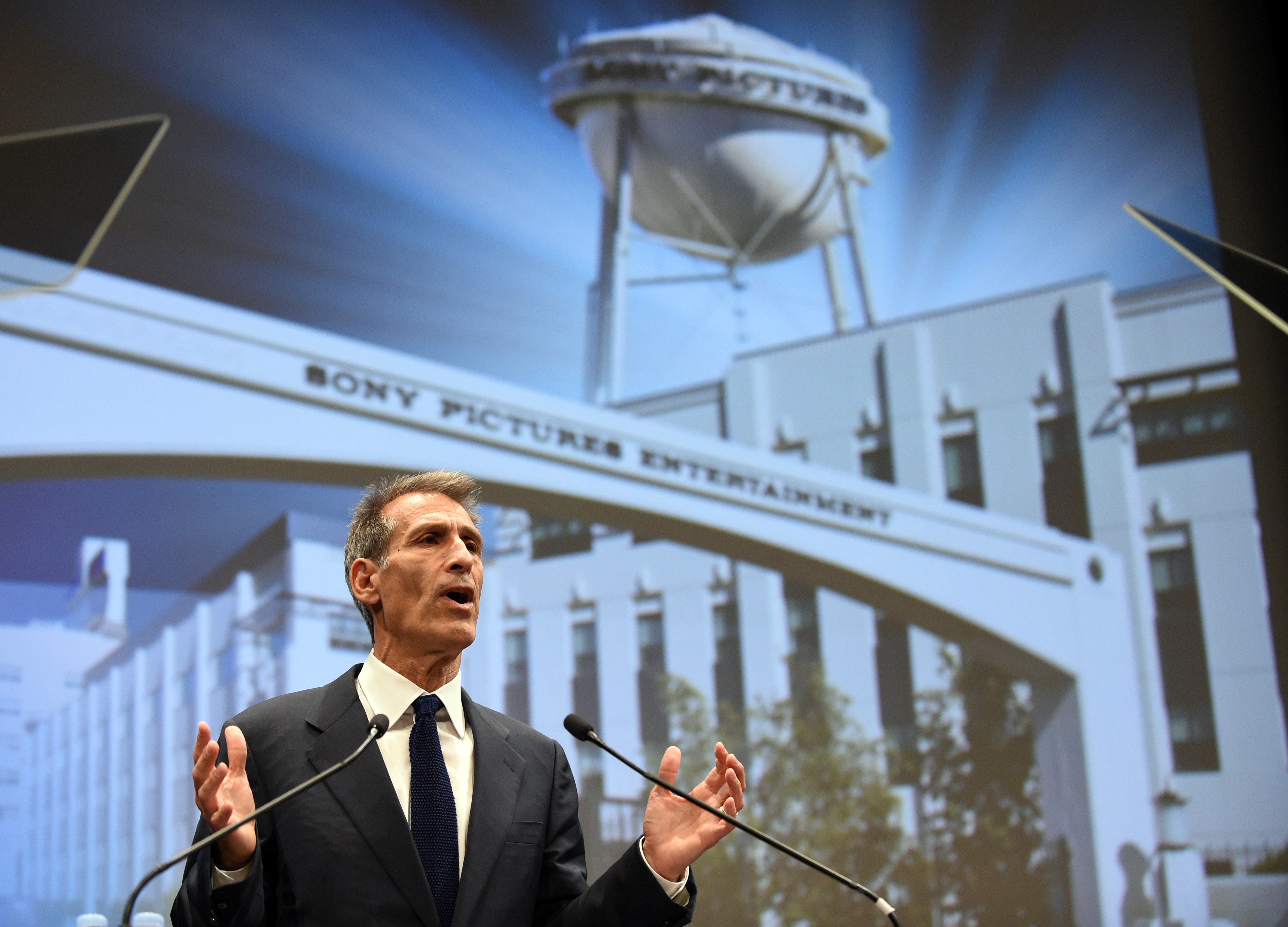
Lynton—at the time the chief executive of one of the largest media companies on the planet—paints himself in the piece as the product of a nerdy, somewhat lonely childhood exacerbated by the fact that his parents moved the family to Holland when he was nine. He didn't know the language and didn't have much of a social life.
In his book, Lynton suggests that in 2014 he was still orbiting—but never finding acceptance from—the "cool kids," who in this chapter of his life were now famous actors and veteran Hollywood execs.
"Perhaps that’s what left me so vulnerable and explains why, when I found myself deciding on a Seth Rogen project, I made the biggest mistake of my career," he writes.
When it came time to make "The Interview"—the Seth Rogen and James Franco comedy involving journalists who hatch a screwball plot to assassinate the leader of North Korea—Lynton said Rogen projects were sought after and that a 20-year rivalry between his co-chair, Amy Pascal, and Stacey Snider, the chairwoman at Universal Studios, meant Rogen always managed to find someone to take his ideas, no matter how offensive.
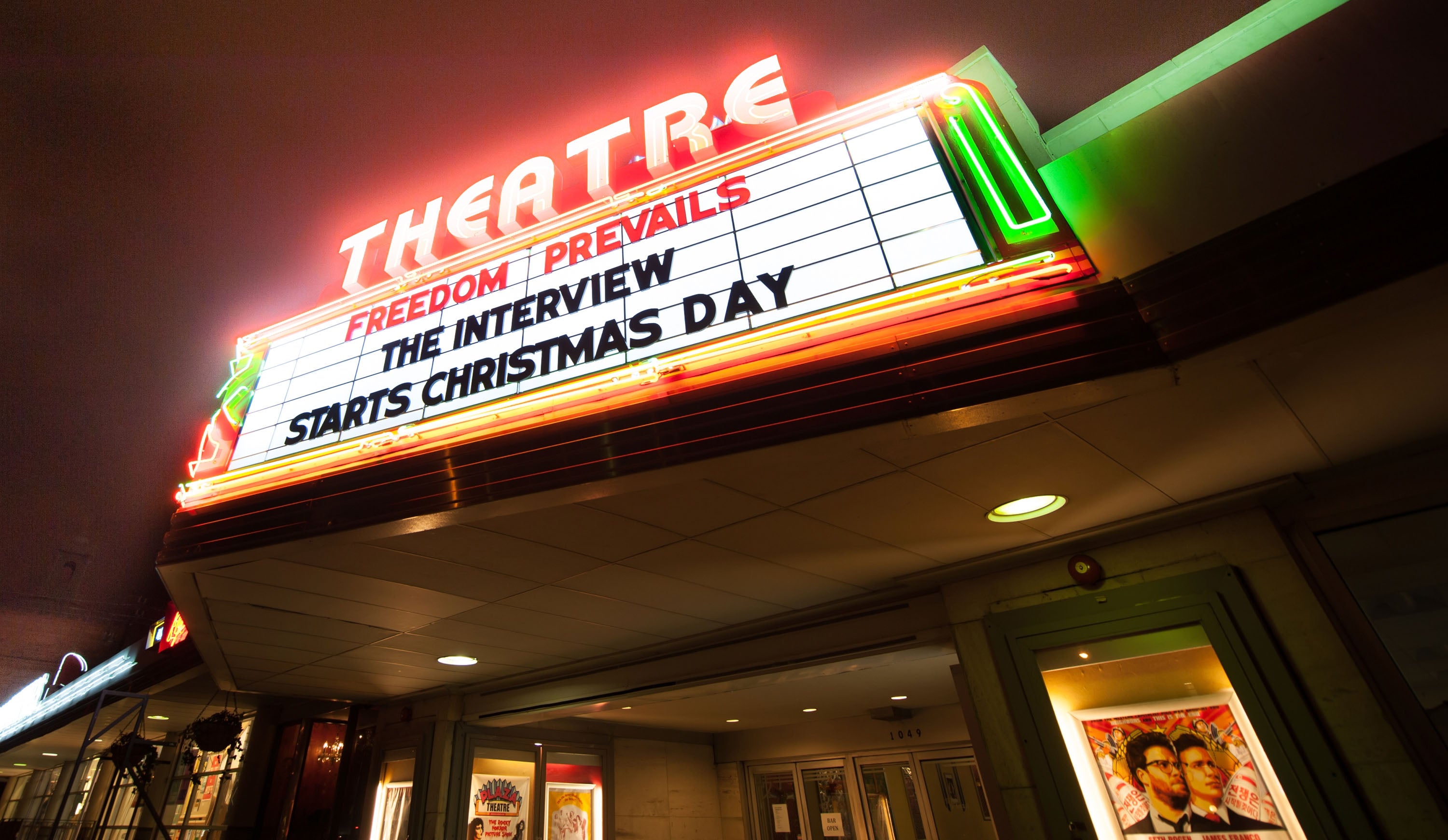
Lynton says it was ultimately a full-cast table read that convinced him and Pascal to take on the project.
"I threw out all of our normal, careful approval processes and found myself agreeing. We rushed into the decision giddy about the project, thrilled to have outflanked our competition at Universal Studios and, alas, oblivious to the potential ramifications," he wrote.
In 2014, a website went live that encouraged users to type "DIE SONY." If they did, they were given access to troves of emails, pirated films, and even blockbuster film scripts that had been stolen from Sony's servers.
"Then the hackers started releasing employee health records and Social Security numbers. They published pirated versions of upcoming movies such as 'The Karate Kid.' They even released the confidential script of the new James Bond movie. That’s the ultimate Hollywood sacrilege. As part of the leaked documents, my daughters’ health records flashed across the internet," Lynton wrote. "The result was mayhem."
Lynton said he was furious with both the press and Julian Assange for examining the emails and making them more accessible to the public but noted that he wasn't as mad at North Korea, "on the assumption that if you kick the hornet’s nest and get stung, you can’t really blame the hornets."
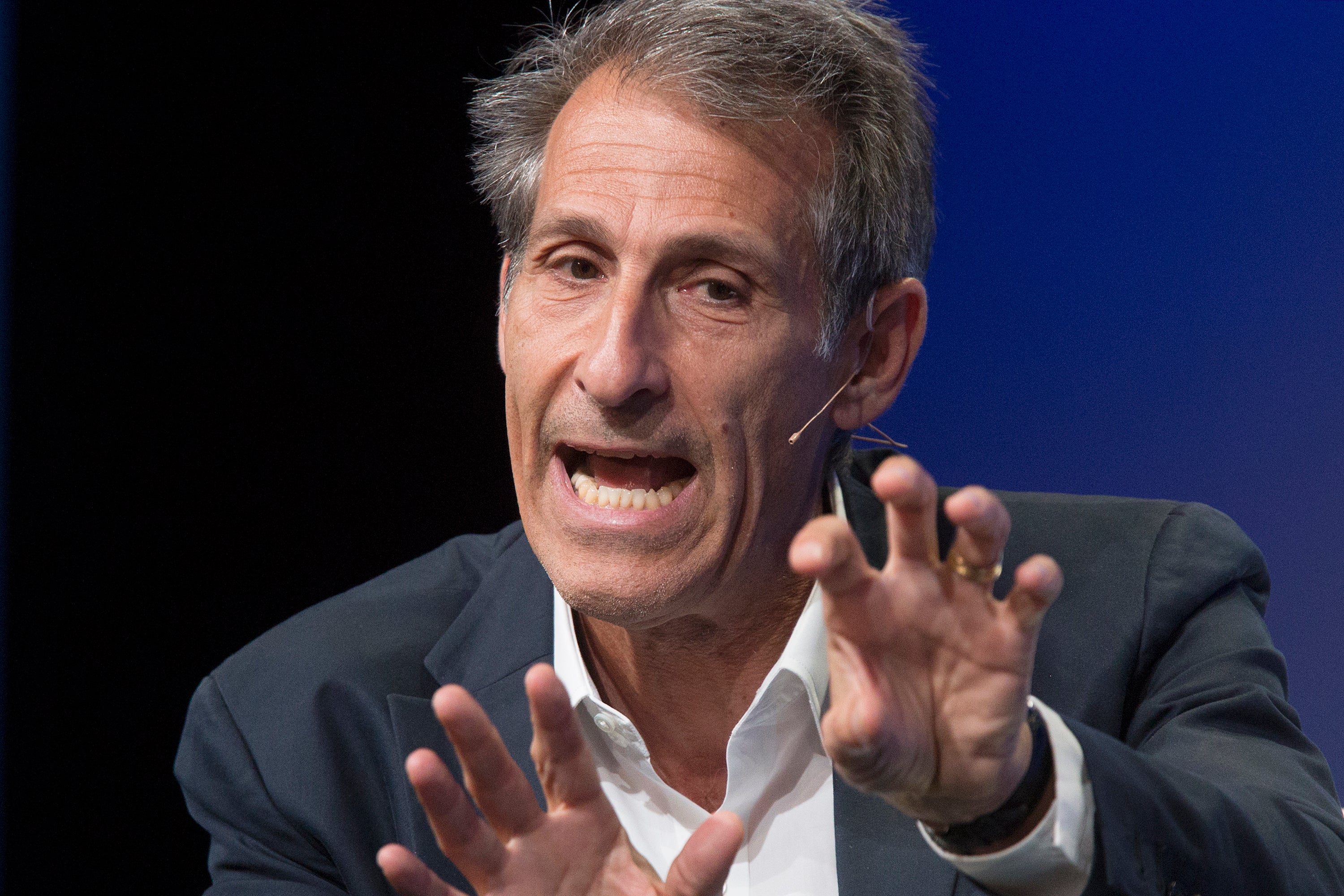
He said that despite North Korean threats to movie theaters during the film's early marketing period, both the studio and the artists involved pushed hard for the film's release. Lynton said that same fervor seemed to dry up after the leaks.
"Conversely, the actors and filmmakers pushed hard for its release. I agreed with the filmmakers’ objective but felt that they showed insufficient concern for the threats to their theater partners. In truth, we got very little support from the Hollywood community," Lynton wrote. "The only person I remember being brave enough to speak out publicly on our behalf was George Clooney."
By the following year, Pascal had stepped down from her role as co-chairperson. Lynton remained at Sony until 2017. He now serves as the chairman of both Snap Inc., the parent company of Snapchat, and Warner Music Group Corporation.
In the end, Lynton calls his decision to greenlight "The Interview" the "biggest mistake of my career," and blames his supposed poor judgment on his desire to just "fit in" with the people he thought were cool in Hollywood.
"Just for a moment, I wanted to join the badass gang that made subversive movies. For a moment, I wanted to hang—as an equal—with the actors," he wrote.
Join our commenting forum
Join thought-provoking conversations, follow other Independent readers and see their replies
Comments
Bookmark popover
Removed from bookmarks