Raw milk warning after newborn baby dies from listeria in New Mexico
Death occurred after pregnant mother consumed raw dairy before baby was born
New Mexico health officials are warning the public to avoid raw dairy products after a newborn baby died from a listeria infection believed to be linked to unpasteurized milk consumed by the child’s mother during pregnancy.
In a statement, the state’s Department of Health said that while investigators were unable to pinpoint the exact source of the infection, the raw milk was the “most likely” cause. No further specifics about the case were released.
However, officials said the infant’s death highlights the risks raw dairy products can pose to pregnant women, infants, older adults and people with weakened immune systems.
“Individuals who are pregnant should only consume pasteurized milk products to help prevent illnesses and deaths in newborns,” said Dr Chad Smelser, the state’s deputy epidemiologist.
The warning follows increased public awareness about raw milk, fuelled in part by Health Secretary Robert F. Kennedy Jr, a long‑time advocate of consuming unpasteurized dairy.
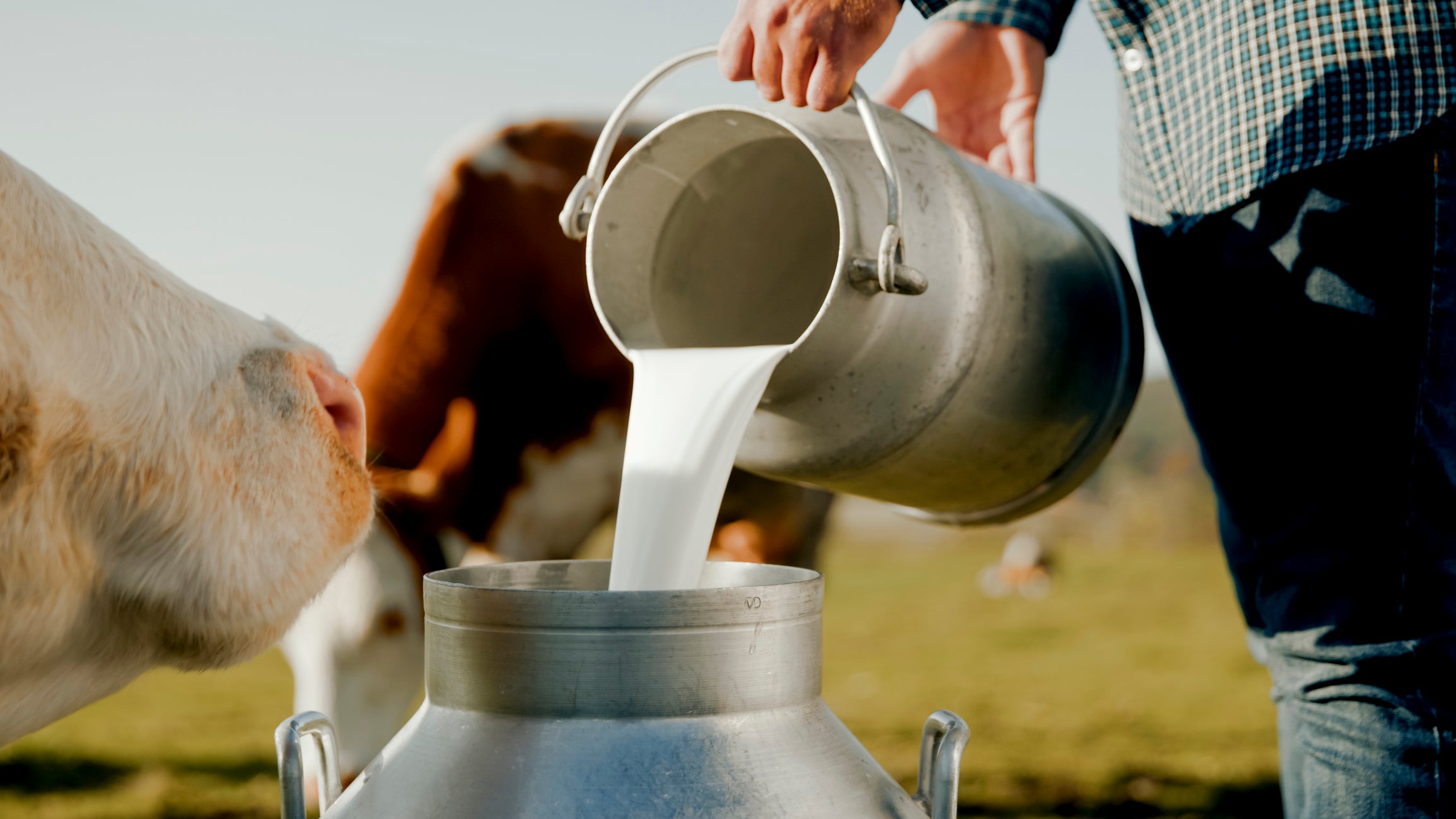
Kennedy, who has previously claimed he drinks only raw milk, has previously described federal restrictions on its sale as a “war on public health.”
In 2024, he criticised state agriculture departments for cracking down on raw milk producers and vowed that the Food and Drug Administration’s “aggressive suppression” of unpasteurized milk would end under a Trump administration.
Public‑health agencies, however, maintain that raw milk carries significant risks. The FDA warns that unpasteurized dairy can contain dangerous pathogens, including Listeria, Salmonella and E. coli, which can cause severe illness or death, particularly in vulnerable groups.
New Mexico officials echoed that guidance on Tuesday, stressing that pasteurization remains the safest way to prevent life‑threatening infections.
For decades health experts and officials have cautioned that drinking raw milk can lead to illnesses ranging from mild infections to severe, life‑threatening disease.

Last year an E. Coli outbreak in Florida affecting 21 people, including many young children, some of whom were hospitalised with severe conditions was linked to raw milk consumption.
Between 1998 and 2018, the U.S. Centers for Disease Control and Prevention recorded more than 200 outbreaks linked to unpasteurized milk, sickening over 2,600 people and sending more than 225 to hospital.
Before national safety standards were introduced in 1924 under the Pasteurized Milk Ordinance, roughly a quarter of all foodborne illnesses in the U.S. were tied to dairy products, according to the Center for Dairy Research.
Today, thanks to pasteurization, dairy accounts for about 1 per cent of such cases.
Named after French microbiologist Louis Pasteur, who found that temporarily heating wine would kill microbes and allow it to age without going bad, the pasteurization process works by heating milk to a minimum of 161F (72C) for 15 seconds before rapidly cooling it again.
This kills harmful pathogens which may be present, including E. Coli, salmonella, listeria and campylobacter. It does not affect the nutritional value of milk.
Join our commenting forum
Join thought-provoking conversations, follow other Independent readers and see their replies
Comments
Bookmark popover
Removed from bookmarks