How Guantanamo Bay lit the fuse for authoritarian rule in Trump’s America
Hundreds of men were rounded up and wrongly imprisoned at Guantanamo Bay as part of the war on terror – where torture and abuse were commonplace. In a new book, human rights lawyer Eric Lewis examines how the utter disregard for the rule of law set America on a dark and disturbing new path


I have spent more than 20 years representing Guantanamo Bay detainees. When I first began in 2002, I was asked how I could represent terrorists. I thought back to law school and the challenge to Japanese internment during the Second World War, known as the Korematsu cases after the lead plaintiff.
I thought of the decision upholding detention of American citizens of Japanese descent as the great shame and betrayal of 20th-century law: the executive ordering and then the Supreme Court permitting a marginalised group of citizens to be taken from their homes and detained indefinitely, not because of what they may have done, but because of who they were. I viewed Guantanamo detention without trial as the Korematsu of our time.
I was encouraged to write a book about my experience at Guantanamo to try to tell the stories of these men and think about its legacy nearly a quarter of a century later. I thought as I began to write that it should be categorised as history, not as current events. I had hoped that Korematsu was such a stain on our law and politics that we would have learned some moral lessons in the interim. Guantanamo disabused me of that.
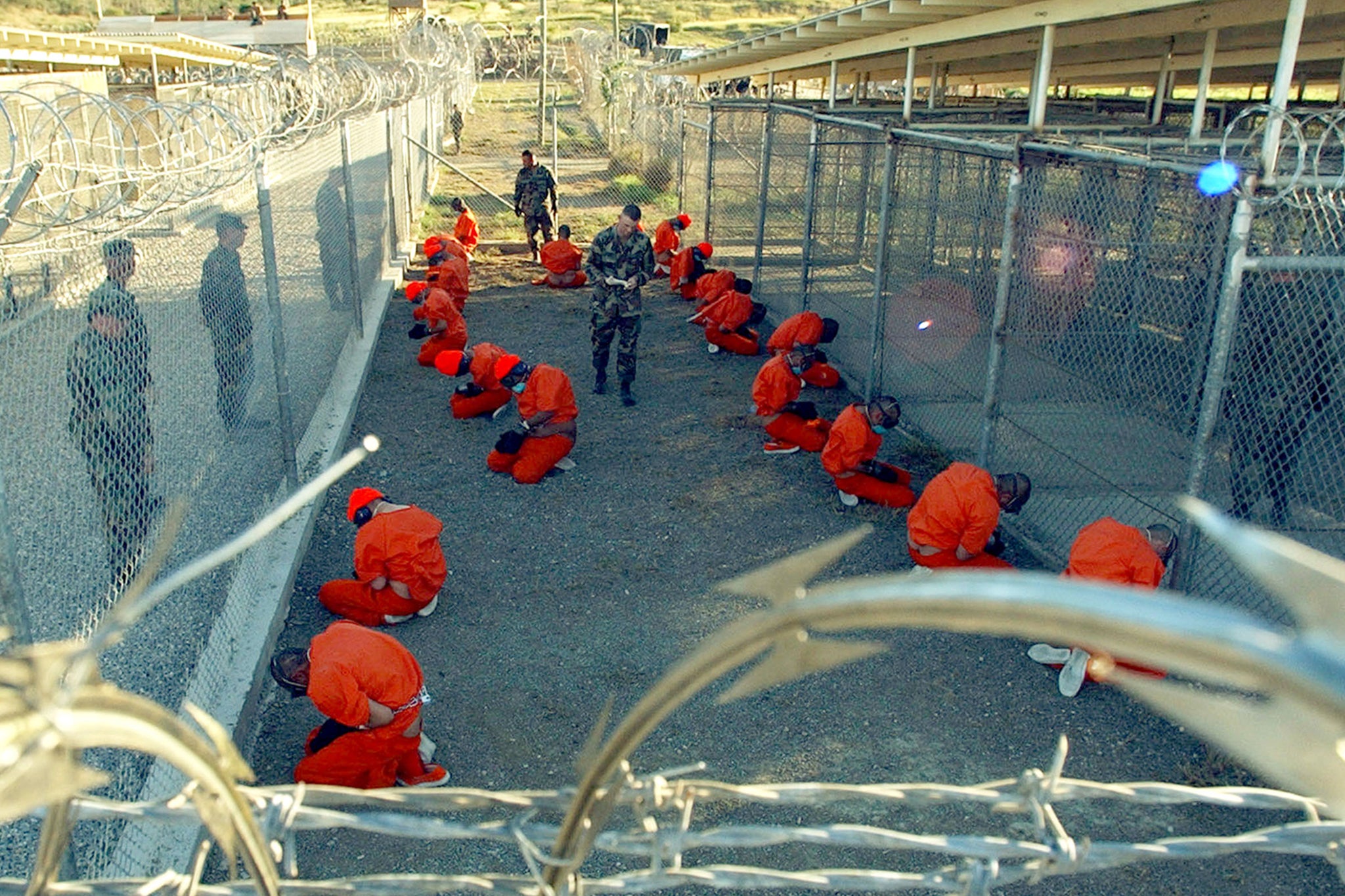
Guantanamo was selected to hold detainees precisely because the Bush administration believed that it was a place beyond the rule of law. Panicked politicians could proceed in secrecy, with maximum cruelty and without accountability, to create the political narrative that they were fighting and winning the “global war on terror”. All of this was justified on the amorphous and irrefutable invocation of “national security”, where anything goes.
The officers in command of Guantanamo knew within a few weeks of the first arrival of prisoners in 2002 that they had not captured any real terrorists. As one senior naval official said, most of the prisoners were “not just ‘low value detainees’, they were ‘no value detainees’ little more than ‘bounty babies’ who had been turned in by locals for cash.”
One senior officer said that these men “weren’t fighting; they were running”. Senior officials at the Pentagon were informed, but they refused to hear it. The Bush administration wanted to assure Americans that it was making sure there would be no more attacks because all the bad guys were now in cages in Cuba. Government officials could not admit it was all a terrible mistake; that it had done no battlefield vetting to determine who, if anyone, had done what. It would not stand up and tell the American people that it had brought to Guantanamo a bunch of guys digging wells, building mosques, teaching the Quran, and maybe a few low-level guys with AK-47’s, but who had nothing to do with 9/11.
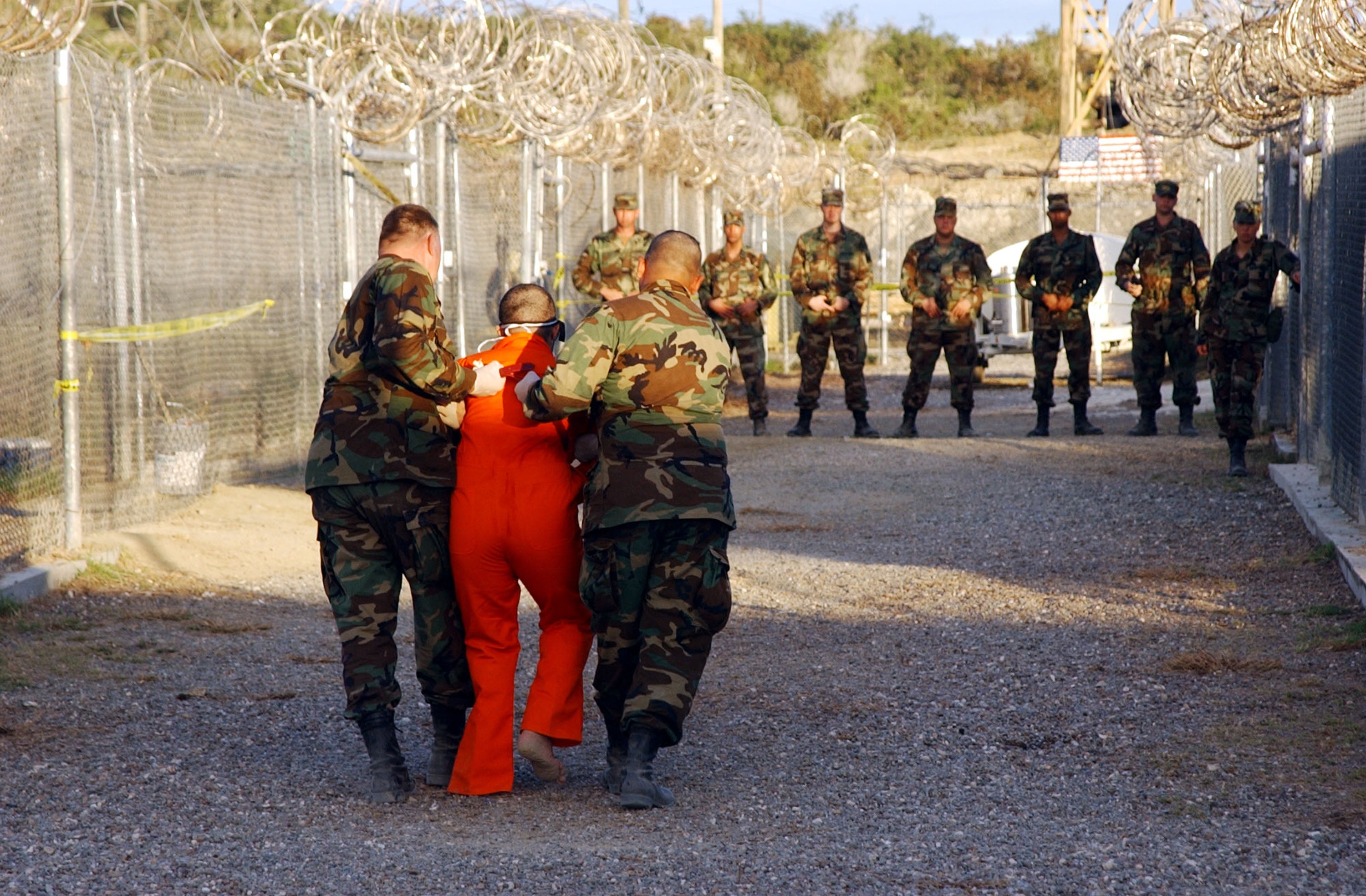
Instead, the order came from the Pentagon to torture everyone and see whether they would confess, with the full knowledge that they had nothing to confess. But confess they did. People who are tortured confess to whatever they think their torturers want to hear. None of it was credible or did anything for national security. The Department of Defense didn’t care about whether confessions extracted under torture were true or useful; they needed to show apparent progress.
Torture included placing detainees in dark, tight spaces, often coffin-sized, for days at a time, prolonged sleep deprivation, music played at earsplitting volume 24 hours a day, and waterboarding, or simulated drowning.
Detainees were subjected to what was called “the frequent flyer program”, where they were moved from cell to cell 24 hours a day for weeks at a time so they could not sleep. There was an “official program” authorised by the Pentagon to be used against detainees who were believed to have intelligence information. And that spilled over into an unofficial program used ad hoc by guards against detainees with no intelligence value, including at least one detainee who was a minor. Cruelty, once unleashed, takes on momentum and indifference to the suffering of “them” becomes ingrained.

While there is much blame to go around, lawyers bear significant culpability. A team told the Department of Defense that the torturers were immune from criminal prosecution because it would be “an unconstitutional infringement of the President’s authority to conduct war” and that the laws regarding torture did not apply in any event to interrogation of foreigners outside US territory.
The great human rights lawyer Philippe Sands wrote that six Bush administration lawyers, the “Torture Team”, should have been prosecuted for war crimes. None was ever charged with anything; most moved upward within the legal and political establishment.
Despite knowing from multiple sources that it was a dangerous lie, Donald Rumsfeld persisted in demonising the Guantanamo detainees, bringing guards to Guantanamo who had been on duty on 9/11, telling them that they were guarding the men who had killed their comrades, with predictable results. Then as now, turning your enemies into terrorists and violent criminals is powerful politics.
Indefinite detention without trial, once established, tends to persist. The Japanese detainees were released once the Second World War was over because it had a clear endpoint. But the global war on terror exists outside time and place. It ends when the government says it ends.
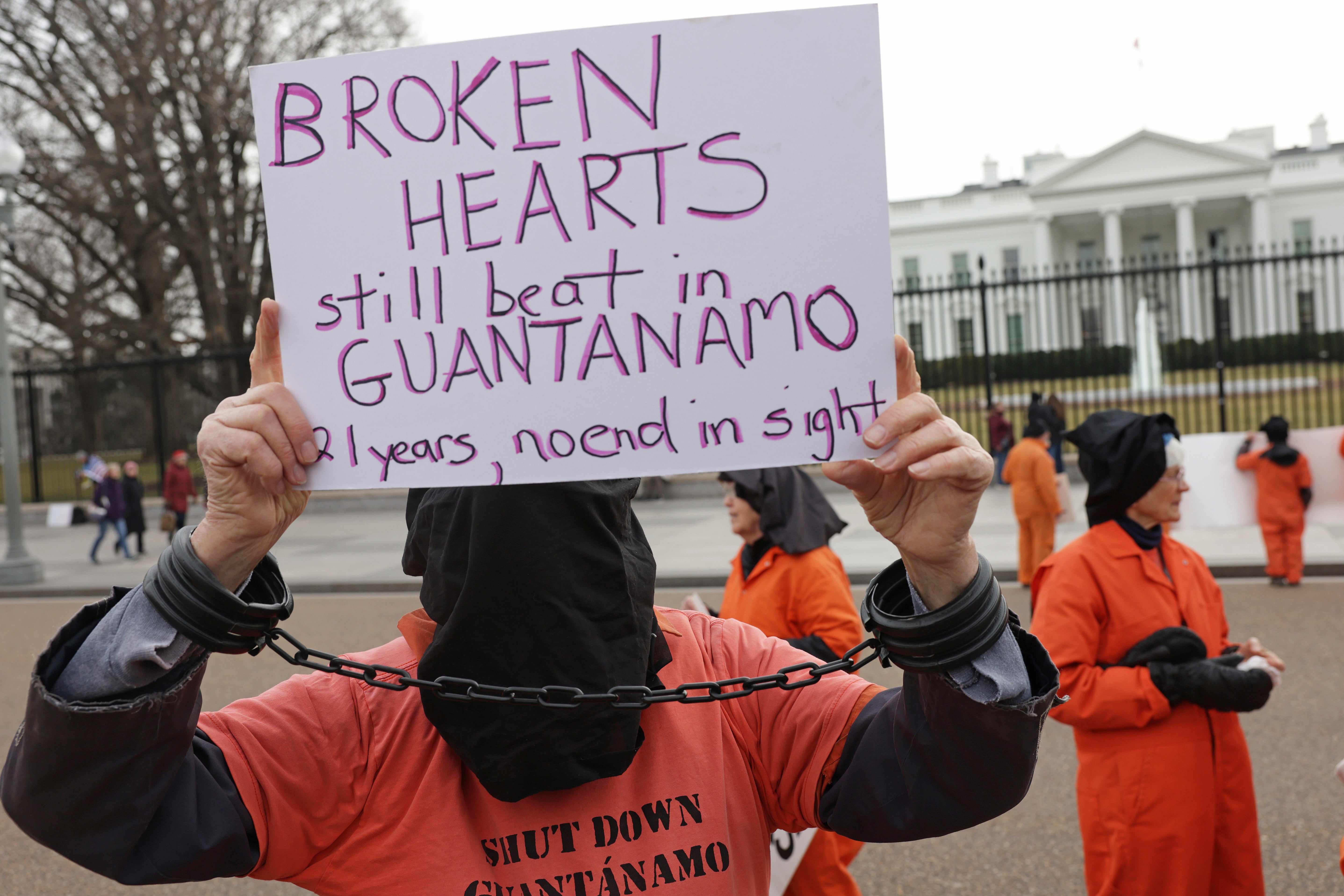
Fifteen men remain at Guantanamo to this day. Nine have been charged in military commissions; two have been convicted, one at trial and one through a plea. Six have never been charged and never will be. Three have been cleared for release, but not released. Of the remaining three, one was waterboarded 83 times as a suspected member of al-Qaeda. The USG has confirmed that he was never a member of al-Qaeda.
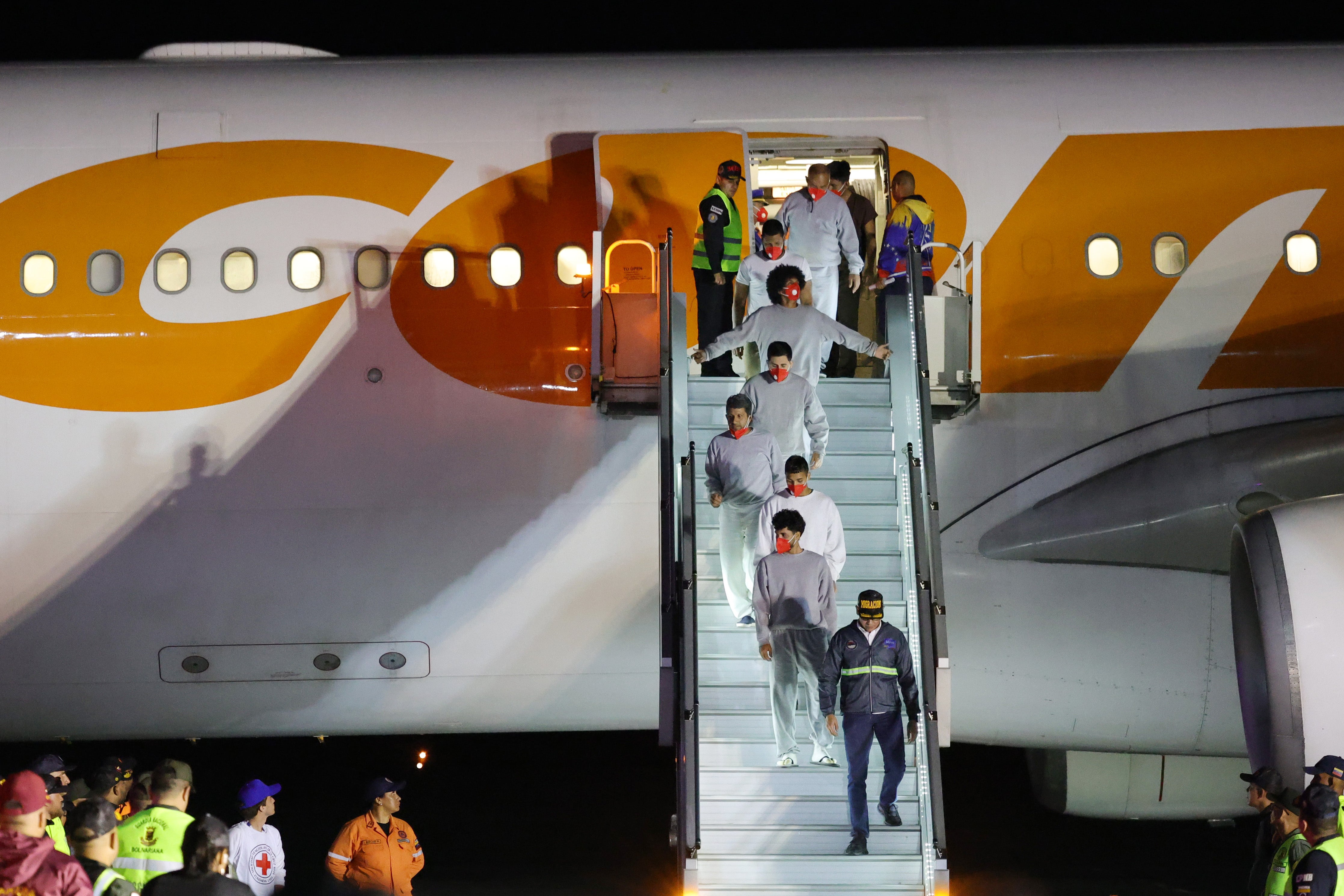
Of the 780 men who went through Guantanamo, 765 were never charged with any crime. Their releases occurred at random times without explanation. One of the hardest things for the detainees was not knowing when, if ever, they might return to their homes and families.
The war on terror and the war on migrants share with Guantanamo an indifference to evidence that its enemies have done anything wrong. The vast majority of men captured and sent to Guantanamo, estimated at 95 per cent, were never seen on any battlefield by the United States. There were no procedures in place for objective factfinding as to who had committed wrongful acts and who had not.
The Defense Department set up a number of different systems for deciding whether detainees should continue to be held. They were a farce.
Even though the early commanders at Guantanamo had alerted the Pentagon that they were holding nobodies, the Defense Department tribunals decided that more than 93 per cent of these men were enemy combatants, who should continue to be held. The detainees had no lawyers and were given military representatives who were free to tell the tribunals that their detainees were guilty, and in many cases, they did.
The tribunals relied almost exclusively on confessions that were coerced by detainees and detainee informers who told wildly improbable stories about hundreds of their fellow prisoners. As many of my clients told me, “I would admit to anything just to make it stop.” One serial informer was given all the McDonald's he wanted and special quarters with a La-Z-Boy recliner. He was 180 pounds when he arrived at Guantanamo and 420 pounds when he was about to be released. He had sold his integrity for hamburgers.
Often, the US got the names and numbers of various detainees confused, leading to extra years of prison. One detainee was accused of fighting in Afghanistan with his son; his son was one year old at the time. Others were accused of being part of a London cell when they had never been to London. Facts didn’t matter and did not need to be corroborated. And as we saw then and see again today, even if after evidence emerges that these characterizations are lies, the administration sticks to its narrative. It is rare indeed for a government to circle back and admit, “well, maybe they aren’t the ‘worst of the worst’”.
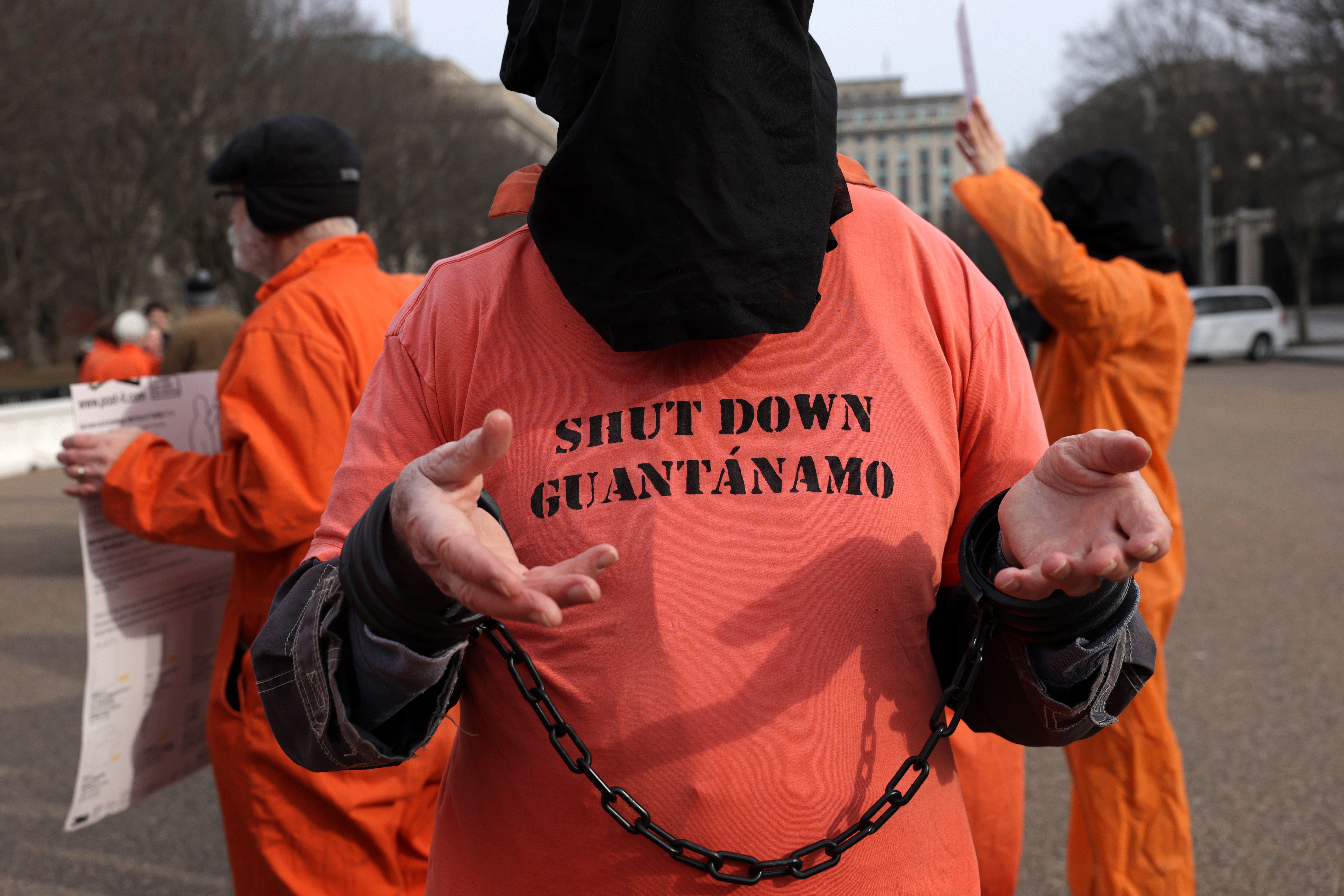
Islamophobia was standard operating procedure at Guantanamo. Qurans were thrown in the toilet or soaked with high-pressure fire hoses. One of my clients was told, “You are here, which shows Allah doesn’t love you”. One Kuwaiti graduate of the University of Nebraska was harangued non-stop, “The Cornhuskers are losing. The Cornhuskers are losing.”
Guantanamo, like the current mass detention operations, was improvisational, based on orders from on high without reference to what was feasible or whether there was a legal or factual basis for detention. The first 300 detainees brought to Guantanamo were kept in Camp X-Ray, an open-air prison, where prisoners slept in cages with cement floors and buckets for bodily functions, where they could be seen by guards, fellow detainees and the frequent visitors from Washington.
There were snakes, banana rats (Cuban hutias that grew to three feet in length) and they weighed up to 19 pounds. Cuban rock iguanas also were inside the wire, the world’s largest, which can be up to five feet long and weigh up to twenty pounds. The iguanas are protected, and soldiers can be disciplined for harming them, although detainees were fair game. Twenty-one of the men captured at Guantanamo were under the age of 18; three were 13 or 14 and another three were under 16. Nothing new today; children are once again kept in overcrowded cages.
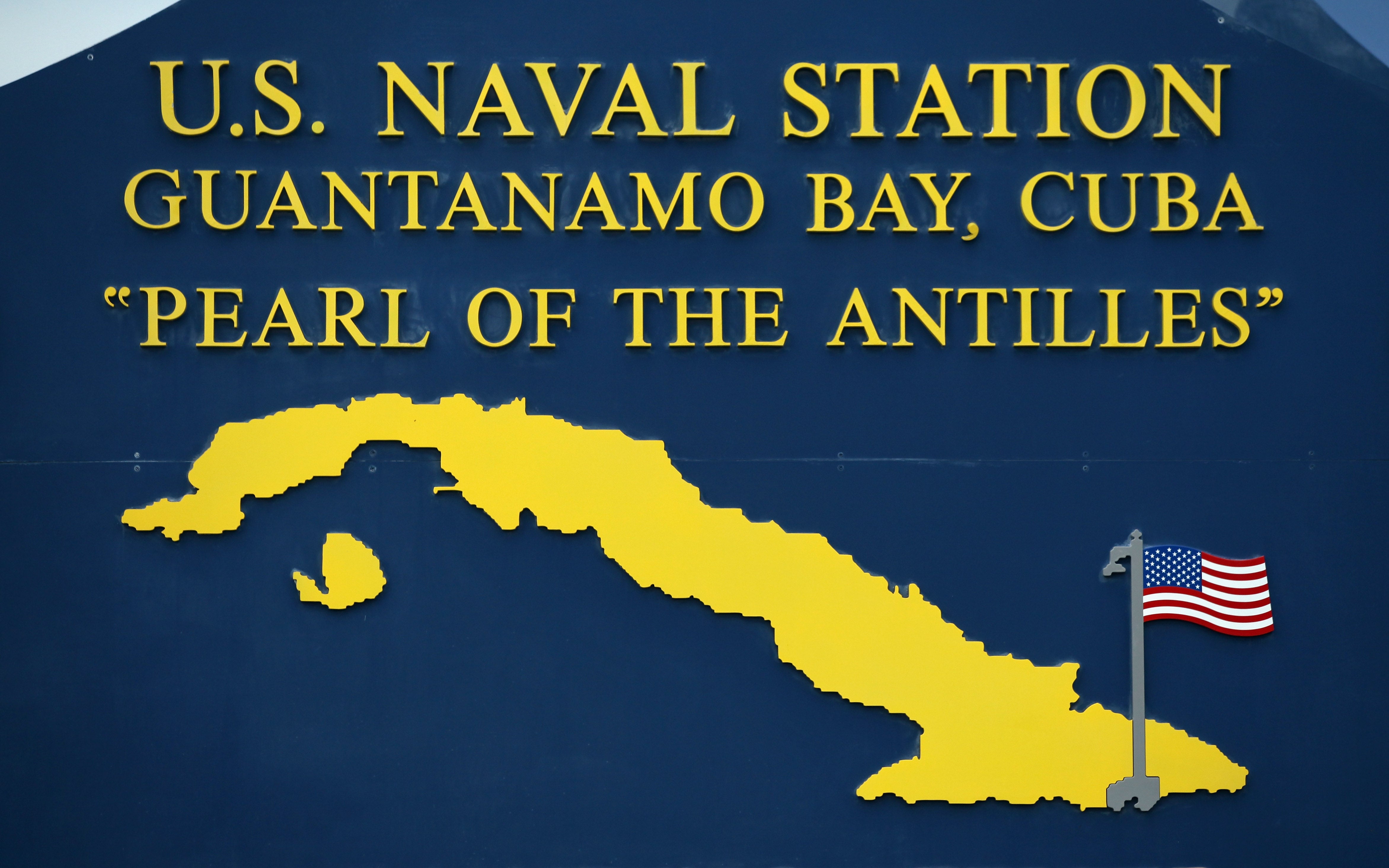
Guantanamo was not only a harbinger of autocracy that we see play out in Trump’s America; it remains in business. Indefinite detention without trial became a new feature of American life with no end day in sight. Torture has become normalised in American life. Not a single person at Guantanamo was ever released by court order. The executive reserved to itself the absolute power to detain, to release, to deport. That ascendant executive in the wake of 9/11 continues to accumulate power today. Guantanamo lit the fuse.
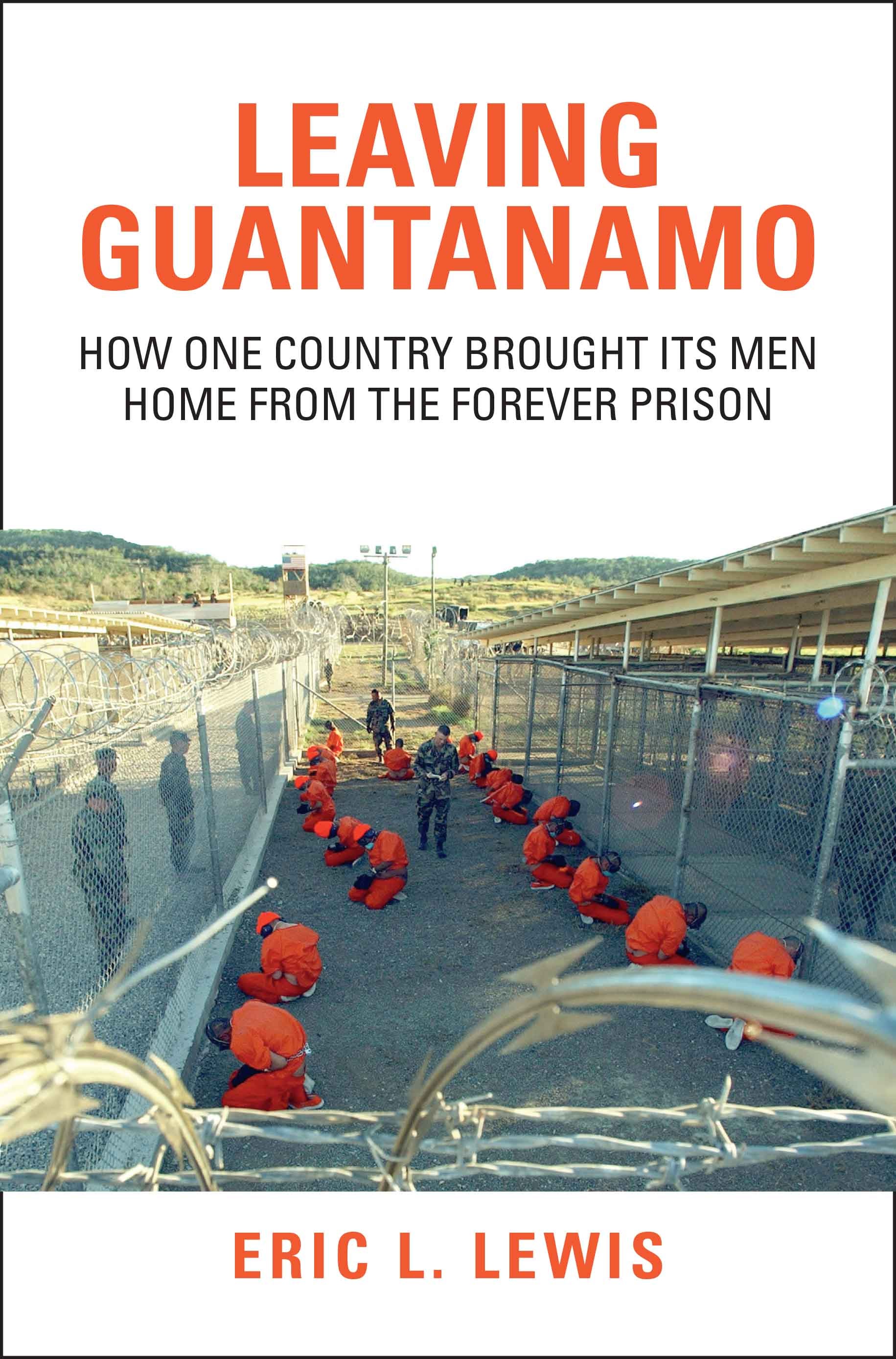
‘Leaving Guantanamo: How One Country Brought Home Its Men from the Forever Prison’ is published by Cambridge University Press. Eric Lewis is a human rights lawyer and also sits on the board of directors of The Independent
Join our commenting forum
Join thought-provoking conversations, follow other Independent readers and see their replies
Comments
Bookmark popover
Removed from bookmarks