Travel chaos and power cuts for 150,000 as bomb cyclone threatens heaviest snowfall in 20 years
Charlotte, North Carolina, saw its heaviest snowfall in two decades
A winter storm strengthened into a bomb cyclone, ushering in powerful wind gusts and abnormally heavy snow across parts of the Southeast coast.
While last week’s sweeping snow and ice storm largely spared the Carolinas and northern Georgia, Saturday’s bomb cyclone dumped over 20 inches of snow in the Smoky Mountains and left over 150,000 customers in the region without power.
In Faust, North Carolina, part of the Smoky Mountains, over 22.5 inches of snow was recorded by 10 a.m. Sunday.
Meanwhile, Charlotte saw 11 inches of snow, tying for the fourth snowiest day on record. The last time the city logged over 11 inches of snow was in February 2004, making it the heaviest snowfall in over 20 years, AccuWeather Meteorologist Tyler Roys told The Independent.
Travels across the region have been snarled as a result of the storm, as high winds caused hundreds of flights to be canceled and icy conditions made for dangerous conditions on crucial roadways.
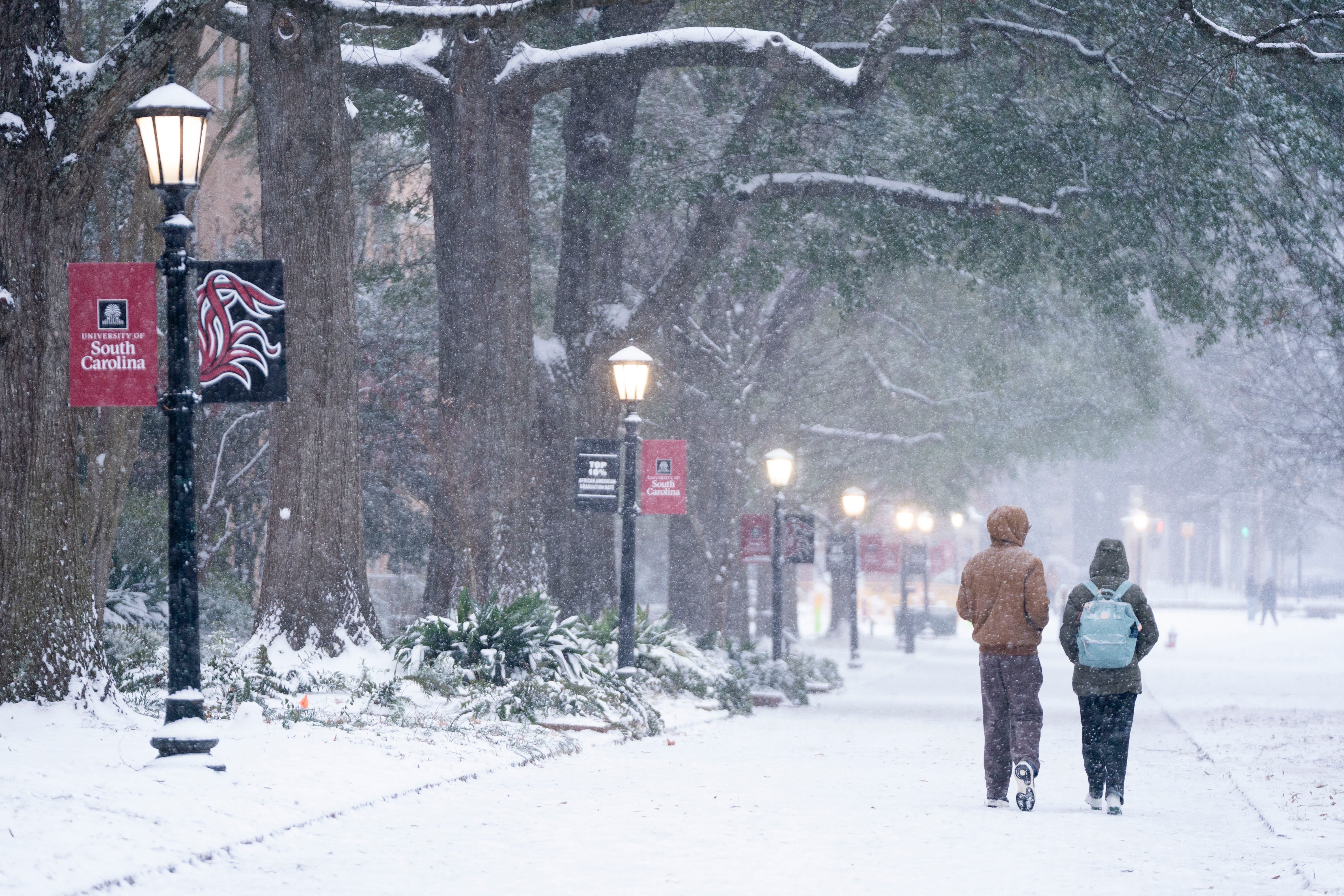
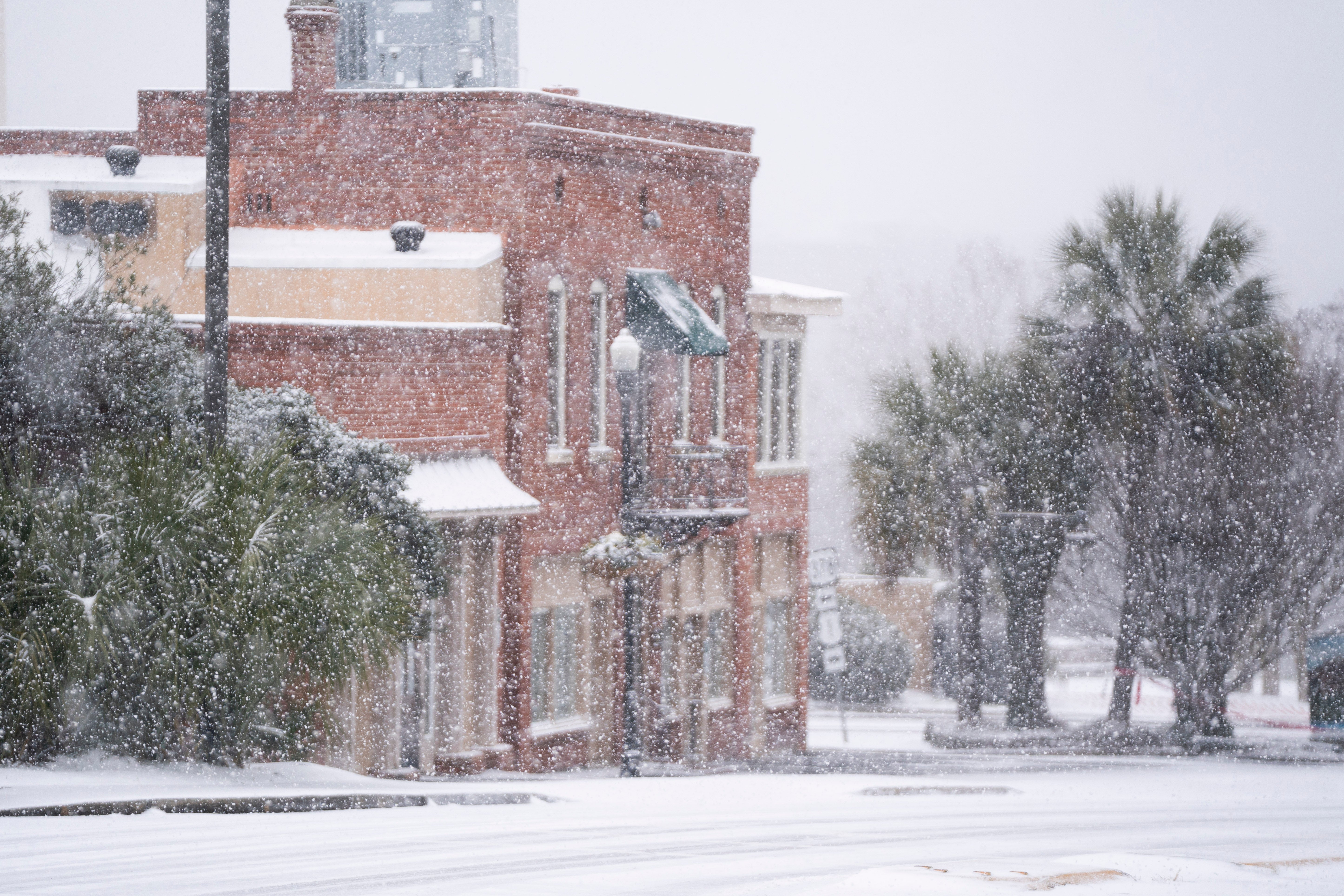
Brutal, bone-chilling cold has also spread across the South, with powerful wind gusts making it feel much colder than it actually is outside.
The area along Interstate 85 from Charlotte up to Greensboro saw anywhere from eight to 16 inches of snow, marking some of the heaviest snow seen from this storm, Roys said.
The eastern coast of North Carolina also saw a massive snowfall, with 10 inches of snow recorded in Granby and 16 inches in Hammocks Beach.
A whopping 17 inches was recorded in Longwood, North Carolina, not far from Myrtle Beach and the South Carolina border, Roys said.
Meanwhile, areas more south like Charleston, South Carolina, recorded less than an inch of snow.
Much of this region will continue to experience sub-freezing temperatures through Sunday, making the snow removal process even more difficult due to limited plows and chemicals available in the region.
“I would say from mid-South Carolina all the way up to much of North Carolina, it is going to be all day that snow removal is going to be taking place,” Roys said.
While temperatures in Charlotte and parts of northern South Carolina are expected to rise to the high 30s and lower 40s Sunday, they are expected to drop once again at nighttime.
“You’re looking at many places that are going to get into the lower teens, potentially into the upper single digits,” Roys said.
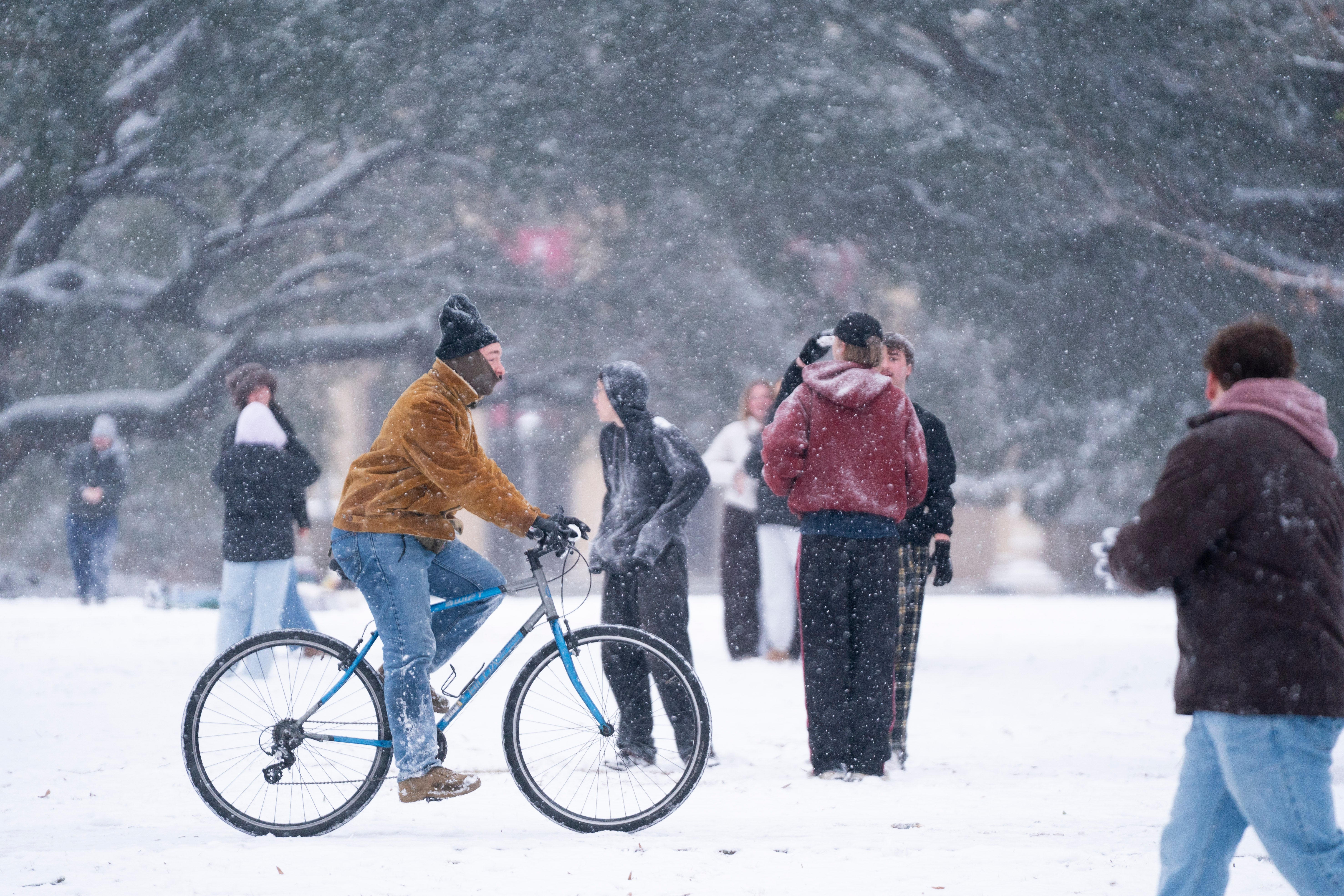
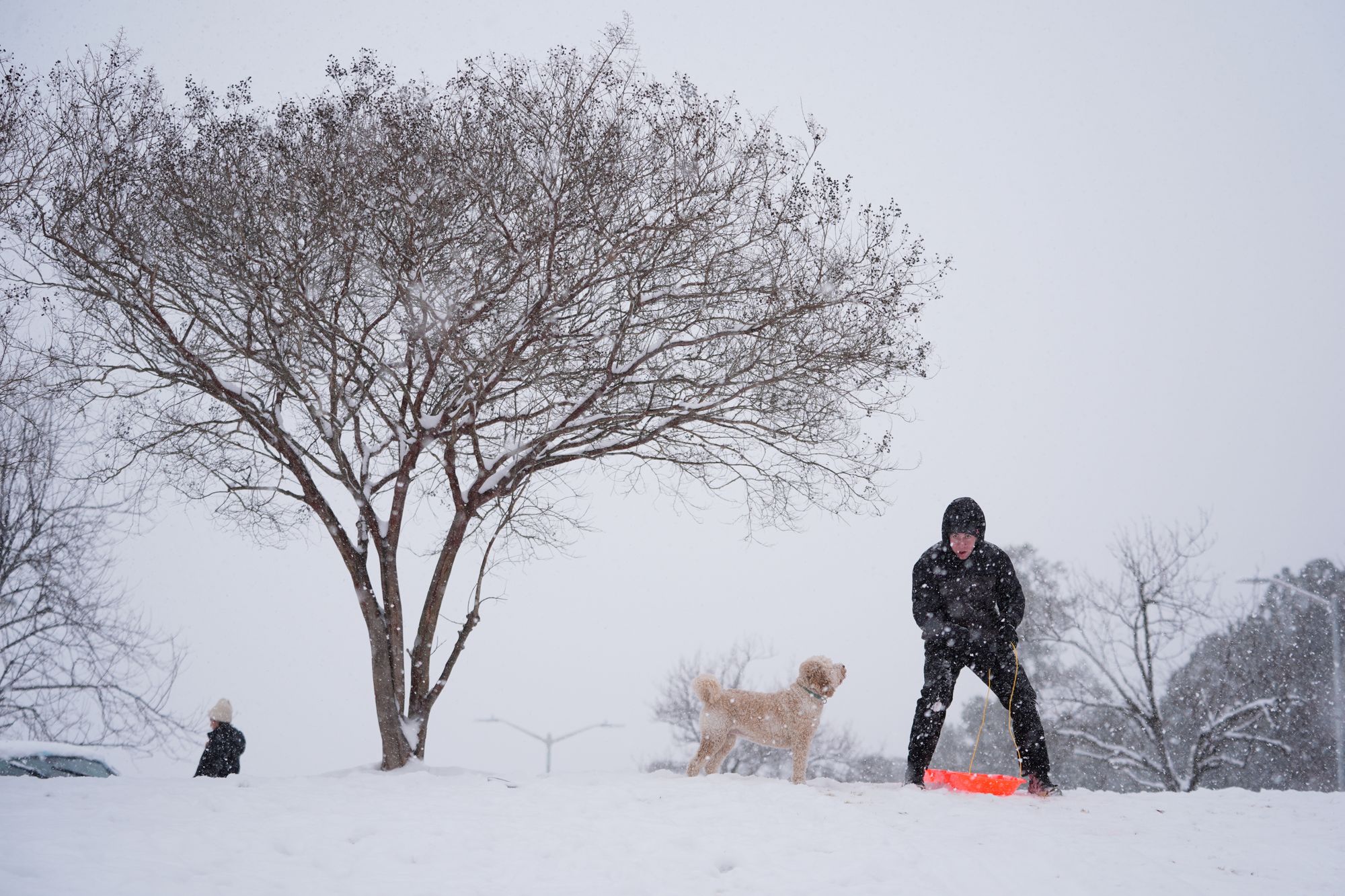
The storm is expected to have lingering impacts throughout the week, as temperatures will drop low each night, causing icy spots.
The high winds are also expected to create frequent, large waves along unprotected coastal areas from North Carolina to Delmarva with moderate coastal flooding, according to AccuWeather.
Travel may be snarled across portions of interstates 26, 40, 64, 75, 77, 81, 85 and 95 from Tennessee to the Atlantic Coast in the Carolinas and southern Virginia through much of Sunday, according to AccuWeather.
Nearby airports were also experiencing cancellations and delays as a result of the storm. Charlotte Douglas International had 388 flights cancelled as of 10 a.m. Sunday, whereas Raleigh-Durham International saw 55 cancellations, according to FlightAware.
Other nearby airports, like Myrtle Beach International and Charleston International also each saw over 20 cancellations Sunday morning.
North Carolina’s Department of Transportation shared a strongly worded message to residents, urging them to stay home.
“Stay home this morning unless it’s an emergency or you are essential personnel,” the DOT wrote on social media Sunday morning. “That’s it. That’s the message.”
Join our commenting forum
Join thought-provoking conversations, follow other Independent readers and see their replies
Comments
Bookmark popover
Removed from bookmarks