Trump said ‘radical Islamists’ are killing Christians in Nigeria. What’s the truth?
Trump announced he was adding the West African country to the State Department’s watch list
Donald Trump declared on Friday that Christianity in Nigeria faces an “existential threat,” announcing the West African country's inclusion on a State Department watch list for “countries of particular concern.”
This has been a push Senator Ted Cruz has been pushing for due to alleged “severe violations” of religious freedom in Nigeria. This designation, which currently applies to nations such as Pakistan, Afghanistan, and China, could lead to U.S. sanctions.
“Christianity is facing an existential threat in Nigeria. Thousands of Christians are being killed. Radical Islamists are responsible for this mass slaughter,” Trump wrote on Truth Social.
He stated he had requested U.S. Representatives Riley Moore and Tom Cole, along with the House Appropriations Committee, to investigate the matter and report their findings directly to him.
“We stand ready, willing, and able to save our Great Christian population around the World!” Trump wrote.
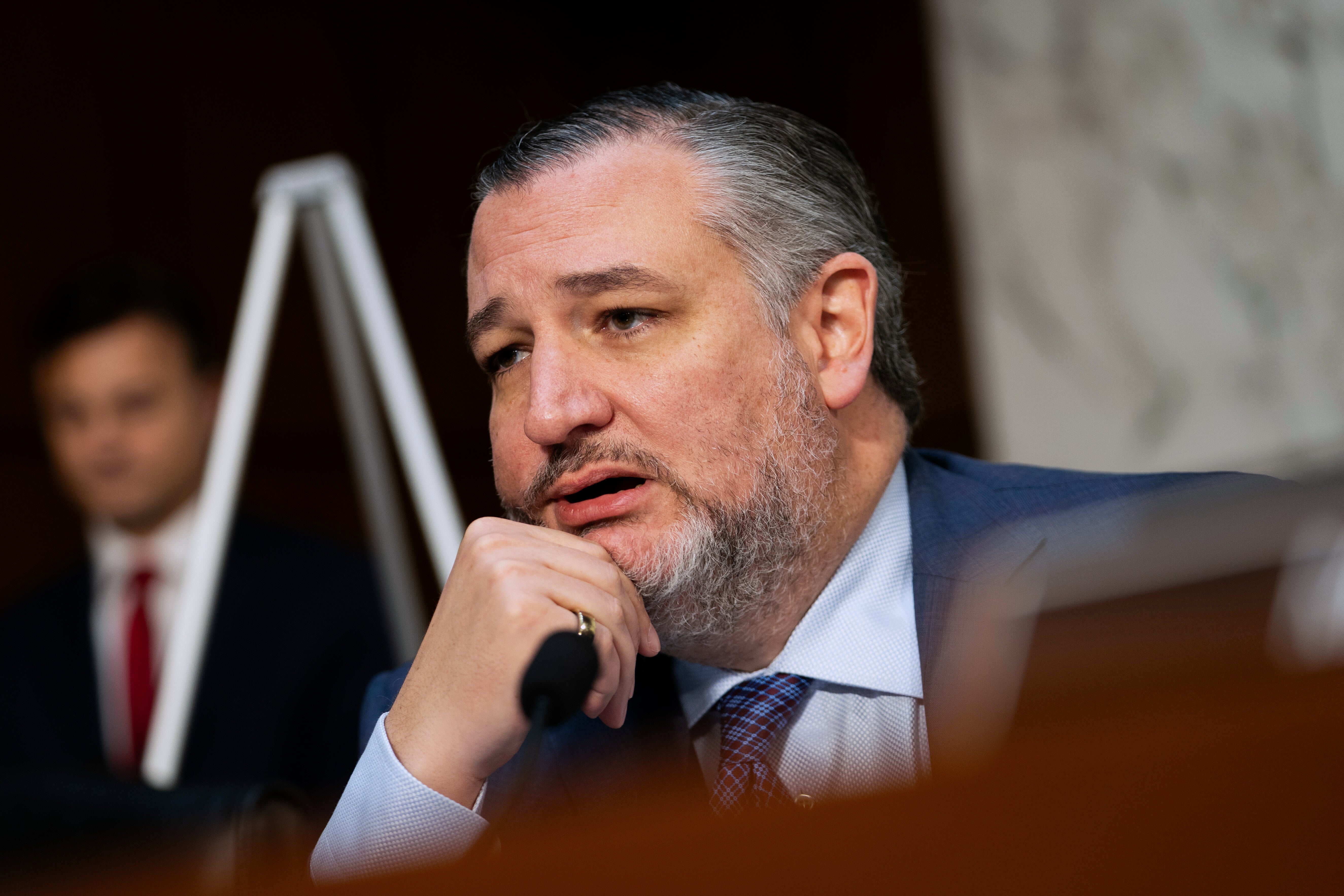
Cruz has been spearheading a contentious effort to designate Nigeria as a violator of religious freedom, making unfounded claims of "Christian mass murder" – assertions the West African nation has vehemently rejected as false.
A Republican on the Senate Foreign Relations Committee, Cruz is pushing for Nigeria to be labelled a “country of particular concern.”
A bill introduced by the senator last month is awaiting action in the Senate, though its ultimate approval is not guaranteed.
Cruz's assertions have been amplified by some US celebrities and commentators, often without substantiating evidence, with certain figures going as far as alleging a "Christian genocide."
His office has not responded to questions, including those concerning his motivation for these allegations.
Here's what to know:
Both Christians and Muslims are killed
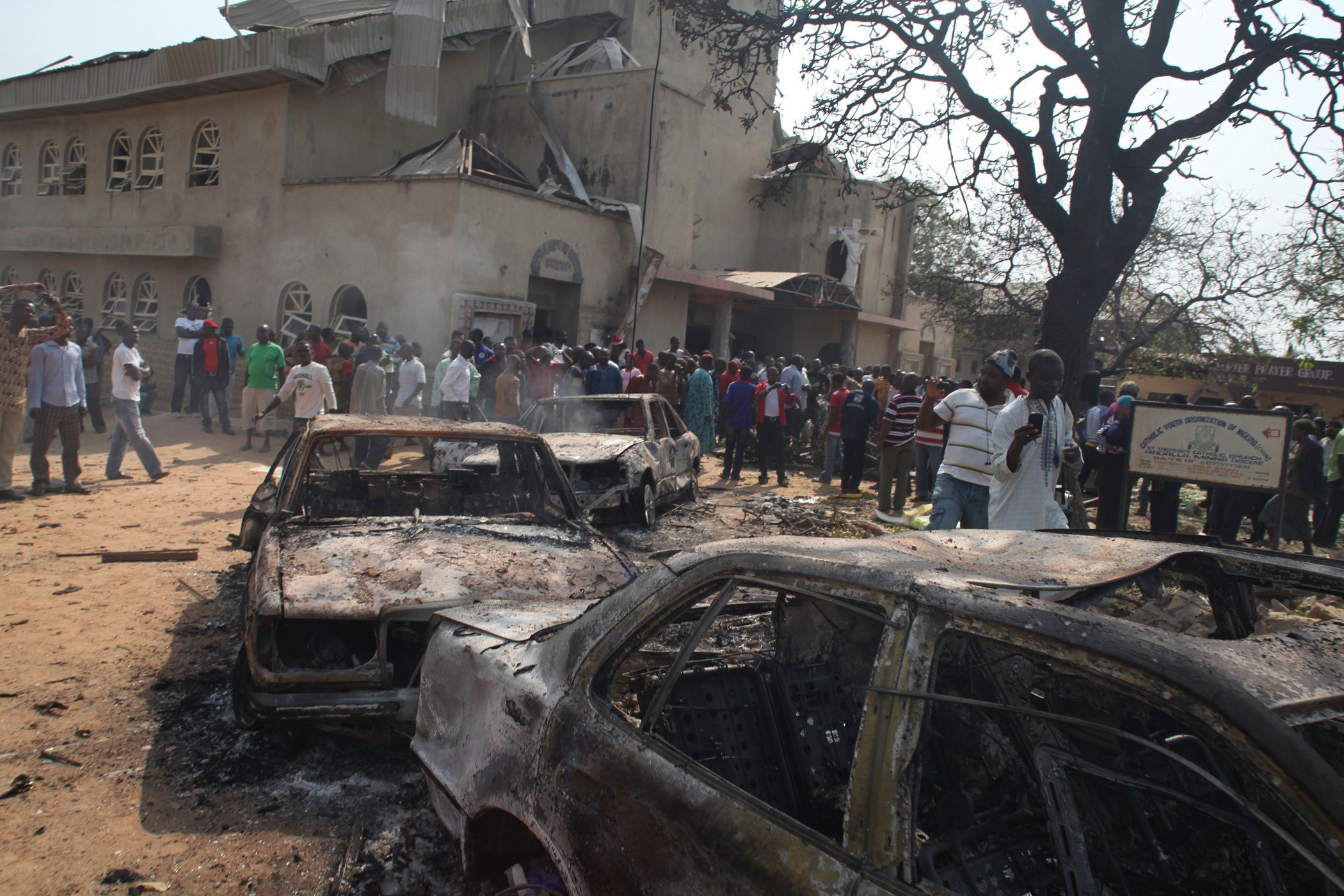
Nigeria’s 220-million-strong population is split almost equally between Christians and Muslims. The country has long faced insecurity from various fronts including the Boko Haram extremist group, which seeks to establish its radical interpretation of Islamic law and has also targeted Muslims it deems not Muslim enough.
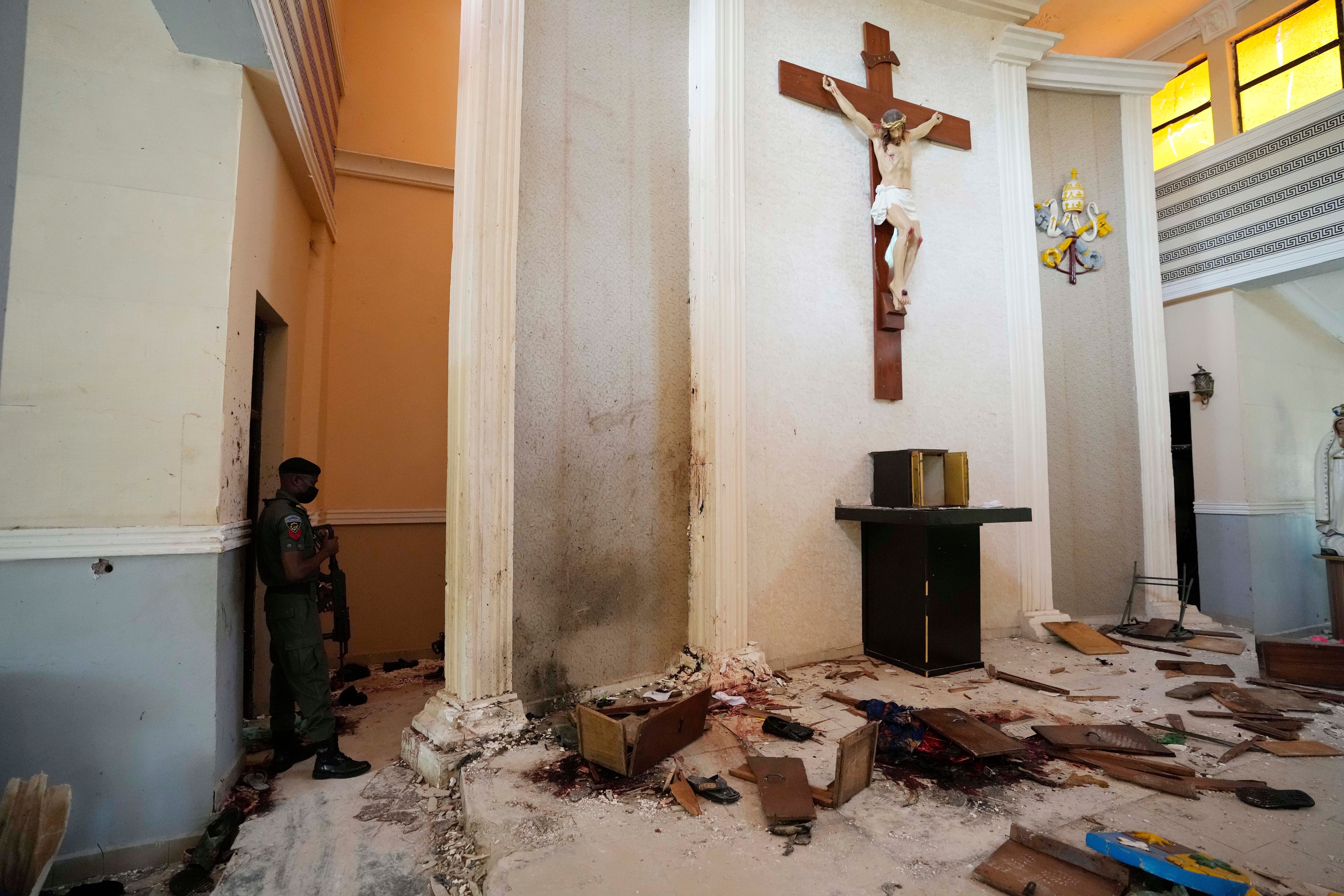
Attacks in Nigeria have varying motives. There are religiously motivated ones targeting both Christians and Muslims, clashes between farmers and herders over dwindling resources, communal rivalries, secessionist groups and ethnic clashes.
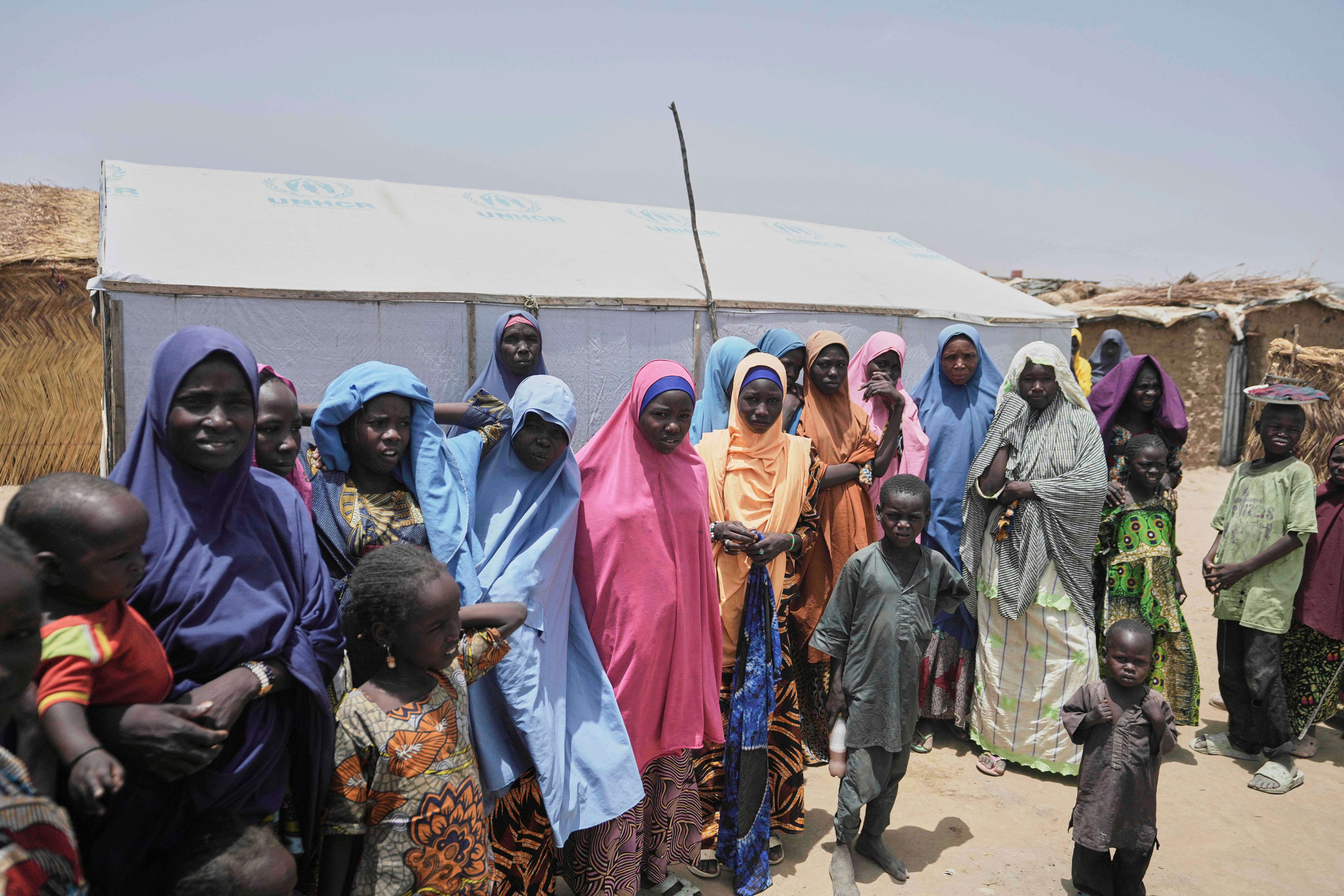
While Christians are among those targeted, analysts say the majority of victims of armed groups are Muslims in Nigeria's Muslim-majority north, where most attacks occur.
Both Muslim and Christian communities, and groups, have at various times alleged “genocide” during religiously motivated attacks against both sides.
Such attacks are often in the north-central and northwestern regions struggling, among other forms of violence, with farmer-herder conflict that is between farming communities — predominantly Christians — and Fulani herders who are mainly Muslims.
Joseph Hayab, a former chairman of the Christian Association of Nigeria in Kaduna state, among the worst hit by the insecurity, disputed claims of “Christian genocide.”
While thousands of Christians have been killed over the years, “things have been better than what they were before," Hayab said, warning, however, that every single death is condemnable.
Nigeria's government rejected Cruz' claims, which have been discussed among Nigerians.
“There is no systematic, intentional attempt either by the Nigerian government or by any serious group to target a particular religion," Information Minister Idris Muhammed told The Associated Press.
Nigeria was placed on the country of particular concern list by the US for the first time in 2020 in what the State Department called “systematic violations of religious freedom.”
The designation did not single out attacks on Christians. The designation was lifted in 2023 in what observers saw as a way to improve ties between the countries ahead of then-Secretary of State Antony Blinken's visit.
Responding to the latest claims from US commentators, the Christian Association of Nigeria said it has worked to draw attention over the years to “the persecution of Christians in Nigeria.”
In its 2024 report, the US Commission on International Religious Freedom highlighted attacks targeting both Christians and Muslims in what it called systematic religious freedom violations in Nigeria.
"Violence affects large numbers of Christians and Muslims in several states across Nigeria,” the commission added.
What the data says
Data collected by the US-based Armed Conflict Location and Event Data program shows 20,409 deaths from 11,862 attacks against civilians in Nigeria between January 2020 and this September.
Of those, 385 attacks were “targeted events against Christians (…) where Christian identity of the victim was a reported factor,” resulting in 317 deaths, ACLED says.
In the same period, there were 417 deaths recorded among Muslims in 196 attacks.
While religion has been a factor in Nigeria's security crisis, its "large population and vast geographic differences make it impossible to speak of religious violence as motivating all (the) violence,” said Ladd Serwat, senior Africa analyst at ACLED.
Analysts reject claims of genocide
Analysts say Nigeria’s complex security dynamics do not meet the legal definition of a genocide.
The UN convention on preventing genocide calls it acts “committed with intent to destroy, in whole or in part, a national, ethnical, racial or religious group."
“If anything, what we are witnessing is mass killings, which are not targeted against a specific group," said Olajumoke Ayandele, an assistant professor at New York University’s Center for Global Affairs who specialises in conflict studies.
“The drumming-up of genocide might worsen the situation because everyone is going to be on alert.”
Chidi Odinkalu, a professor at Tufts University’s Fletcher School of Law and Diplomacy and a former chairman of Nigeria’s National Human Rights Commission, said Nigerian authorities, however, need to address the rampant violence.
Reuters contributed to this report.
Join our commenting forum
Join thought-provoking conversations, follow other Independent readers and see their replies
Comments
Bookmark popover
Removed from bookmarks