Libyan dictator Gaddafi’s son shot dead by armed men at home
Saif al-Islam Gaddafi’s political team say ‘four masked men’ stormed his house in Zintan
Saif al-Islam Gaddafi, the influential son of late Libyan dictator Muammar Gaddafi, was killed by “masked men” on Tuesday at his home in Libya, reports said.
The 53-year-old was shot dead in the northwestern town of Zintan in the northern African country, sources close to the family, his lawyer Khaled al-Zaidi and Libyan media confirmed.
“Four masked men” stormed his house and killed him in a “cowardly and treacherous assassination”, his political team said in a statement. Mr Al-Zaidi also confirmed the death on Facebook, without providing further details.
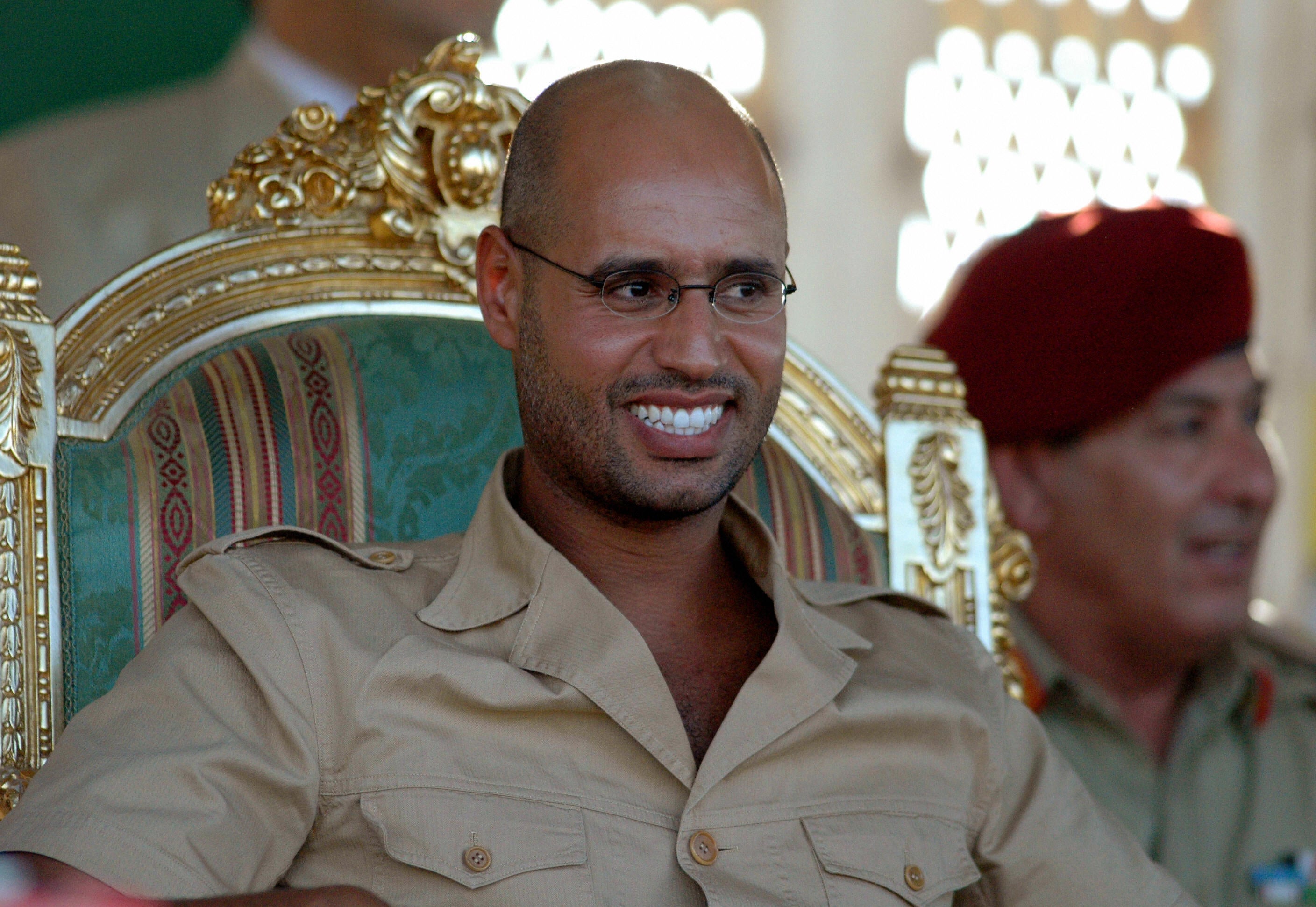
Reports suggested that Gaddafi clashed with the assailants who had shut the CCTV camera at the house “in a desperate attempt to conceal traces of their heinous crimes”.
Gaddafi’s cousin, Hamid Kadhafi, said he had “fallen as a martyr”. He also said the address of the compound was meant to be a secret.
Gaddafi was widely seen as the most influential of his notorious father’s sons and the heir apparent, till Muammar Gaddafi was ousted and killed in the October 2011 uprising.
Born in June 1972 in Tripoli, Saif al-Islam Gaddafi was the second-born son of the dictator and his second wife, Safia Farkash. He was seen as a powerful figure who had been part of his father’s inner circle, performing diplomatic roles on his behalf.
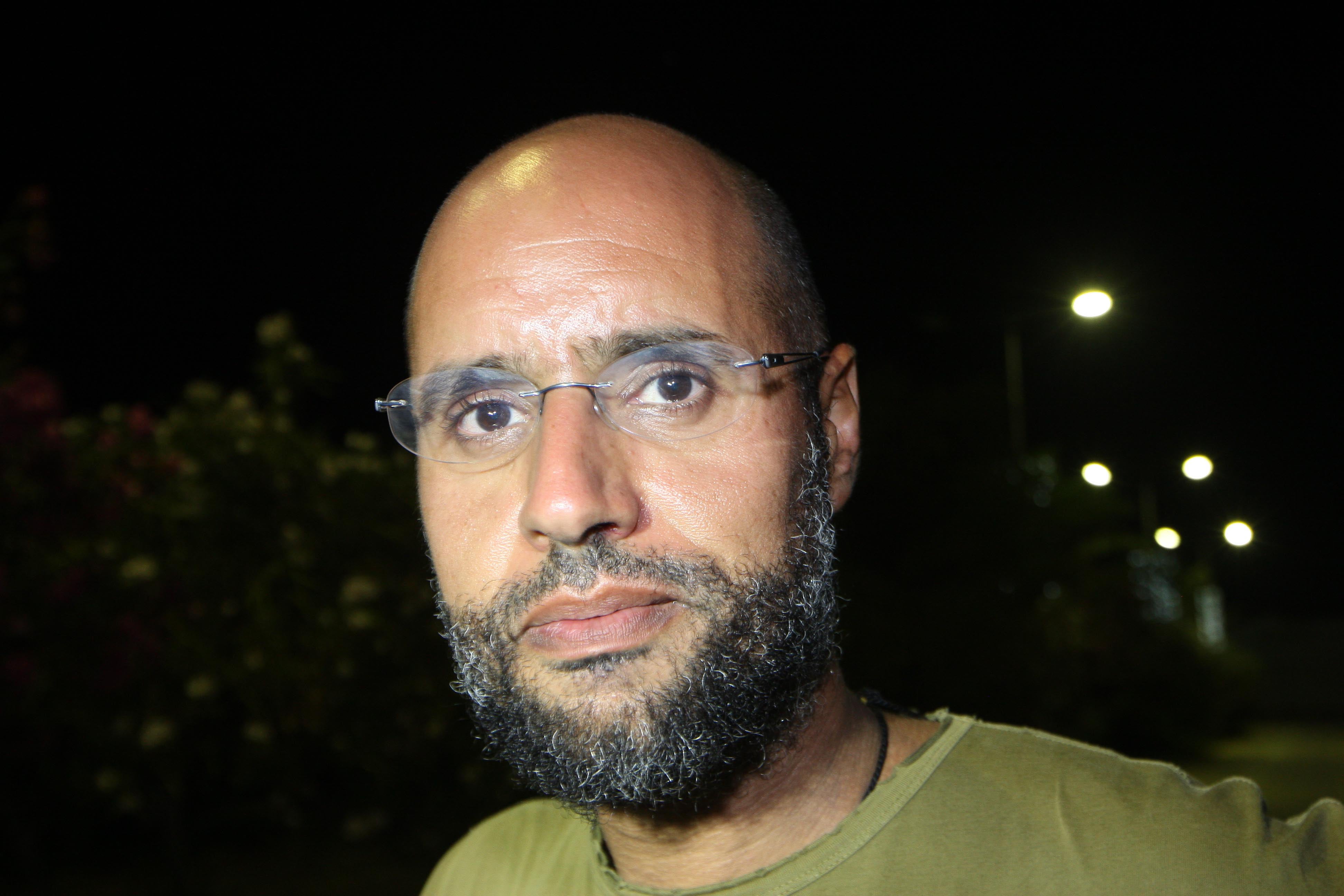
Fluent in English, he studied for a PhD at the London School of Economics and was seen as the reformist face of the Gaddafi regime.
After his father’s removal, Saif al-Islam was caught by anti-Gaddafi fighters in November 2011 and was jailed by a rival militia in the city of Zintan for almost six years. The fighters released him in June 2017 after one of Libya’s rival governments granted him amnesty. Since then, he has lived in Zintan.
In 2015, a Libyan court passed a death sentence in absentia on Gaddafi for suppressing peaceful protests and murdering protesters during the country's 2011 revolution that ended his father's rule.
He was also wanted by the International Criminal Court on charges of crimes against humanity related to the 2011 uprising.
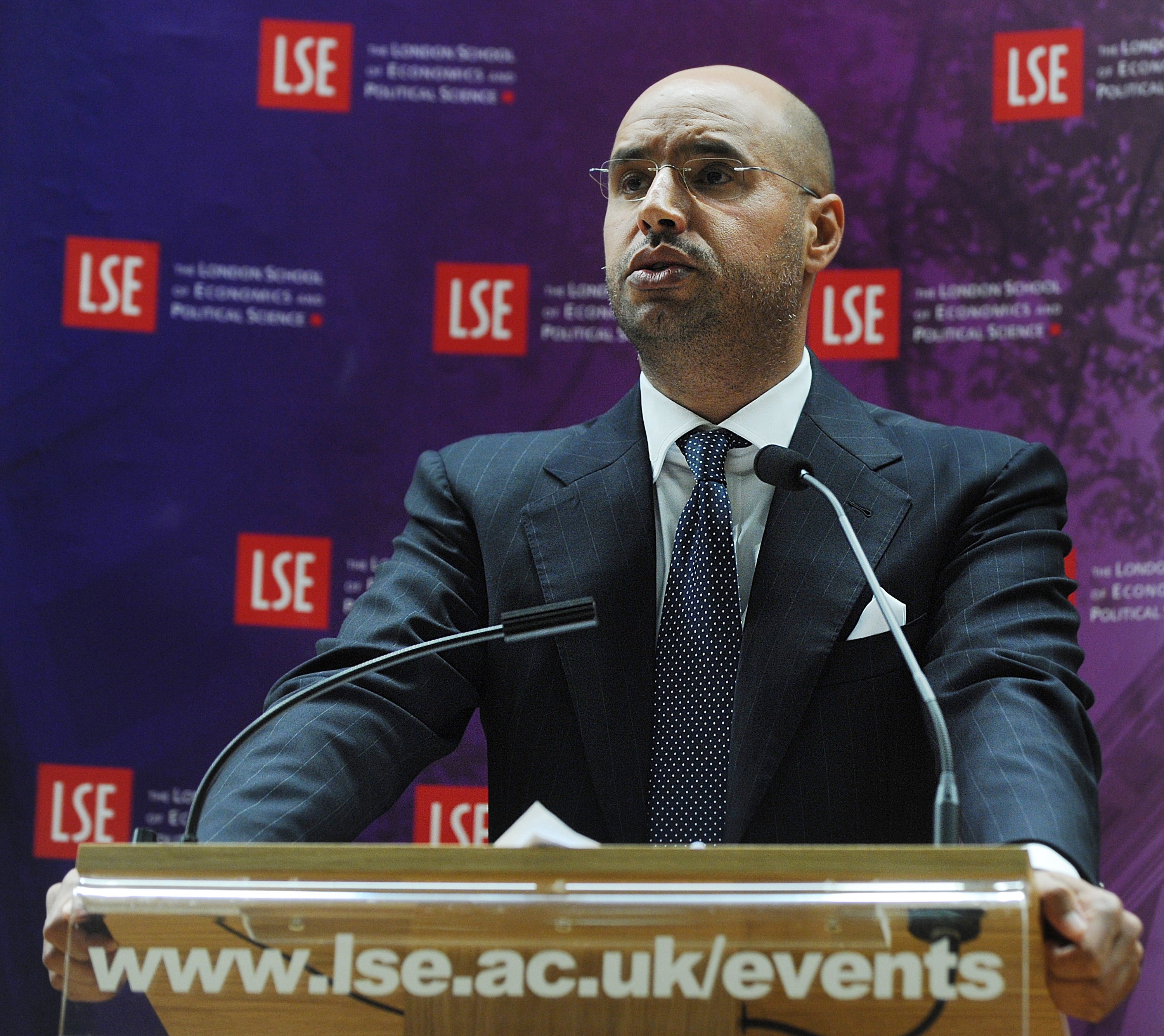
Gaddafi announced that he would run for president in the country in November 2021 in a controversial move that was met with outcry from anti-Gaddafi political forces in western and eastern Libya.
But the country’s High National Elections Committee, a body created for organising elections following the 2011 Libyan civil war, disqualified him. The elections were cancelled over disputes between rival administrations and armed groups that have ruled Libya since the bloody ousting of Muammar Gaddafi.
Since the overthrow of his father’s regime, Libya has been politically fragmented with various factions, including the UN-supported unity government, militia groups and eastern-based competing for authority, with repeated attempts at elections and reconciliation stalling.
Bookmark popover
Removed from bookmarks