Aid groups struggle to attract donors as floods devastate Mozambique
The country director for WaterAid Mozambique says it is proving much harder for aid agencies to generate funds to help than in previous crises
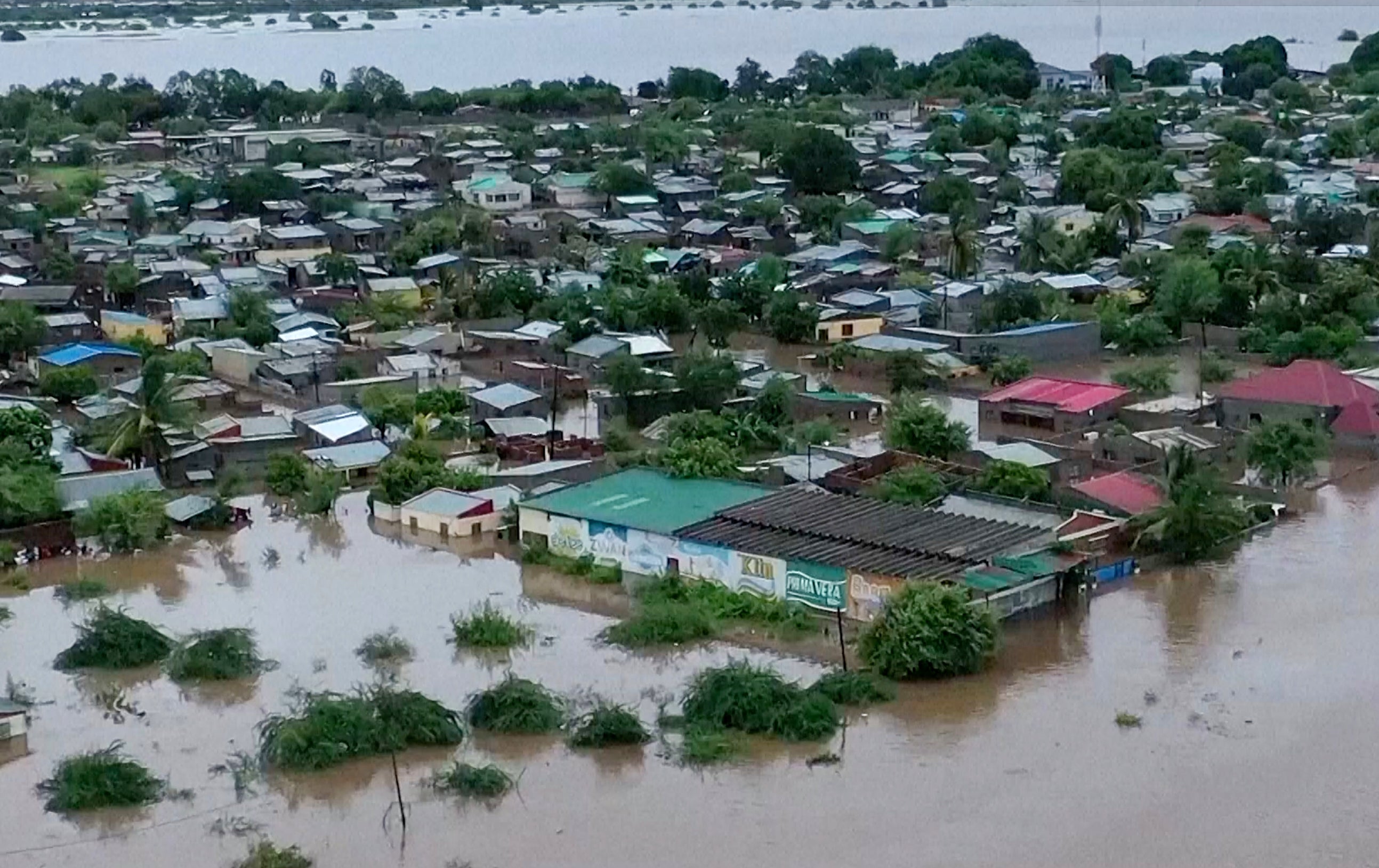
Aid agencies are struggling to attract donors to support the humanitarian response to devastating floods in Mozambique, which in recent days have flooded more than 150,000 homes and killed at least 22 people.
Mozambique is no stranger to requesting aid for climate-driven disasters, having suffered from huge tropical storms like Cyclone Kenneth, as well as a crippling drought across 2023 and 2024.
But according to Gaspar Sitefane, the director of WaterAid Mozambique, aid budgets being decimated over the past year has left a very different situation.
“In the past it was much easier to access donor support it is today,” he told The Independent. “Now, the majority of donor countries are telling aid organisations that they have other priorities and they are not able to offer support for this emergency.
“The numbers that we are seeing are just really very short of what is needed, and also less than what was received in other crises in recent years,” he added.
Mr Sitefane said that there are a lot of people in the country of 35 million who “have not received any support yet”. The situation is being made all the more complex by the fact that many of the camps where people are congregating are only accessible by helicopter at the moment, due to roads being flooded.
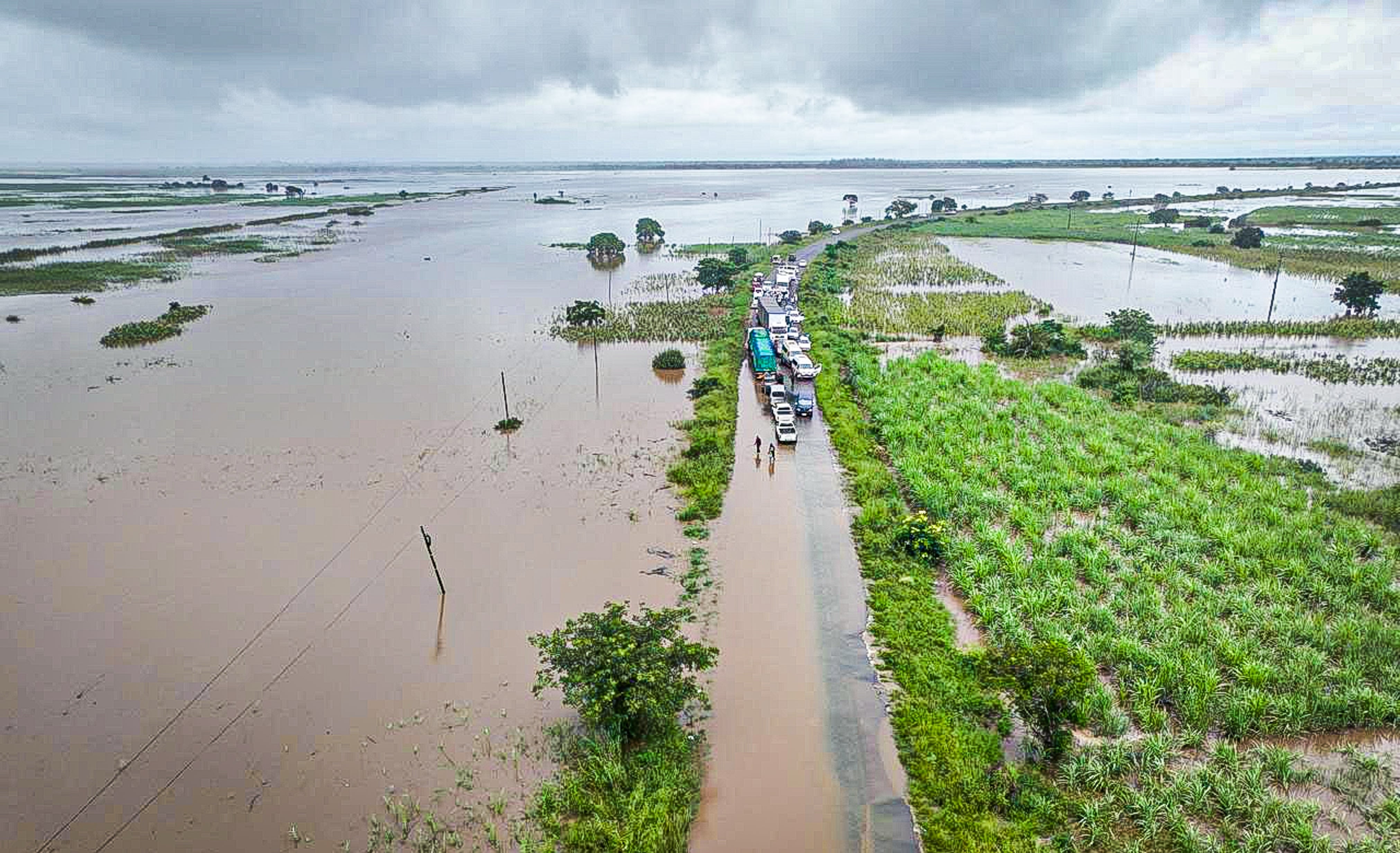
Mr Sitefane added that it does not feel right that donors should be less available than they have been, just as climate-driven weather events are becoming much more common.
“The famous floods that everyone can easily recall were in 1977 – then we had big ones again in 2000, 2015, 2023, and now 2026,” he said. “But even though these events are becoming more common, [the] aid available is reducing, which makes it harder for countries like Mozambique to respond.”
Overall, some $187 million (£136m) in humanitarian funding is required for the aid response to Mozambique’s current floods, according to the UN Office for the Coordination of Humanitarian Affairs (OCHA).
As of 26 January, the response from donor nations that has been highlighted by OCHA includes $1m from the US, $2m from Norway, and a humanitarian shipment worth $552,000 from the EU, which is set to support some 50,000 people.
“Additional funding is urgently needed to sustain and scale up the humanitarian response,” said OCHA in its humanitarian update.
“This latest disaster is a stark reminder of Mozambique’s vulnerability to the convergence of multiple shocks— including conflict, drought, cyclones in recent years, and now severe flooding—placing enormous strain on communities and response capacity.”
Other impacts recorded in the current floods include 430,000 dead livestock, and the flooding of 440,000 hectares of farmland - as well as the closure of 229 health centres and 355 schools, according to data collected from humanitarian groups.
The amount of standing water – as well as the flooded wells and boreholes – will increase the spread of water-borne diseases like cholera and malaria, Mr Sitefane said. Other worries include the availability of food in remote villages, as well as crocodiles that are swimming into towns and have so far killed at least three people, according to the national disaster management agency.
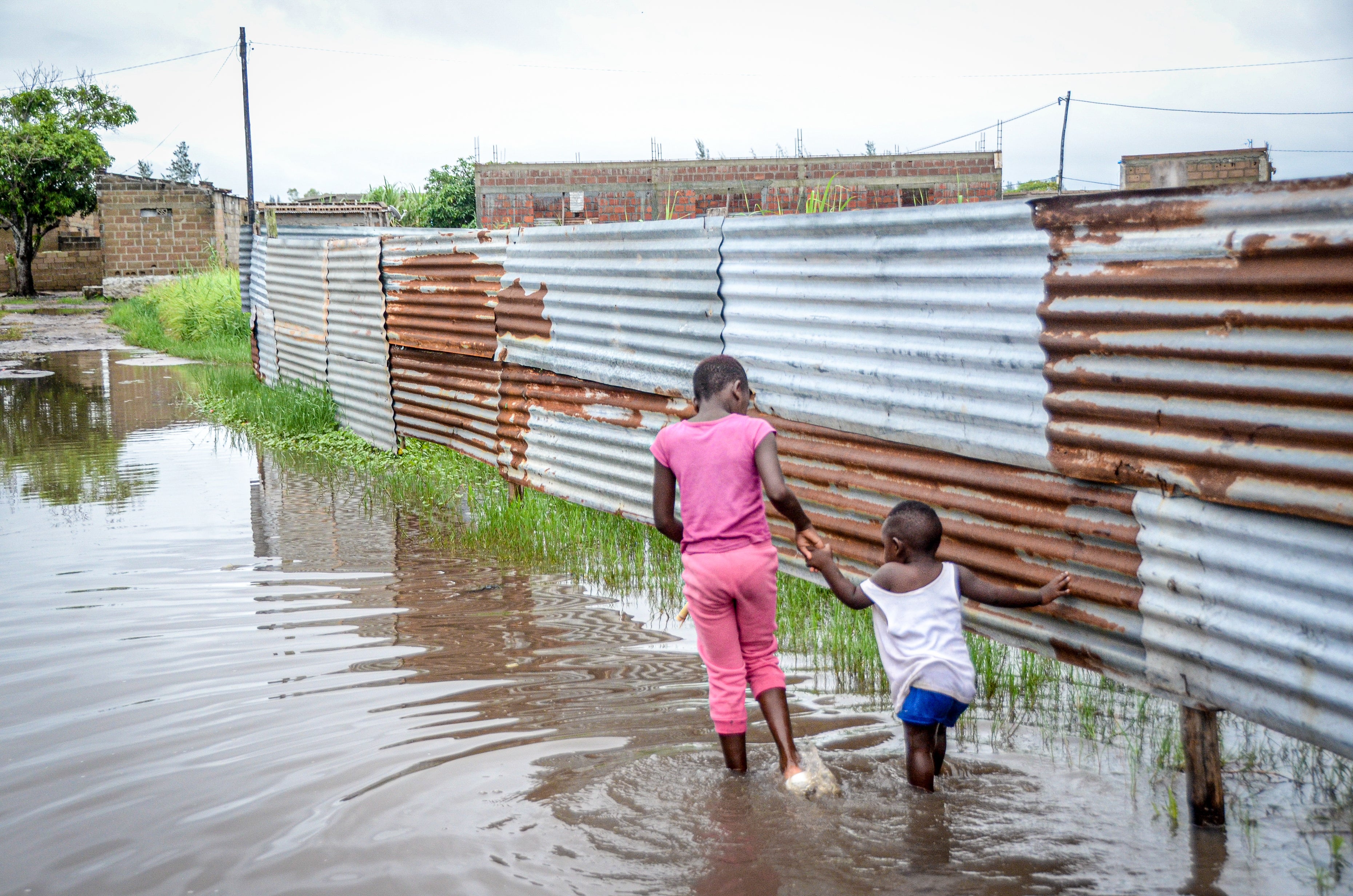
A new analysis from World Weather Attribution, which is an international group of climate scientists, found that the extreme weather that has led to flooding in Mozambique and neighbouring countries this year has become much more likely thanks to climate change.
Specifically, there has been a 40 per cent increase in rainfall severity since pre-industrial times, while the frequency of the 10-day rainfall events that have led to the flooding has also increased as the climate crisis has escalated.
“The science is clear: human-caused climate change is supercharging rainfall events like this with devastating impacts for those in its path,” said Izidine Pinto, from the Royal Netherlands Meteorological Institute.
“Our analysis clearly shows that our continued burning of fossil fuels is not only increasing the intensity of extreme rainfall, but turning events that would have happened anyway into something much more severe.”
Friederike Otto, from Imperial College London, added: “This is a textbook case of climate injustice. The people of South Africa, Mozambique, Zimbabwe, and Eswatini have not contributed to climate change, nor are they profiting from using or selling fossil fuels. Yet they are the ones losing their lives, homes and livelihoods.”
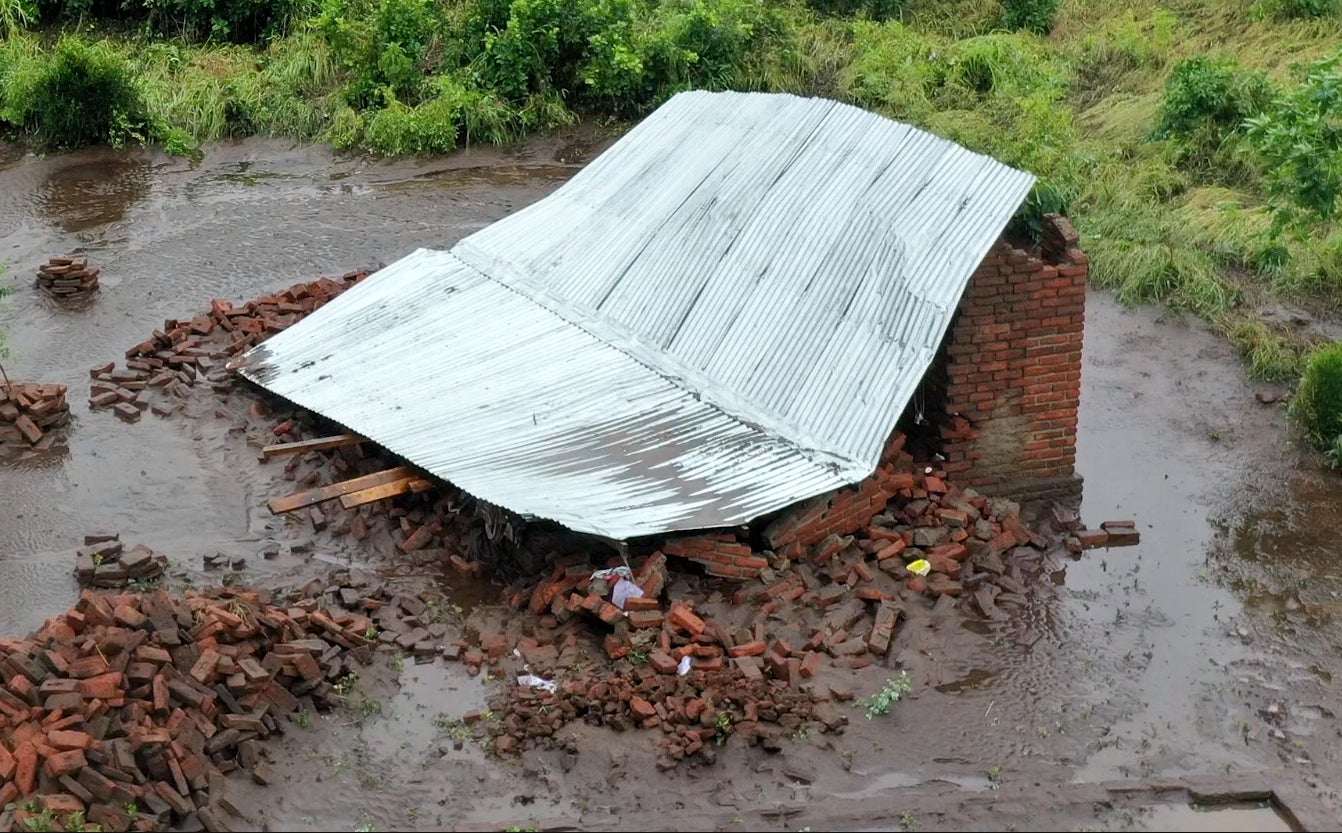
For countries like Mozambique to adapt to their new climate reality, significant amounts of money will be required for longer-term investment in resilience. According to Mr Sitefane, this is also increasingly hard to come by in the era of shrinking aid budgets – as well as the hoops that the world’s poorest countries to access the money that is available in the world’s major climate funds.
“It’s extremely difficult for organisations in Mozambique to receive money for climate adaptation projects at the moment,” he said. “There are lots of stories of organisations, and even the government, applying for climate adaptation finance and not succeeding.
“It does not seem right that Mozambique should be suffering so much from climate change, and yet it cannot access the money that should be available.”
David Miliband, the former UK foreign secretary, told The Independent this week that countries will need much more aid from rich countries to adapt to the climate crisis, with this kind of financing unlikely to be able to attract private investors.
“We need grant-based aid not just for vaccinations and to treat things like malnutrition, but also to fund climate resilience,” he said. “Protecting communities so that their livestock don’t get washed away in a flash flood is a long-term benefit that is worth funding.”
This article was produced as part of The Independent’s Rethinking Global Aid project
WaterAid’s Emergency Appeal to support communities affected by the floods in Mozambique is here
Join our commenting forum
Join thought-provoking conversations, follow other Independent readers and see their replies
Comments
Bookmark popover
Removed from bookmarks