UK prioritising foreign aid that helps fight threats to international cooperation, minister says
‘If big donors don’t back these things, then that becomes the question... then how viable is it?’ asks Jenny Chapman
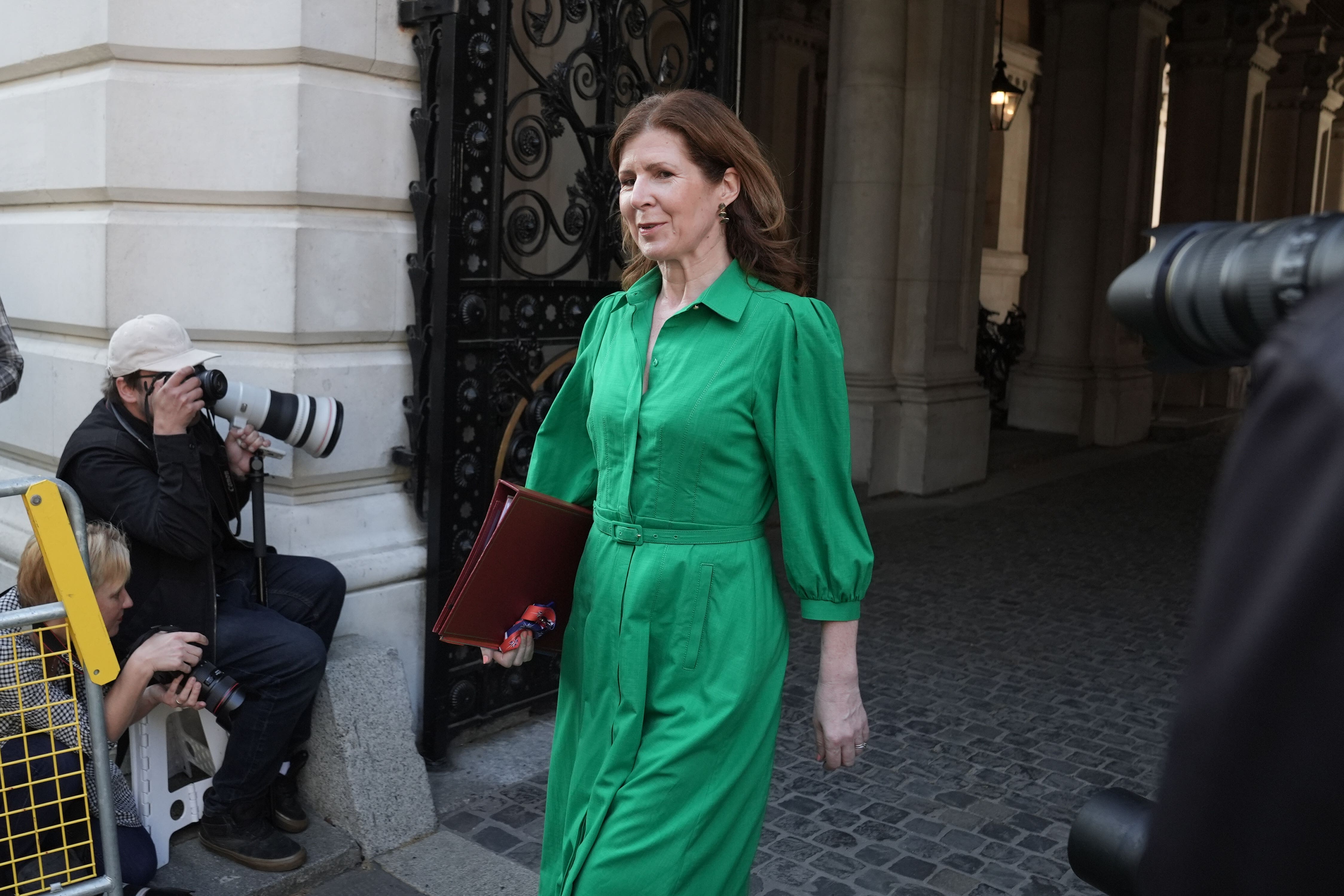
The UK is to prioritise overseas aid for multilateral institutions like the World Bank or UN in an effort to counter growing threats to international cooperation, the minister for International Development and Africa has said.
Jenny Chapman had been asked, during a session by parliament’s International Development Select Committee, for more details of where exactly the UK’s previously-announced 40 per cent cut to overseas aid will land.
Baroness Chapman said that the UK would prioritise multilateral aid in coordination with other countries – rather than bilateral aid, which flows directly from the UK to a partner nation - because “the multilateral system was under threat”, and the UK is intent on countering this.
Baroness Chapman’s comments came following a year of public criticism and funding cuts to institutions like the UN from President Donald Trump in the US. They also came as experts warned that transatlantic alliance Nato is facing an existential threat due to Trump’s posturing over needing to own the semi-autonomous Danish territory of Greenland.
“The multilateral system is coming into threat, and we can have a very long discussion about why that might be, but we feel there are some agencies that we really want to back,” said Baroness Chapman, who added that the UK’s £850m pledge for the Global Fund – a 15 per cent cut compared to the previous pledge – represented this mentality.
“If we didn’t take part [in the refinancing] then how viable is it?” she added. “If big donors don’t back these things, then that becomes the question.”
The minister added that backing multilateral institutions like the World Bank allows the UK to make “big changes” with its aid programme that would not be possible were it operating alone. Multilateral programmes also allow the UK to leverage networks on the ground that it might not otherwise have access to, with Baroness Chapman specifically citing the Africa Development Bank’s network in war-torn Sudan as crucial to the UK’s aid efforts in that country.
The minister added, too, that the UK has been able to use its influence at the World Bank to keep pushing aid areas that other countries might no longer be prioritising.
“Two [areas] that have come under most threats I think of late would be [to] gender[based programmes] and climate [programmes] where we've been very clear what we think and what we expect, and have been able to act as a counterweight to some of the other pressures on the bank [in these areas],” she said.
The development sector is keenly awaiting news of where exactly UK aid cuts will fall, with the government’s original deadline for announcing aid programme allocations having passed last year.
When asked about news of aid allocations on Tuesday, Baroness Chapman said that allocations for the next three years of UK aid spend would be coming “as soon as possible”.
The latest delay, the minister added, was due to changes that have been made following findings from a recent impact assessment of the cuts.
A previous impact assessment from July last year saw the government admit that slashing foreign aid spending will likely see global deaths rise – as it confirmed the cuts will fall disproportionately on women and girls’ education and on projects across Africa.
This article was produced as part of The Independent’s Rethinking Global Aid project
Join our commenting forum
Join thought-provoking conversations, follow other Independent readers and see their replies
Comments
Bookmark popover
Removed from bookmarks