Why are Tesco and Sainsbury’s calling on Rachel Reeves to make a fresh U-turn on tax?
Archie Mitchell looks at why businesses are criticising the government’s business rates reforms, and whether they are likely to change


Rachel Reeves is facing a fresh rebellion, but this time, the opposition is coming from Britain’s biggest supermarkets, not the Labour back benches.
Tesco and Sainsbury’s have joined forces with pubs, restaurants and other hospitality businesses to warn the chancellor against a planned £1.7bn tax raid on the industry.
The Independent looks at what the businesses are worried about, and whether their warnings are likely to be heeded.
What is the tax raid?
The grocery giants’ intervention focuses on the chancellor’s plans to overhaul the business rates system.
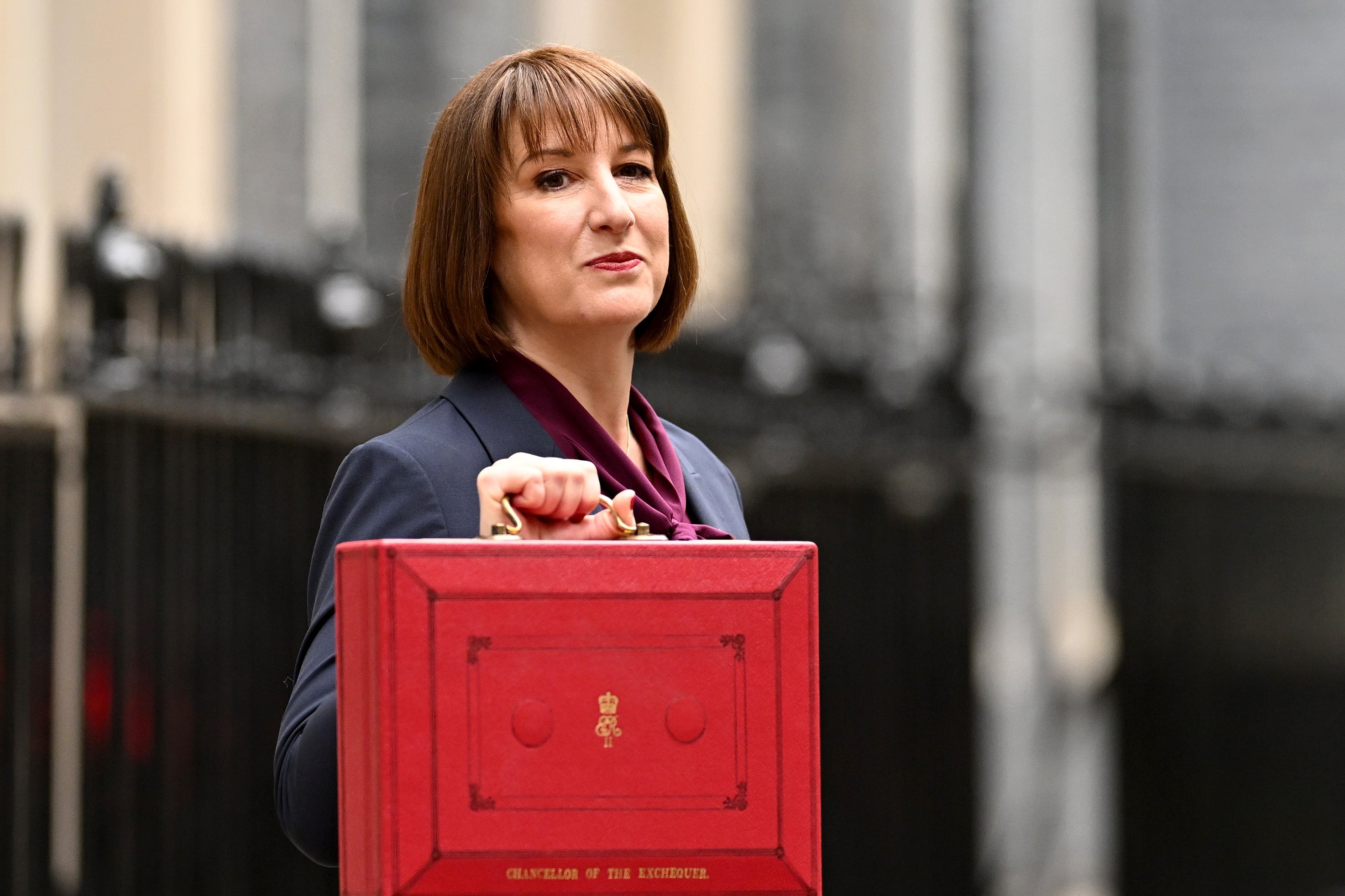
Changes outlined by Ms Reeves in her Budget last October will lead to higher payments for department stores, big supermarkets and other businesses with larger sites.
At the time, the chancellor said she was creating a “fairer business rates system” by permanently lowering payments for high street retail, hospitality and leisure properties.
To fund lower rates for businesses worth less than £500,000, Ms Reeves outlined plans for those worth more than £500,000 to pay a higher rate. The government is also scrapping a relief enjoyed by the companies, granting them 40 per cent off their business rates bills up to £110,000, which currently costs the Treasury £1.7bn a year.
“This measure will provide certainty and support for the high street,” the government said at the time.
What do critics say?
Tesco chief executive Ken Murphy told The Telegraph that the changes will threaten “investments in customers, colleagues and communities”.
“Increasing the burden on large shops would hinder rather than help our town centres. Many of these shops are anchor stores in their local communities,” the retail chief added.
And Sainsbury’s boss Simon Roberts said big retailers, already struggling with higher national insurance contributions and the minimum wage hike, would “pull away from our high streets”.
He told the paper: “The changes being proposed will further increase the negative impact of business rates and won’t stimulate the growth or investment into our high streets and jobs that we all want to see.”
The British Retail Consortium (BRC) estimates that around 4,000 large retailers will be hit by the changes. It argues that these “anchor stores” drive footfall and help sustain surrounding businesses and communities.
What do they want changed?
The BRC wants the government to exclude shops from the higher rate payment, the level of which is set to be unveiled in the autumn Budget and take effect from next April.
Funding the exemption of shops would require smaller retail, leisure and hospitality firms to pay slightly more.
Will the government listen?
It is rare for the likes of Sainsbury’s and Tesco to publicly speak out against government policy, and the intervention is a sign of the growing frustration among retail and hospitality bosses at Ms Reeves and Sir Keir Starmer.
The industry has already been hit with national insurance hikes, a minimum wage increase and is bracing for the imposition of Angela Rayner’s employment rights shake-up.
Pub bosses have warned they are already seeing record closures and the business rates reforms will cause more to shut down.
Labour came to power with a promise to govern as a party of business, and the Treasury will certainly take note of the retailers’ calls.
However, with the chancellor already under pressure to raise as much cash as possible in her next Budget, any move that critics could paint as a bung to big business will prove politically difficult.
A Treasury spokesperson said: “We are a pro-business government that is creating a fairer business rates system to protect the high street, support investment, and level the playing field. To deliver our manifesto pledge and provide certainty and support to the high street we intend to introduce permanently lower tax rates for retail, hospitality, and leisure properties from next year.
“Unlike the current relief for these properties, there will be no cash cap on the new lower tax rates, supporting some of Britain’s most loved high street chains to continue to create jobs and grow the economy. The tough but necessary decisions we’ve taken on tax mean we could protect working people’s payslips from higher taxes, invest record amounts into the NHS, defence and other public services while keeping bus fares at £3 and expanding free school meals.”
Join our commenting forum
Join thought-provoking conversations, follow other Independent readers and see their replies
Comments
Bookmark popover
Removed from bookmarks