Why is Labour filling the House of Lords with its own peers?
An influx of new life peers should better reflect the last general election result, but, as Sean O’Grady explains, there are other factors behind this eyebrow-raising list of new lords


There must be some irony, if not perhaps a hint of spite, in the fact that the House of Lords is causing the government some legislative difficulty just as the very last of the hereditary peers are shuffling out of the chamber.
Their places are to be taken by a new set of 34 peers, overwhelmingly Labour in their allegiance. It has all caused a bit of a kerfuffle in their lordships’ house.
Why are so many of the new peers Labour?
First, prime ministers formally nominate peers, and there is a natural tendency to show favouritism, leading to the perception that such positions are influenced by party political factors, including donors.
Second, Labour’s landslide majority in the Commons – alongside the Tories’ correspondingly denuded numbers – gives rise to a feeling that an influx of Labour-leaning Lords might better represent the broader political picture. Even with the addition of 25 new Labour peers, against three for the Conservatives, five for the Liberal Democrats and one crossbench member, the Tories will still be the largest single party in the Upper House.
At the moment they hold 282 seats compared with Labour’s 209, and there are 75 Liberal Democrats. If the Tories combine with crossbenchers (177) and non-affiliated peers (40), they can easily delay or amend legislation passed by the Commons.
Is there a problem at the moment?
Yes. The Employment Rights Bill should have been passed by now, but the Lords are being stubborn about certain clauses while having to support the bill as a whole. So the legislation has been the ball in a game of ping-pong as amendments are passed and rejected continuously by the Lords and Commons. The last argument was over a new government amendment that would remove limits on compensation for successful claims at employment tribunals.
There’s also the Assisted Dying Bill. Although this is not a government bill and did not appear in Labour’s manifesto, it has been passed by the Commons and has significant public support. The sheer volume of amendments being tabled in the Lords threatens its passage. There are mixed views about this bill in government circles.
Wasn’t Labour supposed to be abolishing the Upper House?
Yes – but, not for the first time, it has found more pressing things to do. Parliamentary reform can consume ministerial time, energy and political capital in a grossly disproportionate fashion. The last attempt to make a radical change to the Lords was under the Wilson government in 1968, when an unlikely alliance between Michael Foot and Enoch Powell saw off the reformers. In 1999, Tony Blair gave up on further reform after getting most of the hereditary peers out.
The 2024 Labour manifesto was more ambitious and stated: “Labour is committed to replacing the House of Lords with an alternative second chamber that is more representative of the regions and nations. Labour will consult on proposals, seeking the input of the British public on how politics can best serve them.” No sign of any such consultation, although the promise to unseat the last of the birthright peers left behind by Blair has now been honoured.
What will the new peers do?
They are there to scrutinise and improve laws, share any specialist expertise, interrogate ministers, and defend the constitution, even if – or rather, because – they are unelected and often more independently minded than their counterparts in the Commons.
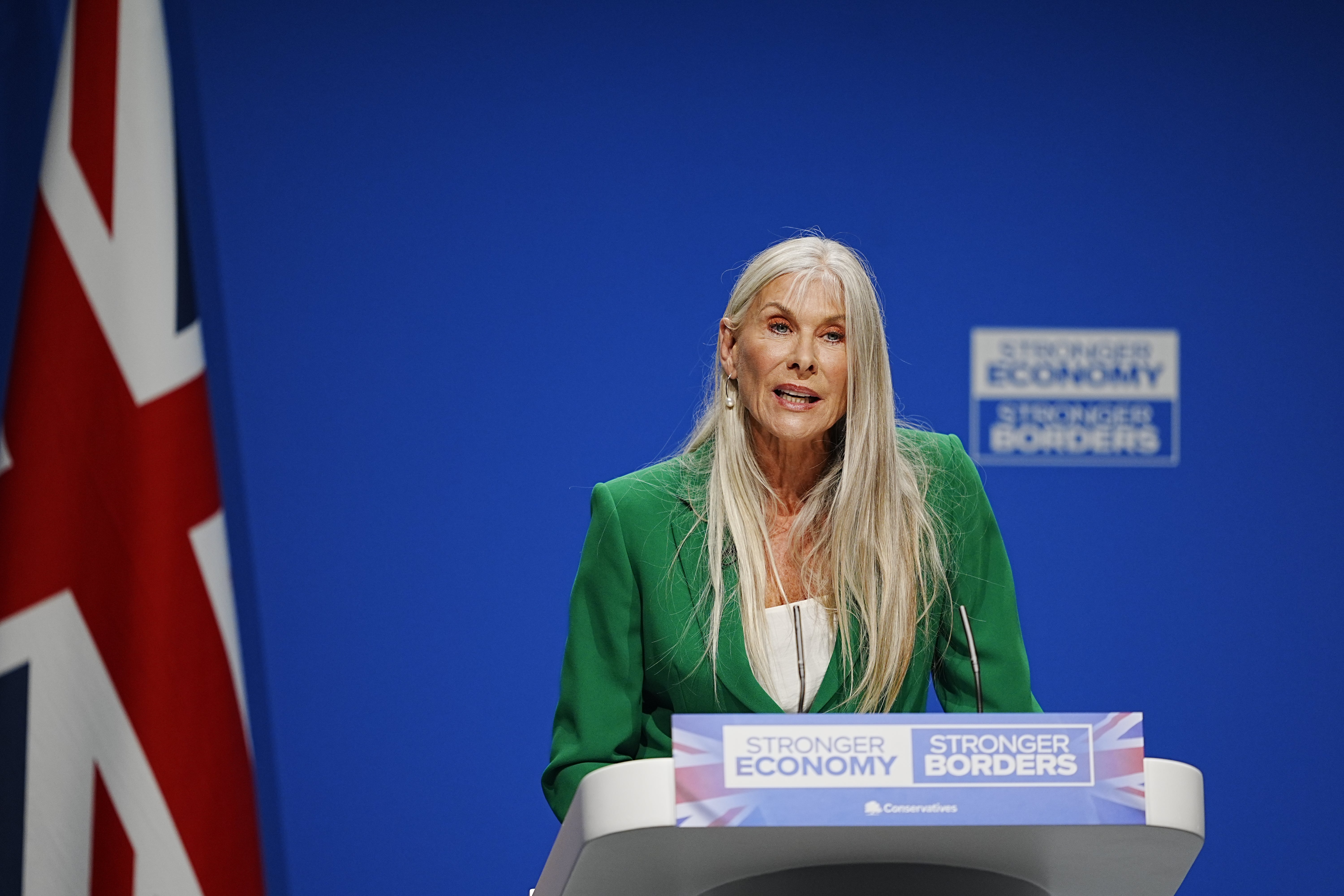
Some of the Labour nominees are also expected to become ministers or auxiliary spokespeople for the party leadership. Sharron Davies, for example, will no doubt be closely involved in discussions about women’s rights as well as broadly representing the Conservative viewpoint, while Tory peer Simon Heffer – who is not a former professional athlete – will make a fine ornament for the upper chamber. As if to make some sort of point about the value of inherited wisdom, the Liberal Democrats are recycling the 6th Baron Addington and the 7th Earl Russell as life peers.
There is surely a delightful irony in the fact that it was a Liberal government that began the glacial process of reforming the House of Lords more than a century ago, in the time of Asquith and Lloyd George. The Parliament Act of 1911 was supposed to be the first step on a rapid road to abolition, taking away the peers’ powers over the Budget. According to the preamble: “It is intended to substitute for the House of Lords ... a second chamber constituted on a popular instead of hereditary basis, but such substitution cannot be immediately brought into operation.”
It is still intended, and we’re still waiting.
Join our commenting forum
Join thought-provoking conversations, follow other Independent readers and see their replies
Comments
Bookmark popover
Removed from bookmarks