Why are local elections being delayed – and will it harm Reform?
The wheels of yet another local government shakeup are about to start turning, but slow delivery risks a democratic deficit, as Sean O’Grady explains

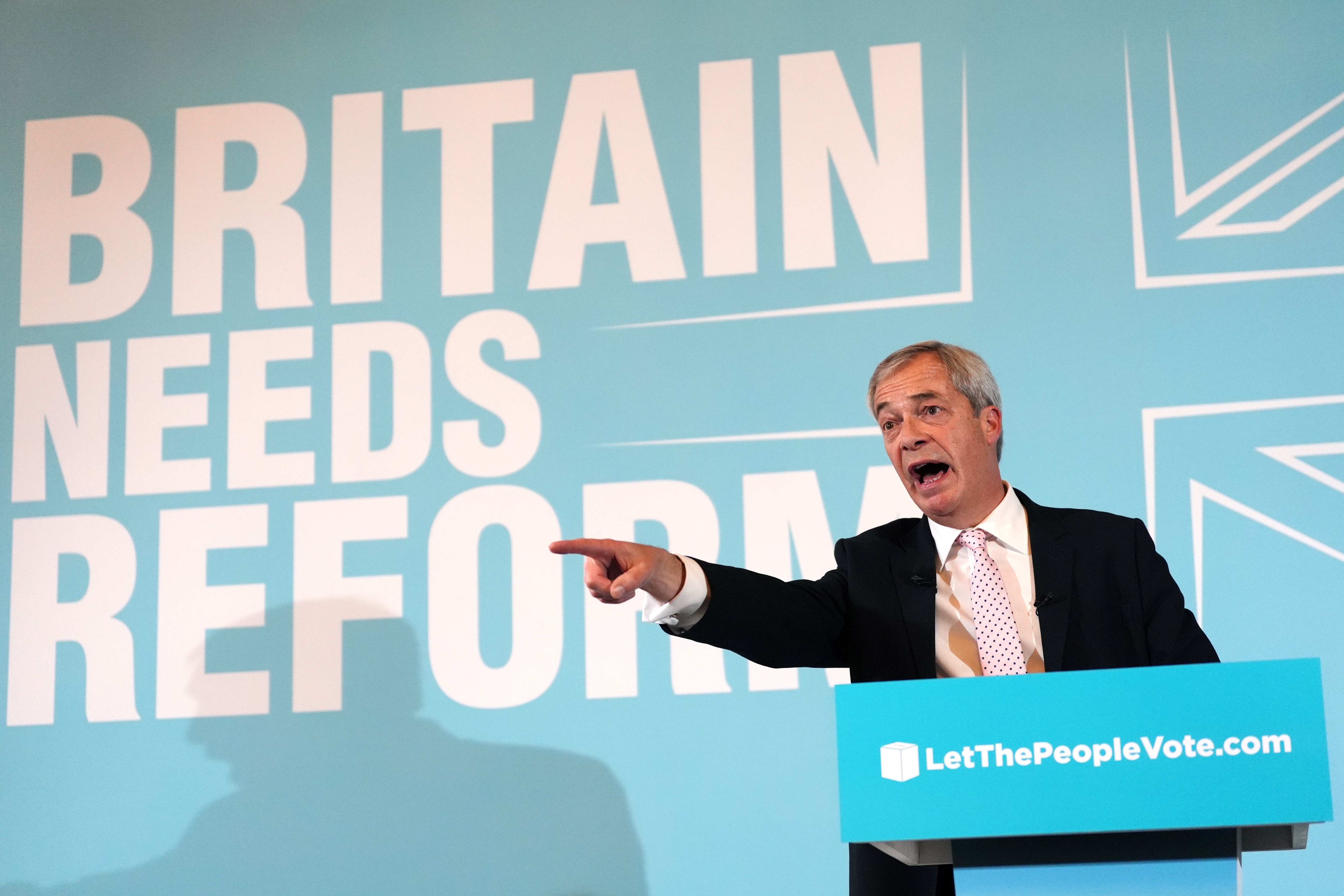
Like asking turkeys if they’d like to postpone Christmas, the government has written to a number of Conservative and Labour local authorities to see if they’d like to push May’s elections back to 2027. In some cases this means a further postponement for contests that were first due in 2025, meaning those councils will have been unchanged for seven years, somewhat stretching the democratic elastic. Certain new directly elected mayoralties in new merged authorities won’t be chosen by the electorate until 2028. Some say it’s a democratic outrage.
Why is this happening?
Nominally, it’s because of the latest complicated reorganisation of local government in England. Rather than holding fresh elections for authorities that are just about to be abolished, the government favours extending the term of existing councillors until the new authority is created, for administrative convenience and to save money. The minister for local government, Alison McGovern, says “multiple” authorities had asked for a postponement, complaining of running “resource-intensive” elections for defunct bodies while also setting up the new strictures.
Is that the only reason?
Some are suspicious that baser motives are in operation. Reform UK, which has enjoyed success in many areas since the last general election and is riding high in the opinion polls, would no doubt win many of the contests due to be held in May. Nigel Farage certainly does think there’s foul (or maybe fowl) play: “Turkeys don’t vote for Christmas. Tory county councils look set to collude with Labour to keep their control until 2027. Only a banana republic bans elections, that’s what we have under Starmer.”
Is this council reorganisation necessary?
It’s highly debatable, as successive waves of amalgamation and disassembly don’t seem to have made much material difference to the quality of local services or to improving local accountability. After centuries of stability, with some reforms in the 1880s, the historic English councils were radically reordered in 1974 and again in 1995, before high-profile, directly elected mayors and combined larger authorities appeared in the 2010s. Now, various “two-tier” areas with boroughs and county councils are being restructured in another attempt at consolidation.
Efficiencies aside, such instability is probably a bit of a negative, and there is ongoing resentment about the disappearance of long-established identities such as the Yorkshire ridings, Rutland, Middlesex, Sussex and Huntingdonshire, for example. Meanwhile, newer creations have sometimes had pathetically brief lives: Avon and Cleveland, for example, lasted for about 20 years. Great cities such as Sheffield and Leicester lost their status in the 1970s but regained unitary authorities in the 1990s, while others, such as Norwich, did not. Bristol had a directly elected mayor from 2012, but changed its mind in 2022. It has left a bewildering patchwork of structures.
Would Reform UK win all the new councils?
No, but, like the Greens, they’d make gains. It all adds to the bulk of the movement – sitting councillors boost local parties – and the sense of momentum. That said, the mixed record of Reform councils and their controversial attempts to mimic Elon Musk’s Doge cost-cutting experiment (itself no great success) has raised questions about the party’s competence in power. Slowing its progress might prove beneficial if Farage can filter out the more eccentric candidates and do a bit more prep before trying to run financially stressed public services.
Join our commenting forum
Join thought-provoking conversations, follow other Independent readers and see their replies
Comments
Bookmark popover
Removed from bookmarks