Delayed elections – who are the likely winners and losers?
Dozens of councils are abandoning planned polls this year, denying millions the right to vote. Sean O’Grady looks at who is affected and where it might make a difference

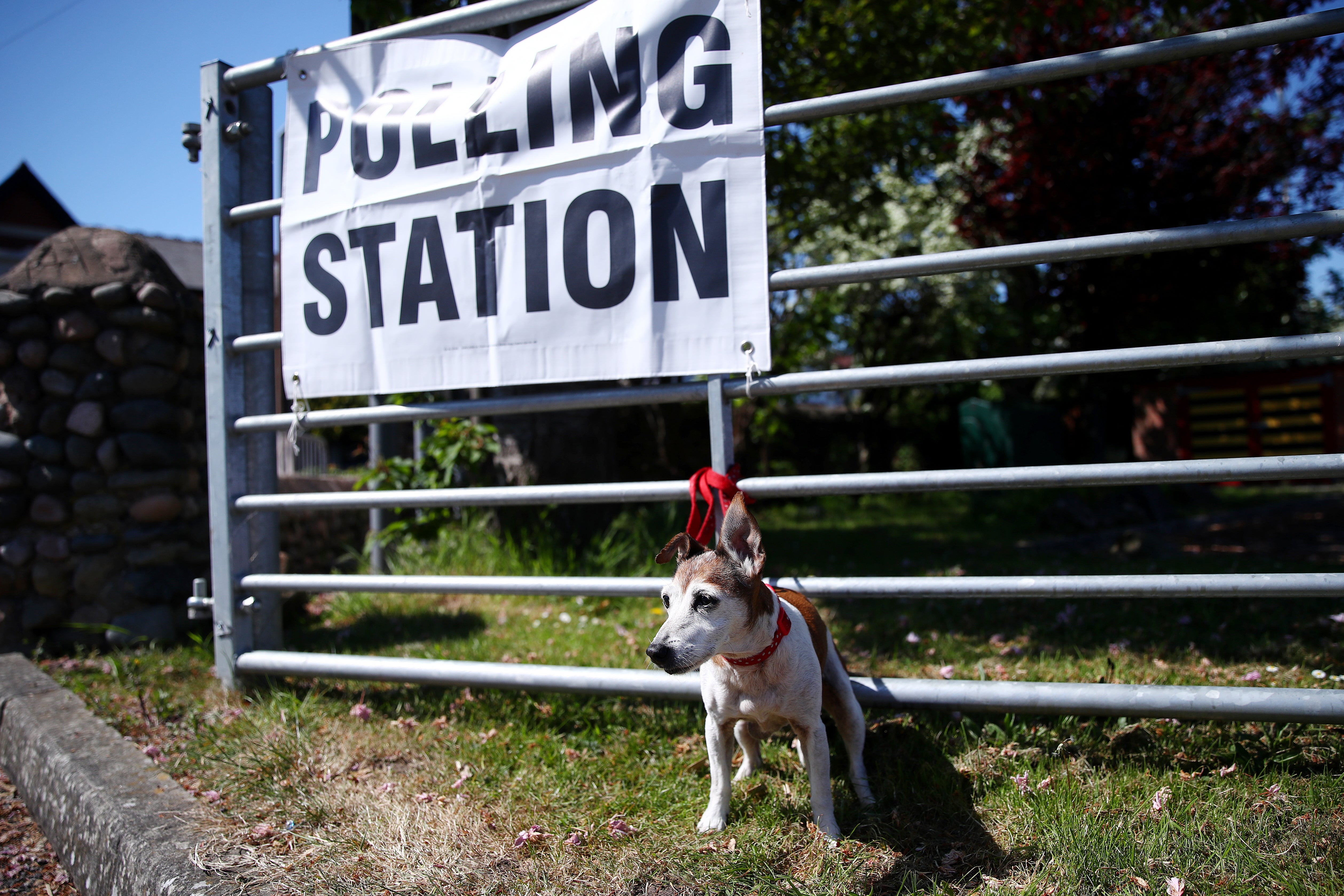
A big round of elections due on 7 May will be by far the most substantial test of national political opinion since the 2024 general election. “Real votes in real ballot boxes,” as the politicians say. However, a number of councils in England have been offered – and some have accepted – a delay to polling because of a simultaneous reorganisation of local authorities.
Some councils will postpone elections due to the extra administrative burdens and costs being imposed on staff and councillors, or even cancel them altogether in cases where authorities are soon to be abolished.
Who’ll be voting?
Everyone in Scotland and Wales for the Scottish parliament and the Senedd, respectively, plus plenty of mayoralties and local authorities in England, including all the London boroughs. Eligibility for these contests is generally wider than for general elections, so more EU, Commonwealth and other citizens can vote; you can vote twice in different areas if you live in different places (eg, students). In Scotland and Wales, 16- and 17-year-olds can also vote. Photo ID is still needed.
Who won’t be voting?
Estimates of the number of voters affected by delays or cancellations vary from 2.5 million to 4 million – although local elections tend to have turnouts of well under 50 per cent. (In Northern Ireland, and areas of England where no contest was due, nobody was voting anyway.)
Are there precedents?
There are some. Westminster elections were postponed for the duration of the two world wars, for example. In 1985, the last round of elections for the Greater London Council wasn’t held because the government had already decided to abolish the authority from 1986 (and, arguably, the contest would have acted as a referendum on the Thatcher administration’s decision). But past major reorganisations, in 1974 and in 1995, were better synchronised with the electoral cycle. The current reorganisation of counties, districts and combined authorities is much more piecemeal and gradual.
Who is still getting elected?
Some 5,036 council seats in the 136 English authorities still holding contests are up for grabs, including all 32 London boroughs, 32 metropolitan boroughs, 18 unitary authorities, six county councils, 50 district councils and six directly elected mayors (not London, by the way). Plus 96 members of the Senedd and 129 MSPs for Holyrood.
Who is cancelling elections?
As far as can be judged – there’s no central official record – more than a third of eligible councils in England have taken up the government’s offer of a delay in voting until 2027, probably, by which point the new councils will have been set up. So, of the 63 local authorities eligible for a postponement, 25 have indeed requested a delay, 36 are going ahead, and two haven’t declared. Most of the areas cancelling polls are Labour-controlled, two are Conservative-controlled, and one is Liberal Democrat.
The following 25 are scrapping their poll altogether; in many cases, sitting councillors will simply serve an extra year:
- Adur Borough Council
- Basildon Borough Council
- Blackburn with Darwen Council
- Burnley Borough Council
- Cheltenham Borough Council
- Chorley Borough Council
- Crawley Borough Council
- East Sussex County Council
- Exeter City Council
- Hastings Borough Council
- Hyndburn Borough Council
- Ipswich Borough Council
- Lincoln City Council
- Norwich City Council
- Nuneaton and Bedworth Borough Council
- Pendle Borough Council
- Peterborough City Council
- Preston City Council
- Redditch Borough Council
- Rugby Borough Council
- Stevenage Borough Council
- Tamworth Borough Council
- Thurrock Council
- West Sussex County Council
- Worthing Borough Council
In addition, four new combined authorities with directly elected mayors have been delayed once again, until 2028: Greater Essex; Hampshire and the Solent; Norfolk and Suffolk; and Sussex and Brighton.
What will be the political impact?
Purely from the pattern of the cancellations, Reform UK is the main loser; it will miss opportunities to extend its influence in local government in England and build more momentum. Nonetheless, it is still set to make some impressive gains across the country, most notably in Wales and, to a lesser degree, Scotland.
More broadly, in line with national polls, the Greens will also do well, as will Plaid Cymru; while Labour and the Conservatives will both be hit hard. That’s because they both enjoyed far higher levels of support when the seats were last contested, in 2021 or, mostly, 2022. At that point, the local elections delivered 35 per cent for Labour and 30 per cent for the Tories on an equivalent notional national vote share, versus, say, 15 to 20 per cent in the opinion polls now. The Lib Dems and SNP will probably “break even”.
It is clear that 7 May will be a bit of a disaster for the two main parties, confirming the current multi-party system.
Join our commenting forum
Join thought-provoking conversations, follow other Independent readers and see their replies
Comments
Bookmark popover
Removed from bookmarks