Can Labour still solve the housing crisis?
The party has promised 1.5 million new homes during this term. Is that a realistic target, asks Sean O’Grady

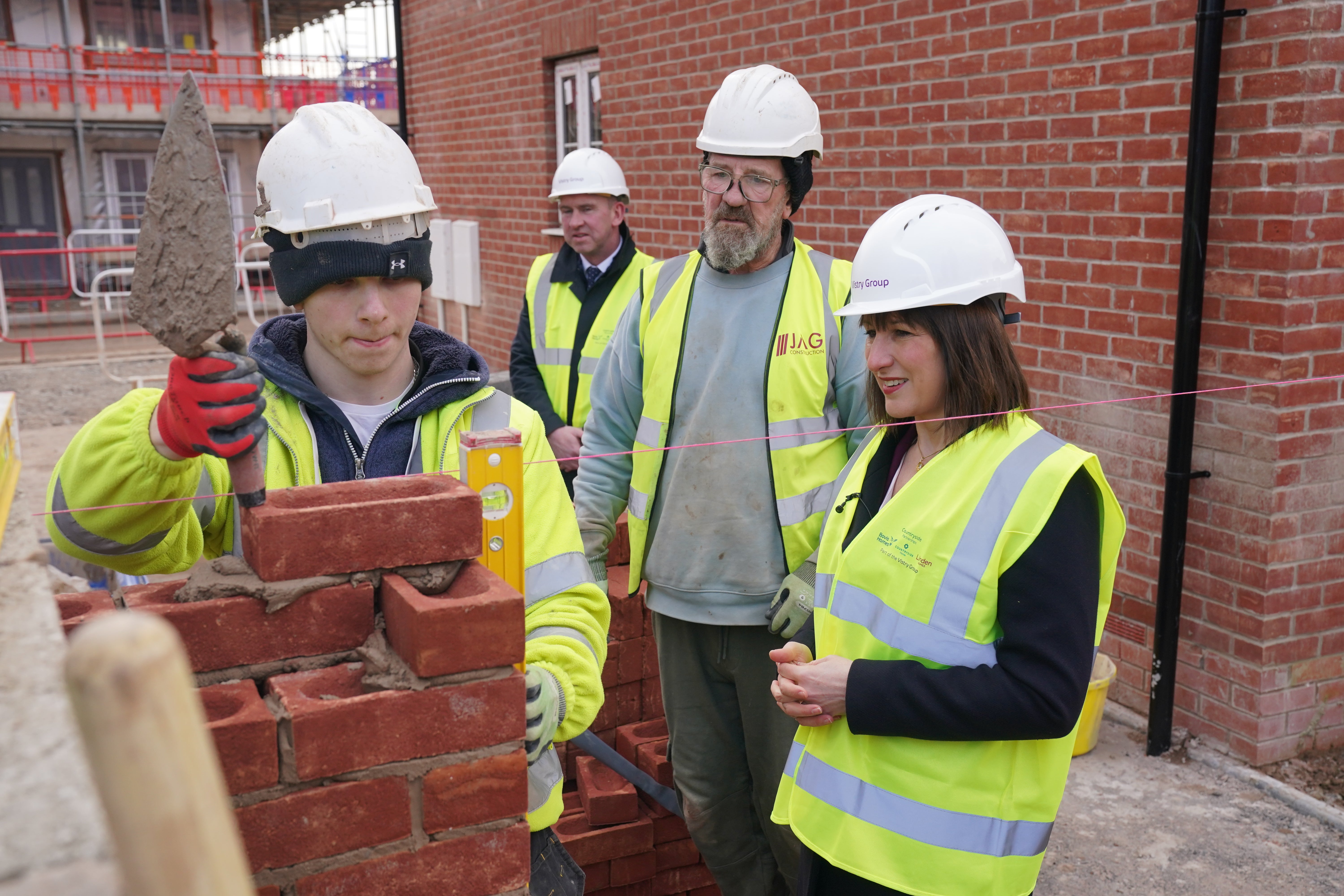
Can Labour solve the housing crisis? There’s some doubt. The Home Builders Federation (HBF), a trade body, has told the Office for Budget Responsibility (OBR) that the official target of 1.5 million new homes by the end of the current parliament is “extremely ambitious” without further changes to policy.
Meanwhile, the Renters’ Rights Act, another flagship Labour policy, has become law, but its longer-term effects remain to be played out fully. The net result could still be that Labour can see the benefit of its own reforms, but it’s far from certain…
Will the extra homes get built?
Discounting a certain amount of vested interest, the HBF has a point about the target. While it endorses the government’s efforts to push through planning reforms, it warns that demand won’t actually exist without additional assistance for first-time buyers or changes to taxes such as stamp duty.
The OBR has thus far estimated that 1.3 million of the planned 1.5 million will be completed, and in any case 1.5 million was always a punchy target. So much so that Angela Rayner, in charge of the policy while Labour was still in opposition, thought it was practically impossible to achieve. Progress has been relatively slow. In 2024, there was even a 7 per cent fall in the number of new-build completions, to a mere 124,144. In London, there’s been a relaxation in the quota for social housing set for developers.
Nonetheless, the national target remains in place. Rayner’s replacement as housing secretary, Steve Reed, declares: “I want us to build, baby, build, so we can put the key to a decent home into the hands of every single family that needs it. We are doubling down on our plans to unleash one of the biggest eras of building in our country’s history and we are backing the builders all the way.”
What might help reach the target?
Even looser planning rules; fewer environmental constraints; taxes on undeveloped land; reduced requirements to build social housing; more funding for local government to build social housing directly; cuts in stamp duty, particularly for first-time buyers; lower interest rates; unchanged limits on cash ISAs that lenders use to fund mortgages; and state guarantees to lenders against any future fall in values.
What about the rumoured ‘mansion tax’?
Difficult to say as it would operate at the very high end – reportedly on properties worth £2m or more. A trend toward downsizing might create a ripple effect of lower prices than would otherwise prevail.
And for renters?
They will certainly have better rights, especially on “no fault” evictions, standards of rental properties, and rent levels. But new burdens of taxation, insulation costs, and financial reporting may further reduce the number of landlords and thus the supply of rental homes (though if landlords sell up, it might make starter homes more affordable).
What are the fundamentals?
Demand for homes will remain high. On existing trends, the total number of households in England will rise by 10.3 per cent to 25.9 million in mid-2032. With an ageing population, these will tend to be for older folk and skewed towards the south-east of England. For those of working age, dismal growth in real earnings – and thus affordability – will probably slow things, but supply will continue to be stymied by skills shortages.
Who’s got the political advantage?
For renters, who tend to be younger and poorer, Labour has produced the best policy, though how well its reforms work in practice remains to be seen. For buyers and movers, and those looking to buy the most pricey places, the Tories’ plan to abolish stamp duty is undoubtedly a vote-winner and would loosen up the market as well.
Join our commenting forum
Join thought-provoking conversations, follow other Independent readers and see their replies
Comments
Bookmark popover
Removed from bookmarks