Some politicians want to ban lying – but why bother?
Labour in Wales wants to outlaw political fibs. Sean O’Grady asks if we really want a world without constructive ambiguity?

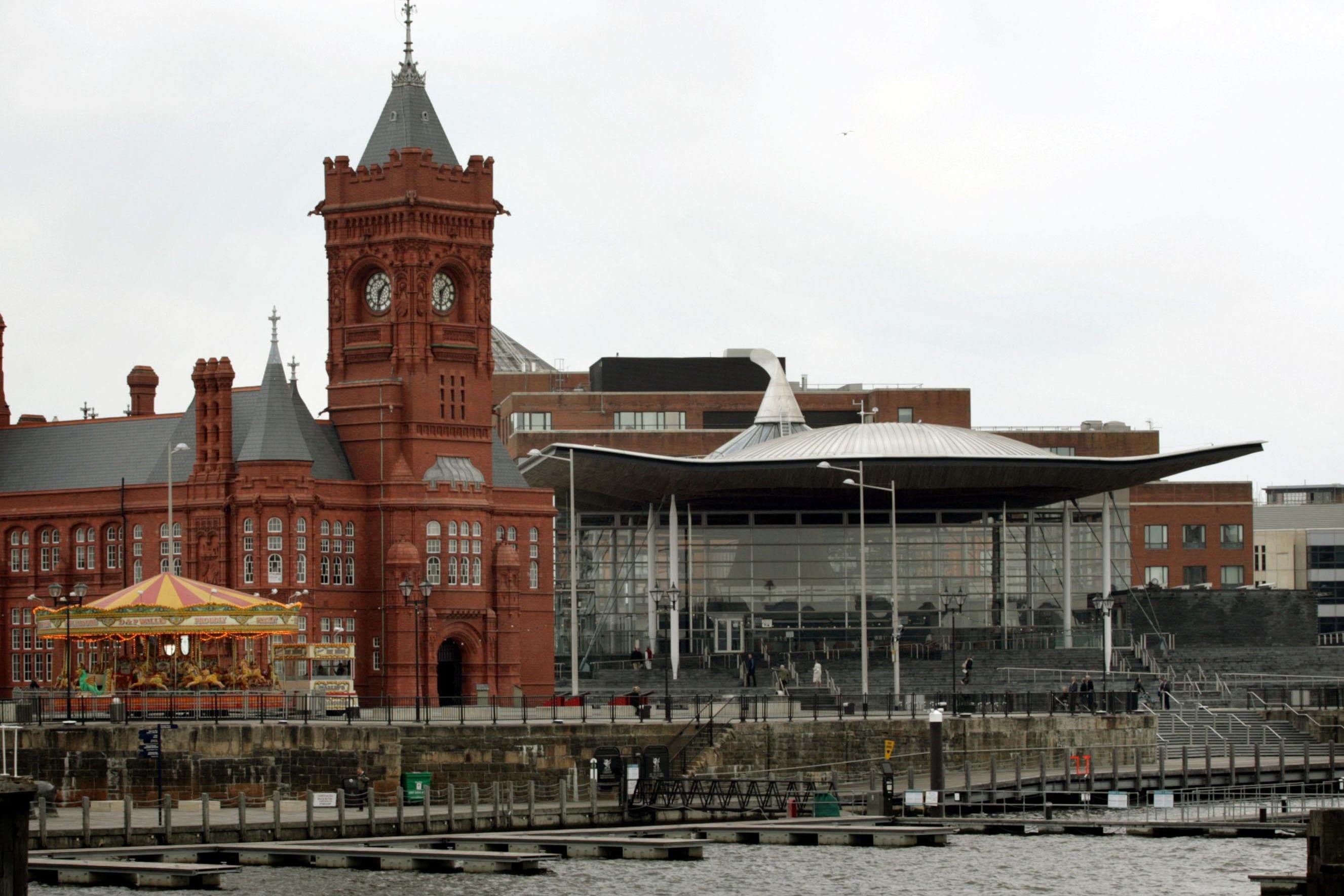
Remarkably, a group of politicians has suggested that lying be prohibited by law, which feels rather like a guild of master butchers going vegan. The extraordinary notion is being debated in the Welsh Senedd where the Labour administration says its bill “sets out to build stronger foundations for Welsh democracy”. It would create a criminal offence of making false or misleading statements of fact to help an election candidate. It’s certainly an ambitious project.
Why ban lying?
It’s widely acknowledged that politicians, ranking roughly with estate agents and lawyers in public esteem, have never enjoyed the best of reputations, and trust in politics has been in long-term decline. Disillusionment is widespread and corrosive, and undermines faith in democracy itself. This can be particularly acute in times of economic hardship and uncertainty, indicated by the rise of populist parties attracting a strong protest vote – visible in Wales with the rise of Reform UK. Arguably, Labour, as the governing party, has more to gain from a ban on populist propaganda being outlawed as misleading.
Will it happen and when?
There’s some resistance to the proposal, even among Labour members of the Senedd, and it would anyway be very difficult to police. “Free speech” is the main argument of principle against the proposal, which is the product of a long period of Senedd attention to the subject. If it ever did become law it wouldn’t affect this year’s elections, and would be in force by 2030 at the earliest.
What’s a lie anyway?
According to the Welsh government it is a “false or misleading" statement - but that can be subjective, even in matters as apparently clear-cut as statistics. What, for example, is the best measure of price inflation: over a year or a month? Including or excluding property prices? Are vaccines “safe and effective”? Should poverty be an “absolute” or “relative measure”? Is calling a minister“incompetent” false or misleading if they say they can prove otherwise? Is promising in a manifesto not to raise income tax but then freezing the various thresholds “misleading” the public, or not?
Without this bill, can anyone lie in British politics?
Not quite. Deliberately misleading parliament in Westminster is a potential contempt, and the UK ministerial code states: “Information should not be withheld from the public unless there are clear and lawful reasons for doing so. It is of paramount importance that ministers give accurate and truthful information to parliament, correcting any inadvertent error at the earliest opportunity. Ministers who knowingly mislead parliament will be expected to offer their resignation to the prime minister.” In practice, statements relating to national security and, more rarely, sensitive economic decisions (such as a devaluation of the pound) are treated with more indulgence.
The Senedd’s code of conduct is already stronger than any other comparable set of rules in the UK by explicitly requiring the truth to be told, as if in a court of law: “Members must act truthfully.”
UK electoral law also requires that candidates must not “make or publish a false statement of fact about the personal character or conduct of a candidate in order to affect the return of a candidate at an election. False statements that are not about a candidate’s personal character or conduct are not illegal under electoral law, but could be considered as libel or slander.”
Is there a case for lying?
Yes. For example, Tony Blair and his ministers only managed to secure the Good Friday Agreement, paving the way for the end of the Troubles in Northern Ireland, by a technique called “constructive ambiguity”. Similarly, it feels absurd to expect ministers or opposition politicians to deliberately weaken their arguments by including things that their opponents will anyway. Politicians and civil servants perhaps ought to have the option of being “economical with the truth”, especially if there is some wider national interest at stake. And who doesn’t ever tell a fib? Could it be that voters are the hypocrites here?
Join our commenting forum
Join thought-provoking conversations, follow other Independent readers and see their replies
Comments
Bookmark popover
Removed from bookmarks