Plans to equalise minimum wage for older and younger workers could be delayed
Minister insists government still committed to manifesto pledge
Ministers are thought to be considering a delay to plans to equalise the minimum wage between younger and older workers after warnings the pledge was fuelling youth unemployment.
Labour promised to “remove the discriminatory age bands” in the minimum wage system, making it so older and younger workers are entitled to the same wage.
However, fears that the higher cost of employing young people could put off firms from hiring them have pushed ministers to put the manifesto pledge under review, The Times reported.
Minister’s have insisted the government is still committed to the rise, but the BBC reported it could be delayed.
It comes after fresh figures showed the unemployment rate for 16- to 24-year-olds surged to 16.1 per cent in the latest quarter – the highest level since early 2015.
A government source told the paper that the figures had “strengthened the case for a rethink”.
“There is no point increasing minimum pay for young workers if they haven’t got jobs to go to,” they said.
However, a minister has since insisted that it is “not government policy” to reconsider the plans.

“There’s an unsourced briefing or whatever in the Times this morning, that is not government policy,” Welsh minister Jo Stevens told the BBC.
“Government policy is as we set out in our manifesto. We’ve had many naysayers over the years about the national minimum wage.
“People said in 1998 that it caused mass unemployment, and it didn’t. And every time there is a rise in the national minimum wage, people complain about it.”
Currently, employers must pay workers aged between 18 and 20 at least £10 an hour – a figure which will rise to £10.85 in April.
Older workers aged 21 and over must receive at least £12.21 – rising to £12.71.
“We are raising the national living and minimum wage so that low-paid workers are properly rewarded,” a government spokesperson said.
It is understood a decision could be made when the government sets its annual remit to the Low Pay Commission, an independent body set up to advise the government on minimum wages.
The Commission considers labour market and pay data, as well as views from businesses, trade unions and workers, to make its recommendations.
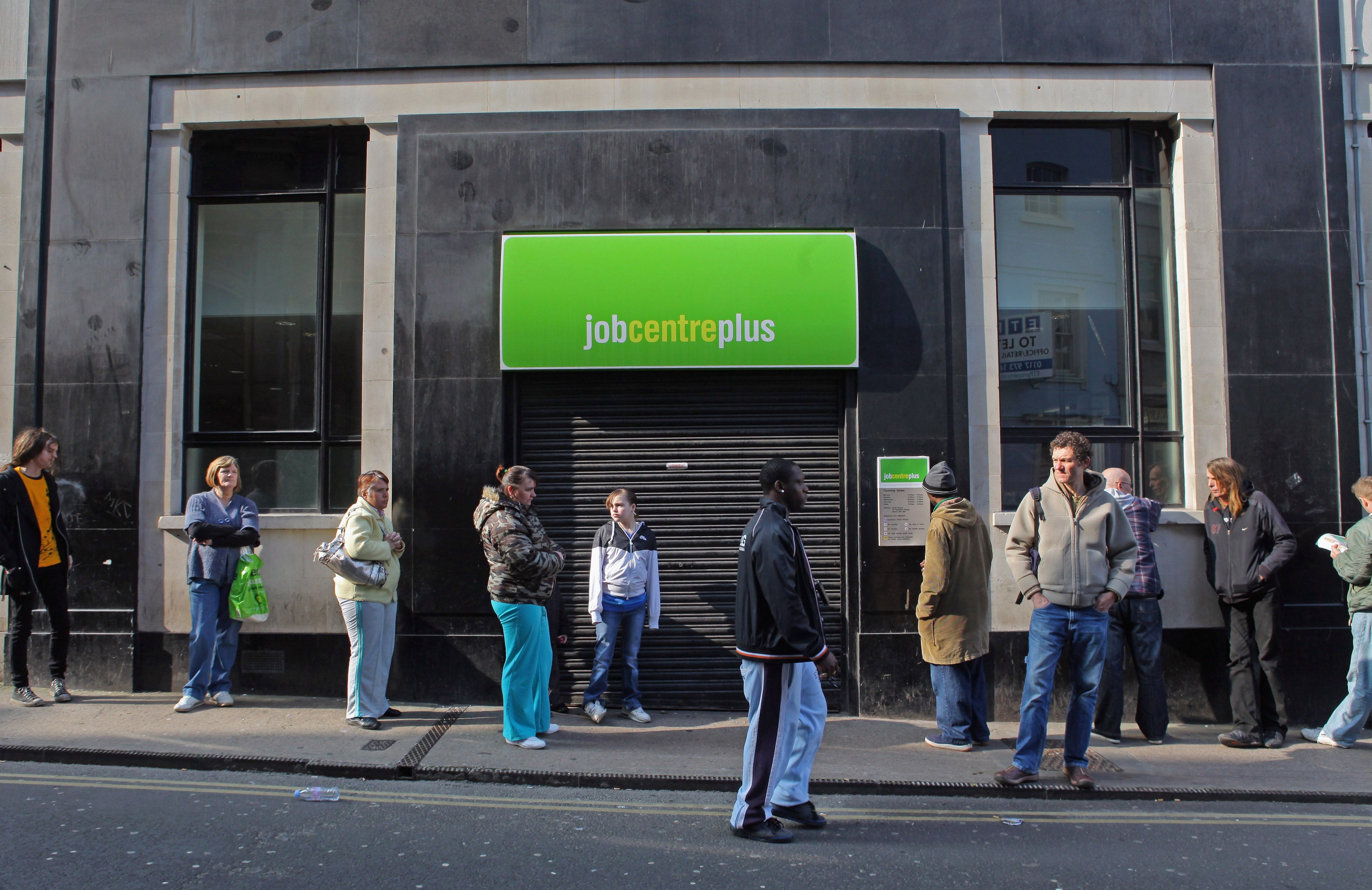
Unemployment has unexpectedly risen to a near five-year high with the jobless rate among young people at its worst level for more than a decade, official figures showed this week.
Experts said young workers were among the hardest hit, with almost one in six left without a job.
The Resolution Foundation think tank said the UK’s youth unemployment is now higher than the EU average for the first time since records began in 2000, with the rate across Europe at 14.9 per cent in the final three months of last year.
The Department for Work and Pensions (DWP) has been contacted for a comment.
Join our commenting forum
Join thought-provoking conversations, follow other Independent readers and see their replies
Comments
Bookmark popover
Removed from bookmarks