Starmer accused of delaying law change on ethnic minority pay gap over fears of Farage backlash
A scathing letter from the Ethnicity Pay Gap Steering Committee has questioned why Labour have delayed legal changes for wage justice for six months
Keir Starmer’s government has been accused of delaying moves to tackle the ethnic minority pay gap because of fears of a backlash from Nigel Farage’s Reform.
A scathing letter from the Ethnicity Pay Gap Steering Committee has questioned why it has taken the government six months to introduce legislation to make reporting on the issue mandatory for large employers, as promised following the end of a review.
In the letter to equalities minister, Seema Malhotra, the committee has lashed out at the delay and suggested that fear of right-wing political pushback was at the heart of the issue.
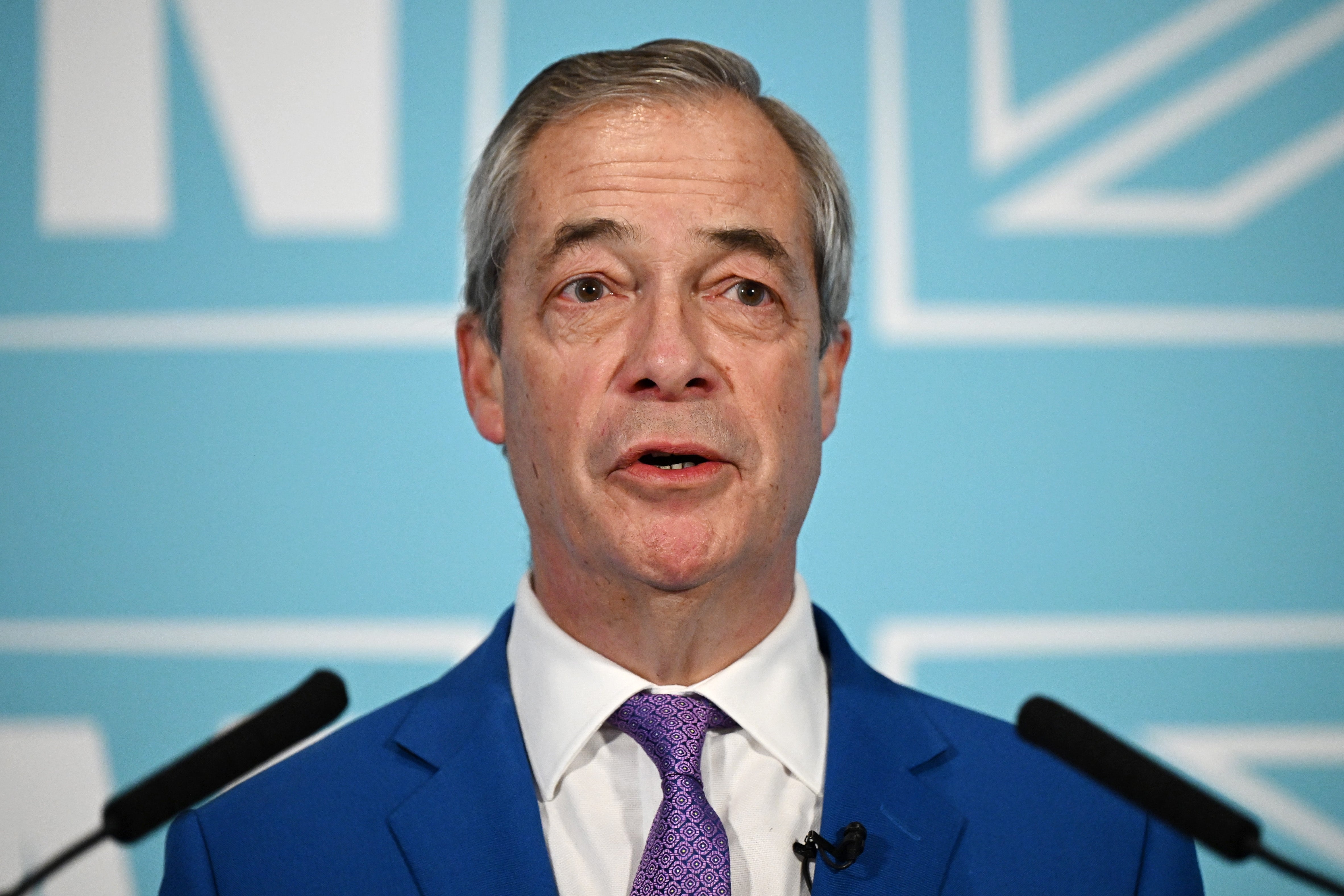
Noreen Biddle Shah, founder of the think tank Reboot, who wrote the letter on behalf of the committee, said: “My view is that it is reasonable to ask whether the lack of movement on long-awaited legislation is being shaped by concern about political pushback, particularly at a time when the rhetoric around race has become more charged and the popularity of Reform has grown.
“But our research shows something very clear: despite heightened social tension, the public still overwhelmingly supports transparency and fairness at work.”
Her comments come as a More in Common poll saw support for Reform surge by three points to 31 per cent, ahead of the Tories on 23 per cent, with Labour down two on just 19 per cent.
There are concerns that Labour is losing out in traditional so-called red Wall seats in the north of England, the Midlands, and Wales to Reform by pushing an anti-migrant message, with leading politicians using racially charged language.
Calling for an explanation on the delay in legislation, Ms Biddle Shah wrote: “The King’s speech was in July 2024 and the consultation ended in June 2025. We expected clarity by late 2025. The longer the government says nothing, the harder it becomes to explain why.”
The issue has been pegged to economic growth, with Sandra Kerr, race equality director at Business in the Community, previously highlighting that closing ethnicity pay gaps could add £37 billion a year to UK Gross Domestic Product (GDP), while mandatory reporting on wages would help ensure employees feel “valued, respected, and treated fairly at work.”
The letter was sent to coincide with Ethnicity Pay Gap Day, aimed at drawing attention to the persistent pay inequalities faced by ethnic minority workers. It represents an embarrassment for Ms Malhotra, who is set to be the keynote speaker at the Ethnicity Pay Gap Summit in February.
The Ethnicity Pay Gap Campaign, founded by Dianne Greyson, has been calling on employers and policymakers to address the lack of transparency around ethnicity pay disparities, which continue to leave many workers earning significantly less than their white counterparts.
Unlike gender pay gap reporting, ethnicity pay gap reporting remains voluntary in the UK, despite mounting evidence of structural inequality in pay, progression and opportunity, with campaigners calling for it to be made mandatory.
According to multiple studies, employees from Black, Asian and minority ethnic backgrounds are, on average, paid less than white employees across many sectors, even when accounting for their role and seniority. Campaigners argue that without mandatory reporting, organisations lack both the incentive and accountability to address the problem.
A study by the University of Surrey in 2024 found that in the NHS, 29.5 per cent of staff were from ethnic minorities, but only 7.9 per cent of senior management came from ethnic minorities.
A government spokesperson said: "The government is committed to introducing mandatory ethnicity and disability pay gap reporting.
"Ethnicity and disability pay gap reporting will provide transparency and vital data to help businesses identify and close ethnicity and disability pay gaps within their workforces.
"Good progress has been made in analysing the responses to the public consultation and developing our policy and legislative approach. We will announce further details in due course"
Join our commenting forum
Join thought-provoking conversations, follow other Independent readers and see their replies
Comments
Bookmark popover
Removed from bookmarks