Extra defence spending is being lost on MoD’s overdraft, warns former RAF chief
In a damning report for the thinktank Policy Exchange, retired Air Marshall Edward Stringer says increased defence spending is not preventing the UK’s military from shrinking
The former head of the RAF has warned that increased defence spending in the UK is being “eaten up by the Ministry of Defence (MoD)’s overdraft” with the UK’s military footprint shrinking at a critical moment.
The intervention by retired Air Marshall Edward Stringer comes just days after Sir Keir Starmer committed to sending UK troops to Ukraine as part of the coalition of the willing to protect any peace agreement from Russian aggression.
But it represents the third warning by a former member of the UK’s military top brass in less than a week over how the UK’s commitments to Ukraine and elsewhere are not matched by resources in the armed forces and manpower.
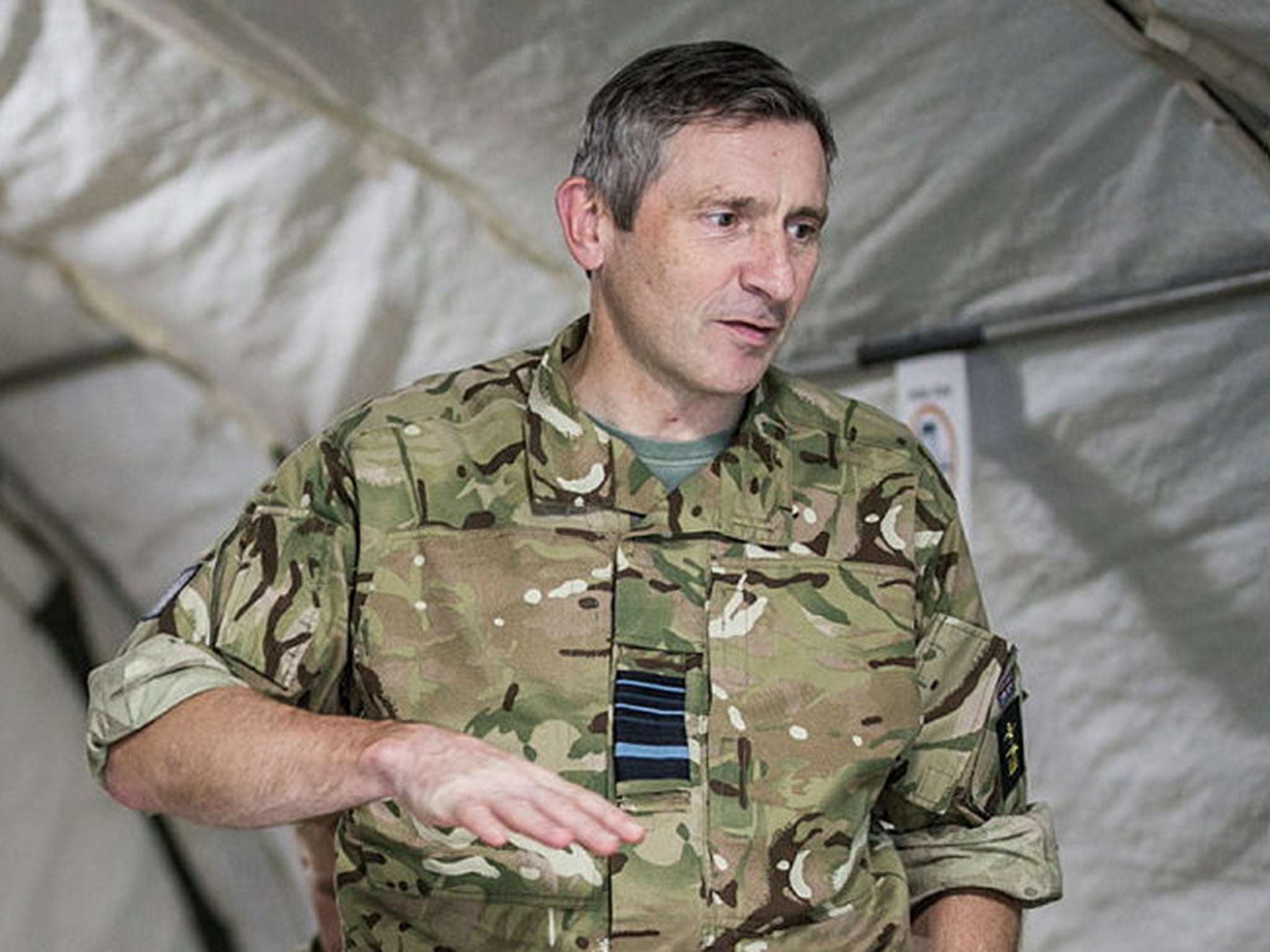
Air Marshall Stringer, in his report for Policy Exchange, warned that the UK gets much less “bang for its buck” than its competitors – so despite headline budget increases to 3 per cent of GDP with an aim of 3.5 per cent, the front line continues to shrink.
The report, entitled “The Say-Do Gaps in Defence”, notes that the British Army now has just 14 howitzers in total; the Royal Navy has been unable to put more than one attack submarine to sea for a while; and the RAF had to send training unit pilots to sea to guarantee certification of the F-35 Force on the carrier.
Warning that not a single formation in the British military is currently sustainable in combat as a sovereign entity with the full Order of Battle, Air Marshal Stringer wrote: “Our national defences have been revealed to be a flimsy facade. The tide has gone out, and we can now see that the UK military was not wearing any trunks.”
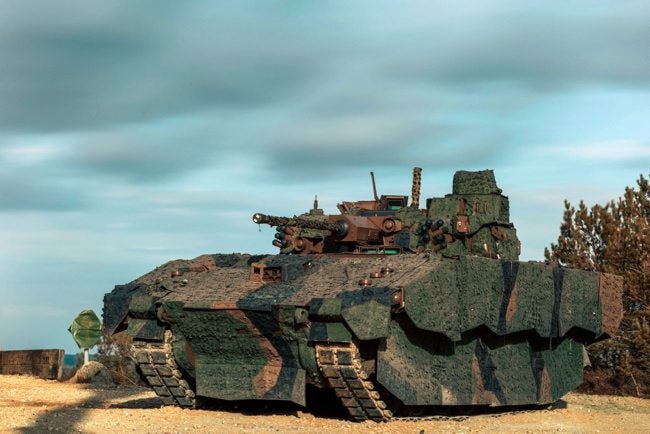
It comes as a debate is set to be held next week in the Commons on the beleaguered Ajax heavy army project, with the government likely to come under pressure to ditch it after continued failures with around £6bn spent on its development.
Meanwhile, another Policy Exchange report earlier in the week from another retired air marshal, Lord Stirrup, outlined how the UK had become too reliant on possessing nuclear weapons for deterrence, which he warned was not scaring Vladimir Putin.
The former chief of the defence staff warned the UK has been hamstrung by an “outdated nuclear doctrine” and needs to recognise that deterrence relies “on a spectrum of capabilities, not just nuclear weapons themselves”.
It came as Sir Richard Shirreff, who served as Nato's deputy supreme allied commander in Europe between 2011 and 2014, said allied forces would need at least 50,000 troops in Ukraine to deter an attack from Russia, while the army currently has less than 75,000 personnel.
Meanwhile, former defence secretary Gavin Williamson warned that a token number would not be enough and said that the UK would need an equivalent of “the army of the Rhine” of more than 40,000 stationed in West Germany after the Second World War as a Cold War deterrent.
With Donald Trump looking to pull out of European defence and even threatening a Nato ally, Denmark, over Greenland, Air Marshal Stringer warned the UK had become too reliant on America and not its own sovereign capabilities.
He said: “During the period of American-policed 'rules-based international order', we increasingly relied on borrowing off the Americans while making cuts to vital capabilities. The optics of occasional tactical excellence obscured the increasingly hollow nature of our sovereign capacity.
“But now the USA is signalling strongly that it is putting ‘America First’ and the rest of Nato will have to look after its own defences. This fundamentally challenges the model that we had semi-accidentally slipped into: our national defences have been revealed to be a flimsy facade. The tide has gone out and we can now see that the UK military was not wearing any trunks.”
Warning of a huge gap between what politicians claim on defence spending and the reality of the UK’s relative military weakness, he went on: “The Say-Do gap between the image of ourselves we have come to believe – and the reality of the hard power we can project in practice, is stark. The first necessary step is to recognise that, and recognise that the methods that got us into this mess have to be discarded ruthlessly.”
“The paper argues that whilst the government has been voluble in resetting the narrative of decline in our defence capacity, the reality is that neither spending nor front-line capabilities have kept pace with the rhetoric. Target dates in the 2030s are far too late, and such assurances are neither reassuring our allies our impressing our adversaries.
“The government’s procurement agencies have not absorbed the government’s message on the seriousness of the times and the threats we now face, and the 'business as usual' ticks along, promising to be better by the 2030s while troubled programmes such as Ajax absorb billions for equipment that simply doesn’t work.”
An MoD spokesperson said: “This government is delivering the largest sustained increase in defence spending since the end of the Cold War – with a £5bn boost this year and hitting 2.6 per cent of GDP by 2027, a level not seen since 2010. This will see over £270bn invested into defence across this parliament, meaning no return to the hollowed out and underfunded armed forces of the past.
“The government is also bolstering the UK’s readiness and resilience, signing over 1,000 major contracts since the election, building at least six state-of-the-art munitions and energetics factories this parliament, and implementing at pace the recommendations in the Strategic Defence Review."
Join our commenting forum
Join thought-provoking conversations, follow other Independent readers and see their replies
Comments
Bookmark popover
Removed from bookmarks