Reeves defends £26bn tax raid after Budget backlash as watchdog urged to investigate ‘false briefings’
The chancellor doubled down on her tax hikes, saying she wasn’t willing to cut public services
Rachel Reeves has defended her £26bn Budget tax raid as “fair and necessary”, insisting the wealthy should share more of the economic “burden”.
The chancellor was accused of misleading the public on the state of the country’s finances to justify her tax hikes after she insisted she had to make “hard choices”, despite knowing her deficit had disappeared and that she instead had a £4.2bn surplus.
The Financial Conduct Authority (FCA) now faces calls to investigate whether the Treasury misled the public about the scale of the financial repair job after the Scottish National Party (SNP) wrote to the watchdog asking it to look into claims of “deliberately false and misleading” briefings.
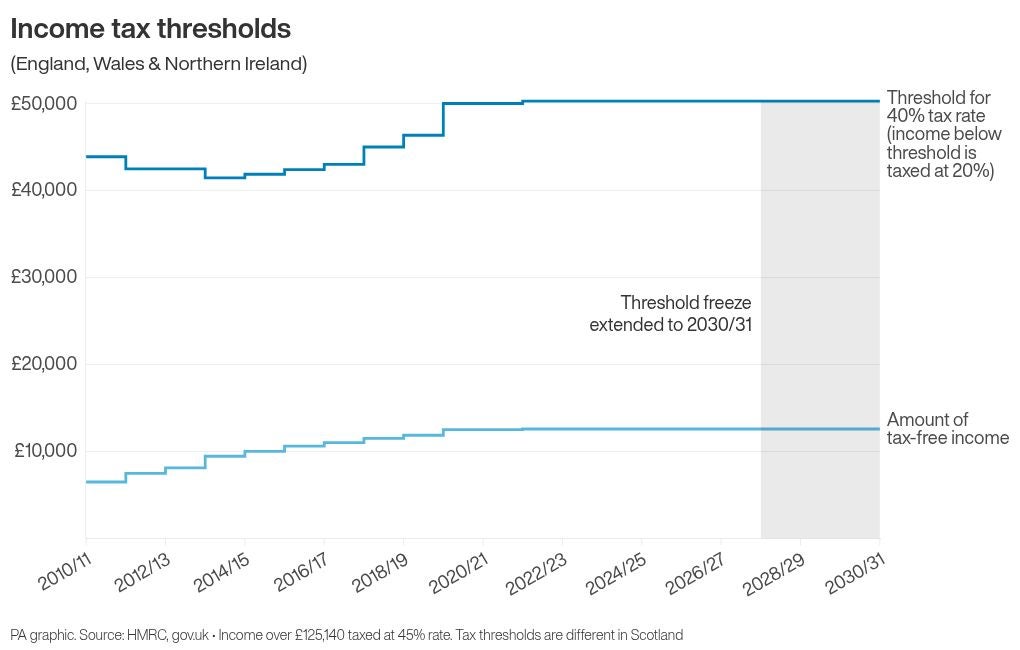
In an interview with The Guardian, Ms Reeves doubled down on her move to bring in 43 separate taxes and freeze income tax thresholds, dragging millions more into paying higher taxes, saying she was unwilling to make cuts.
“I wasn’t willing to cut public services, because people voted for change at the election,” she said.
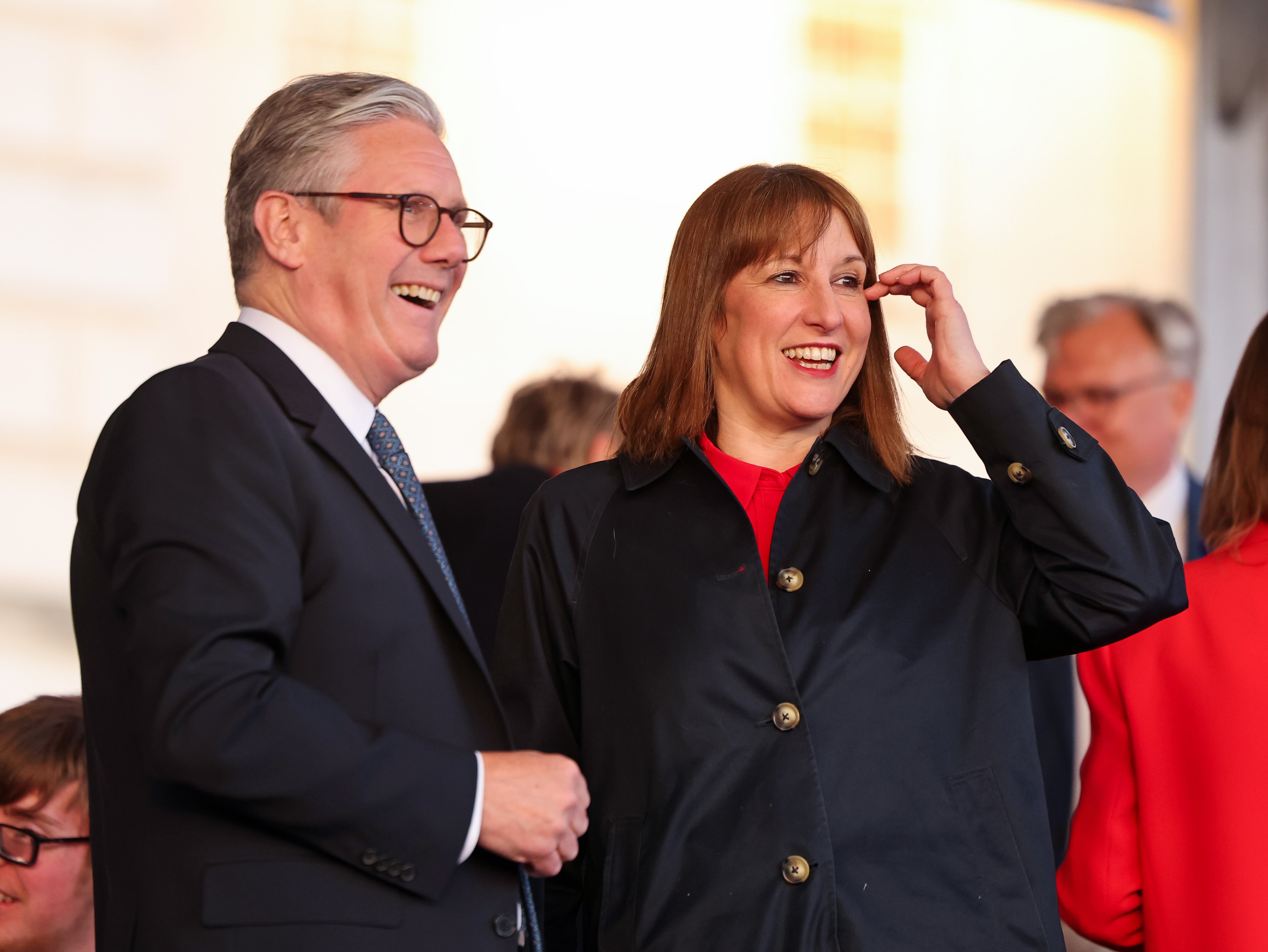
The chancellor insisted it should be the responsibility of Britain’s wealthy to take on the burden of rebuilding the country’s “creaky” public services, and denied that working-age people were being asked to carry more of the burden than pensioners after they were excluded from many of her new measures.
“It’s quite clear that the economic burden in the Budget was not about age. It was about wealth,” she said. “People who bear more of the burden are those with big incomes and assets… so I don’t accept that.
“We’ll never get out of this problem of weak growth unless we’ve got investment in the economy, and we’re investing in things to boost our productivity.”
The chancellor also addressed leadership speculation after a rocky few weeks for the prime minister, but insisted the party was behind Sir Keir Starmer.
“We all know what happened in the last government, when they went through leaders and chancellors,” she said. “It was bad for the country.”
Ahead of the Budget, warnings suggested that Ms Reeves could face a financial black hole of up to £20bn in meeting her self-imposed rule of not borrowing for day-to-day spending. And on 4 November, she signalled higher taxes were likely because of Donald Trump’s tariff war and the Budget watchdog’s expected downgrade of economic productivity.
But on Friday, the Office for Budget Responsibility (OBR) revealed that it had informed the chancellor as early as 17 September that the gap was likely smaller than initially expected, and later said that it had disappeared, and instead there was a surplus.
Ms Reeves told The Guardian: “People often talk about what chancellors do in their budget, but sometimes what’s more important are the things you don’t do. One of the things I didn’t do was cut the investment that I put into capital spending, new schools and hospitals, new energy infrastructure, rail infrastructure.
“It would have been the easiest thing to do to say the OBR’s done this downgrade, you need to cut our cloth accordingly.”
Conservative leader Kemi Badenoch said the revelation from the OBR showed Ms Reeves had “lied to the public” and called for her to be sacked.
But Downing Street rejected the claim that Ms Reeves had misled the public and the markets in the run-up to the Budget.
“I don’t accept that,” the prime minister’s official spokesman said. “As she set out in the speech that she gave here (Downing Street), she talked about the challenges the country was facing and she set out her decisions incredibly clearly at the Budget.”
But Paul Johnson, a former head of the Institute for Fiscal Studies, said: “I think it [her 4 November press conference] probably was misleading.”
He said her words were “clearly intended” to confirm what independent forecasters such as the National Institute of Economic and Social Research had been saying, after it predicted Ms Reeves would have to fill a multi-billion-pound black hole in the nation’s finances.
Mr Johnson said the speech was “designed to confirm a narrative that there was a fiscal black hole that needed to be filled with significant tax rises. In fact, as she knew at the time, no such hole existed.”
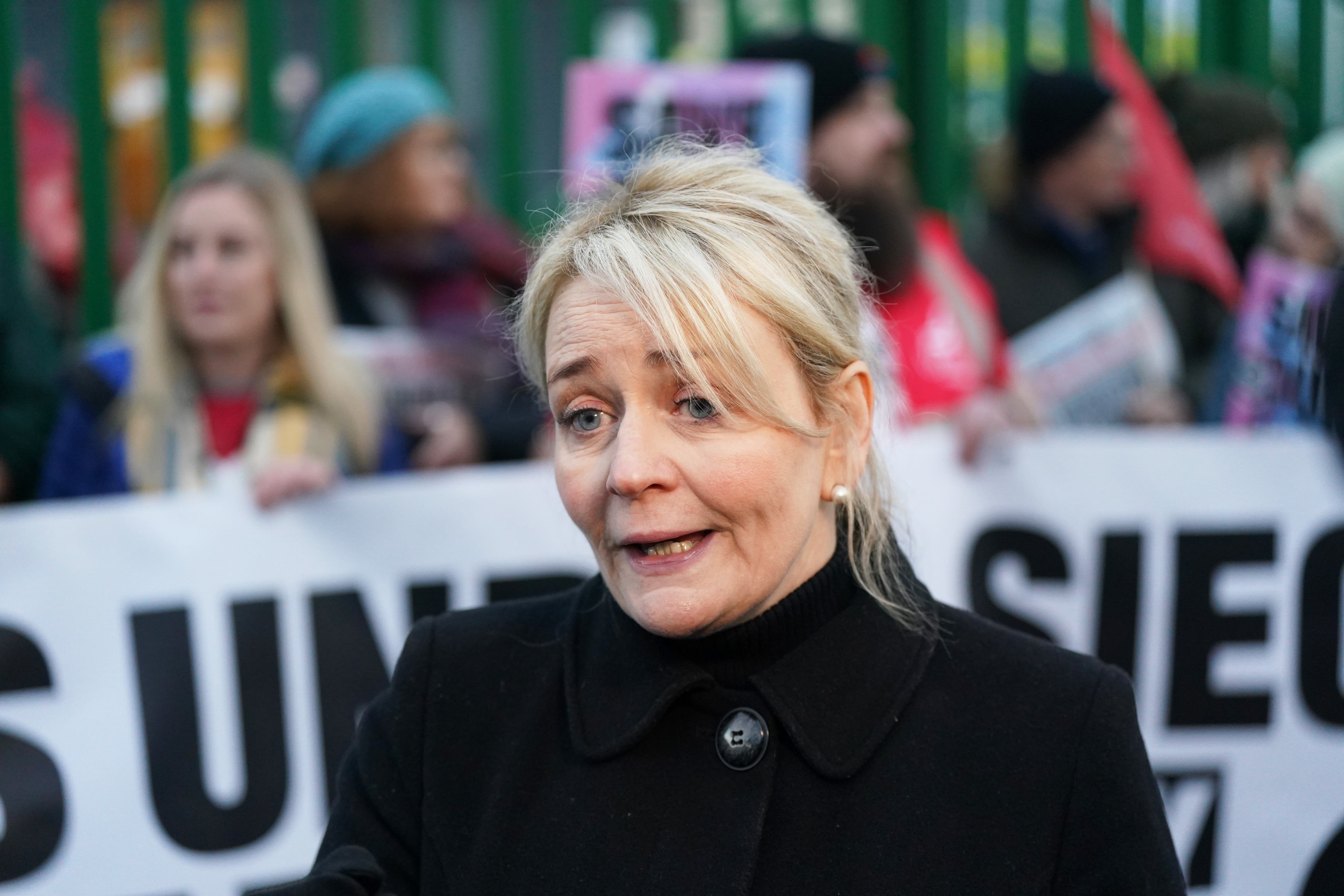
Meanwhile, Labour’s biggest union donor, Sharon Graham, the general secretary for Unite, has criticised Ms Reeves’ Budget and the watering down of the Employment Rights Bill in an interview with The Telegraph.
She warned that her members had noticed the “underhand continuation” of the “shameful stealth tax” represented by the freezing of income tax thresholds, which meant that working people were now “unable to trust Labour”.
On Labour’s U-turn on plans to give staff “day-one” protections against unfair dismissal, which many have criticised as a breach of the party’s election manifesto, she said: “Workers were promised stronger rights, particularly the outright ban on fire and rehire, an end to zero hours contracts and day one rights.
“Those promises which were campaigned on, have failed to be delivered. Broken. Workers have been left unable to trust Labour.”
Bookmark popover
Removed from bookmarks