Warning issued after first Asian hornet nest in Wales found near Wrexham
It is the first confirmed discovery of the insect in Wales
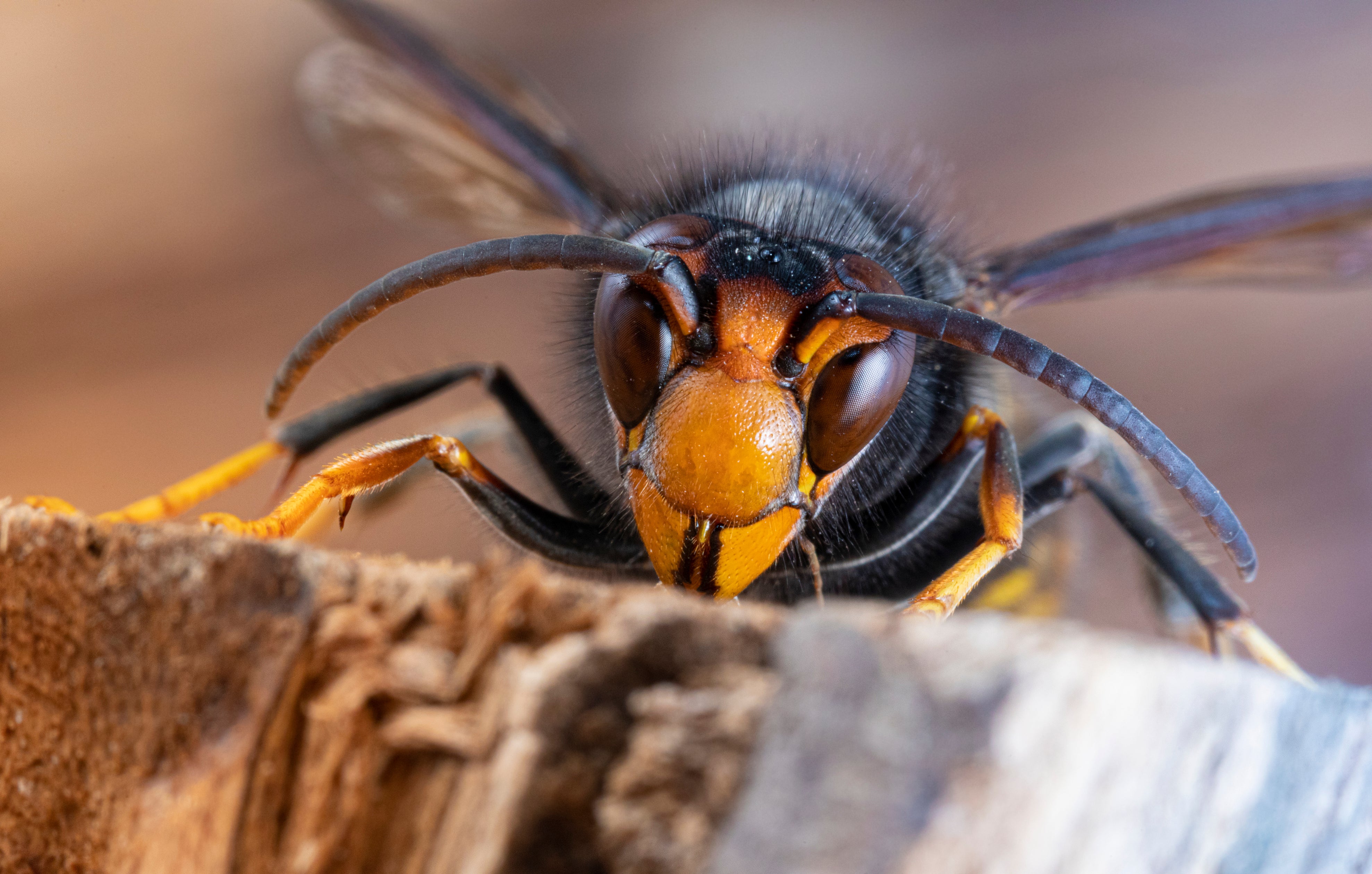
A nest of invasive Asian hornets has been found for the first time in Wales.
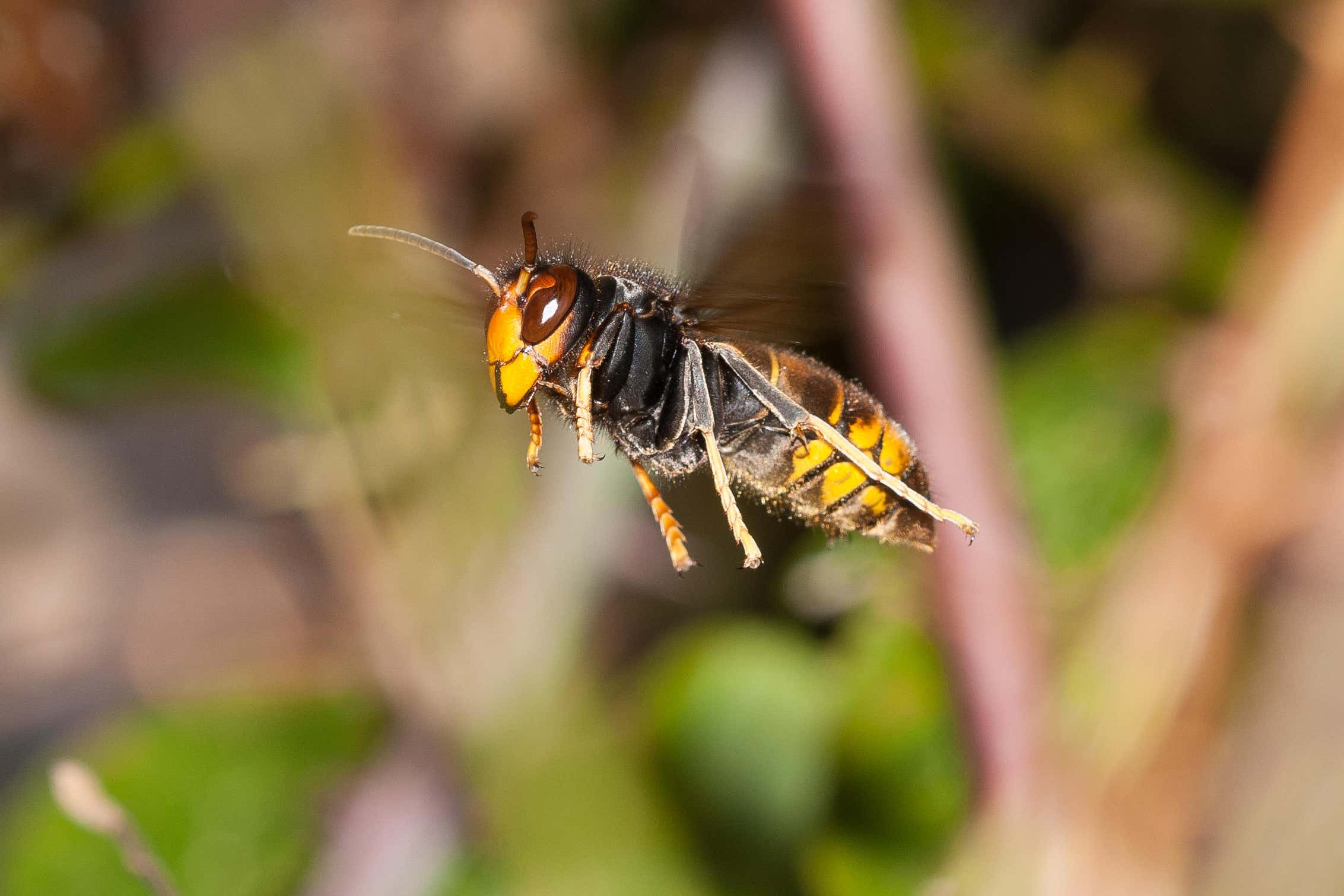
The Asian hornet or yellow-legged hornet, a voracious invasive, is native to South East Asia and arrived in France in a cargo of pottery from China about 20 years ago, spreading rapidly across the continent.
Its main prey is honeybees, and it can kill 50 bees a day, devastating colonies in France and Italy.
It was first seen in the UK in 2016, and there have been regular sightings since, including 44 confirmed in 2024 – largely in Kent and East Sussex, although a rapid response approach to destroy hornets and nests has stopped its spread in Britain.
The dead nest was found near Wrexham and has resulted in calls from the Welsh Government for people to be “vigilant” in the coming months and report any suspected sightings.
The species is a predator of pollinators like honeybees and not generally aggressive, but it may sting if provoked.
It is the first confirmed discovery of the insect in Wales.
Huw Irranca-Davies, deputy first minister of Wales, said: “The National Bee Unit has years of experience tracking and locating yellow-legged hornets so their expertise will be invaluable in helping us take action against the insect in Wales.
“I’d like to thank beekeepers and members of the public who I know remain alert and continue to report suspected sightings
“We need everyone to become familiar with what yellow-legged hornets look like.
“As the weather warms up in the spring and especially on into the summer, please continue to be vigilant.”
Last year researchers from the University of Exeter carried out genetic analysis in a method called “deep sequencing” to identify prey species in the guts of more than 1,500 hornet larvae from 103 nests in Jersey, France, Spain, and the UK.
They identified 1,449 different prey which had been fed by adult hornets to their larvae in the nests, more than half of which (55%) could be identified as a specific species.
Prey included a wide range of flies, wasps, bees, butterflies, moths and spiders, with honeybees, common wasps and blow flies most commonly found.
While the hornets have a preference for honeybees, which were found in all nests and almost all samples, a wide range of other species were also recorded, showing they are “opportunistic” and prey on any creatures that are abundant in the areas near their nests.
Europe’s top three crop pollinators – the honeybee, buff-tailed bumblebee and the red-tailed bumblebee – were all found among the top 50 prey species identified.
Join our commenting forum
Join thought-provoking conversations, follow other Independent readers and see their replies
Comments
Bookmark popover
Removed from bookmarks