Windrush victim ‘hospitalised’ over stress of compensation battle with Home Office
Seven years after the Windrush scandal broke, survivors are still awaiting compensation and answers for how the government poorly treated its Commonwealth citizens
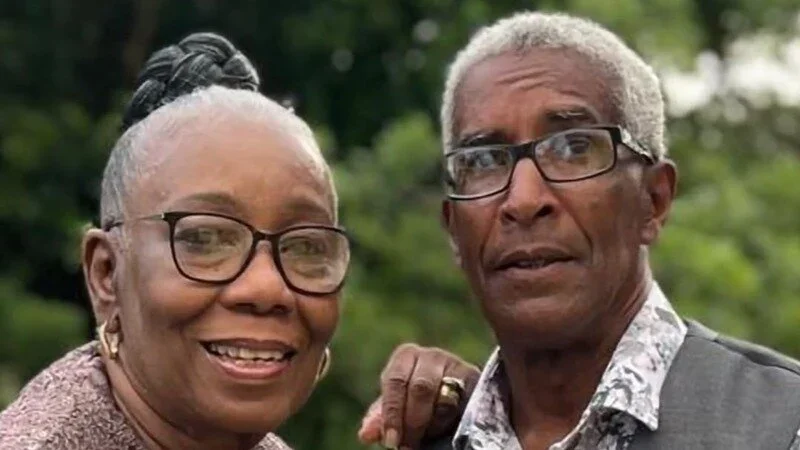
A Windrush victim has criticised delays to the compensation scheme and claimed the lack of contact from the Home Office about her husband’s claim has left her hospitalised with stress.
Hetticia and Vanderbilt McIntosh, both 70, moved to the UK when they were just six-years-old in the 1960s, but were forced back to the Caribbean after they were both mistakenly refused new British passports in the late 1970s.
The couple and their children would fly back and forth between the UK and the Caribbean, before the couple were finally granted new British passports in 2020, just as the Windrush scandal was being uncovered.
Mrs McIntosh was refused compensation three times, before finally being offered £40,000, but her husband received a “nil offer”. She said that the devastating moment they were forced to leave the UK “changed the entire trajectory of their lives”.
It also affected her health after she was hospitalised on 10 October 2025 with stress she thinks is related to the ongoing saga with the Home Office. She said: “My heart was just racing and my pressure went skyrocketing. At one stage, it was over 200”.
The McIntoshes were originally given British passports when they were children after a recruiting drive from the government led to thousands of Caribbean women emigrating to the UK to combat a nursing shortage.
Mrs McIntosh’s mother, who was from Barbados, worked at the Manchester Royal Infirmary, while Mr McIntosh’s mother, from St Lucia, worked as a midwife in east London.
Despite originally being given British passports and having built a life together, including three children, the couple were both declined British passports when they were up for renewal. Mrs McIntosh was turned down in 1978 because her birth country, Barbados, had become independent from Britain.
Mr McIntosh suffered a similar fate in 1984 after St Lucia gained independence from Britain in 1979. Mrs McIntosh was advised to get a Barbadian passport and then entitled to indefinite leave to remain.
However, Mr McIntosh, who worked in quality and assurance in the paint industry, lost his job as he could no longer prove he was a British citizen and had no other identification. The couple were forced to move their three British-born children to live with their grandparents in an overcrowded home.
After living in the UK for almost his whole life Mr McIntosh was later forced to move back to Saint Lucia where he was born, along with his English-born kids, in order to find work.
This short term visa restricted them from working, receiving health care and crucially meant they had to return to the Caribbean every six months.
This is despite their parents also being part of the Windrush generation and having established citizenship in the UK since the 1960s with no issues.
Mrs McIntosh said: “I was just going through the normal life cycle of school and college and working and thinking, as far as you're concerned, you're British, never thinking that we had any immigration issues as our parents established here, as well as buying properties.”
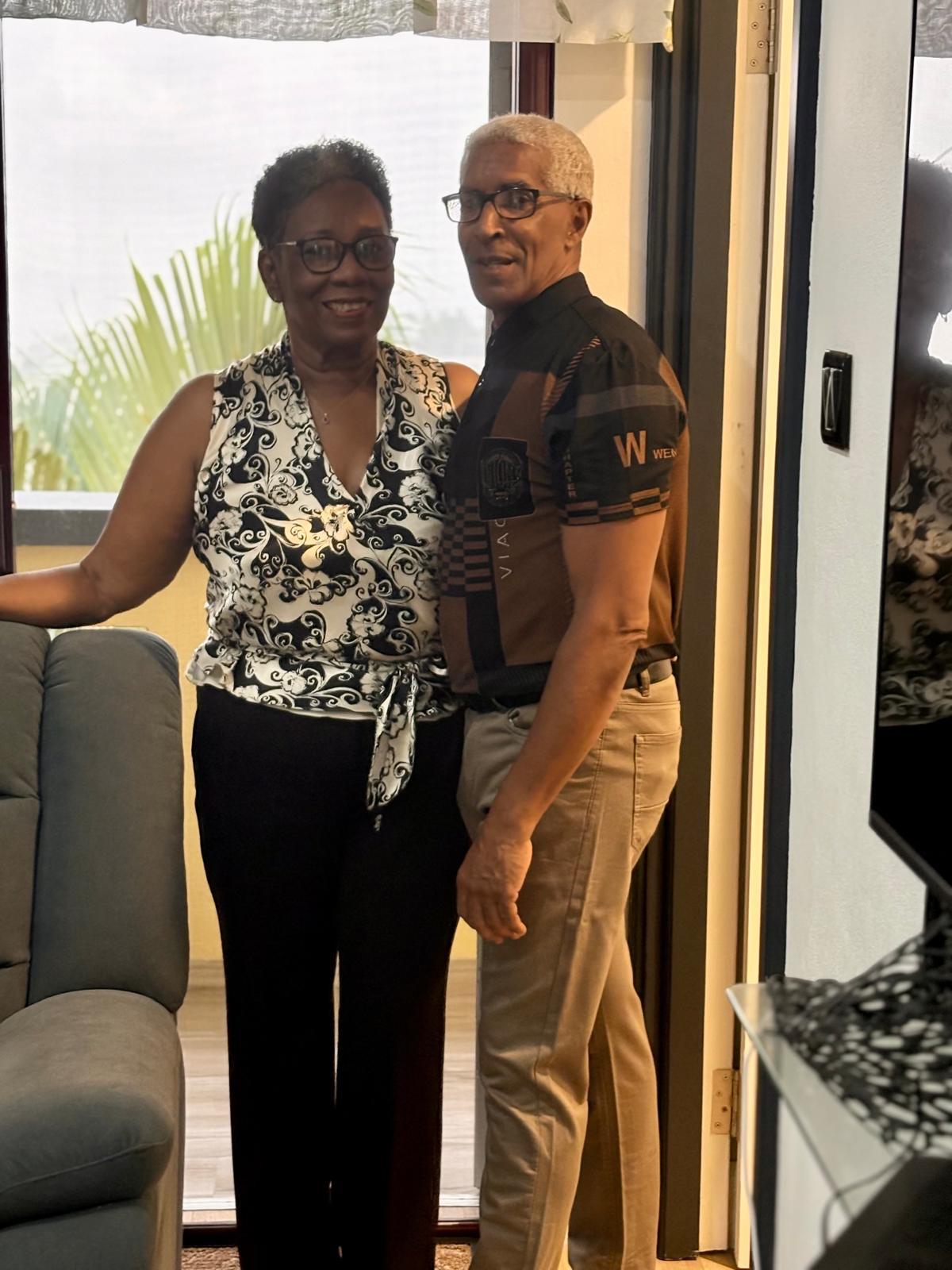
When the Windrush story broke in 2018, the couple applied for compensation but were told that they were “not entitled to a preliminary payment” and “had lost their status” because they were out of the country from 1985-1993.
This only served as an “insult to injury” to Mrs McIntosh, who served time as a physical training instructor for the British army, and who described feeling “used and abused” because “all we knew was Britain was our home”.
It wasn’t until January this year, after having two nil awards, that Mrs McIntosh was offered a level three award of £40,000. However Mr McIntosh was offered nothing. He is appealing the decision.
Mrs McIntosh explained that the level three award is for people who have been affected for months, weeks to a year, whereas the McIntoshs’ have been impacted for decades. They wouldn’t compensate them for the loss of employment and the loss of access to healthcare.
Mrs McIntosh has since started a petition calling for justice and for the home secretary to fund free legal representation for all Windrush compensation claimants.
Mr McIntosh said: “We gave them all they needed to know to award me something and for them to come back after us doing all that research and all that trauma coming back again, for them to say nothing, it hurts.”
The retired pensioners, who now live in Manchester, are now calling for a national inquiry into the Windrush scandal and pointed out that “some people are dying without receiving compensation.”
A spokesperson for the Home Office said: “This government is working to ensure justice and compensation for victims of the Windrush Scandal victims is delivered as quickly as possible. Some cases are more complex than others, but we will always work with each individual to get them the support they need.”
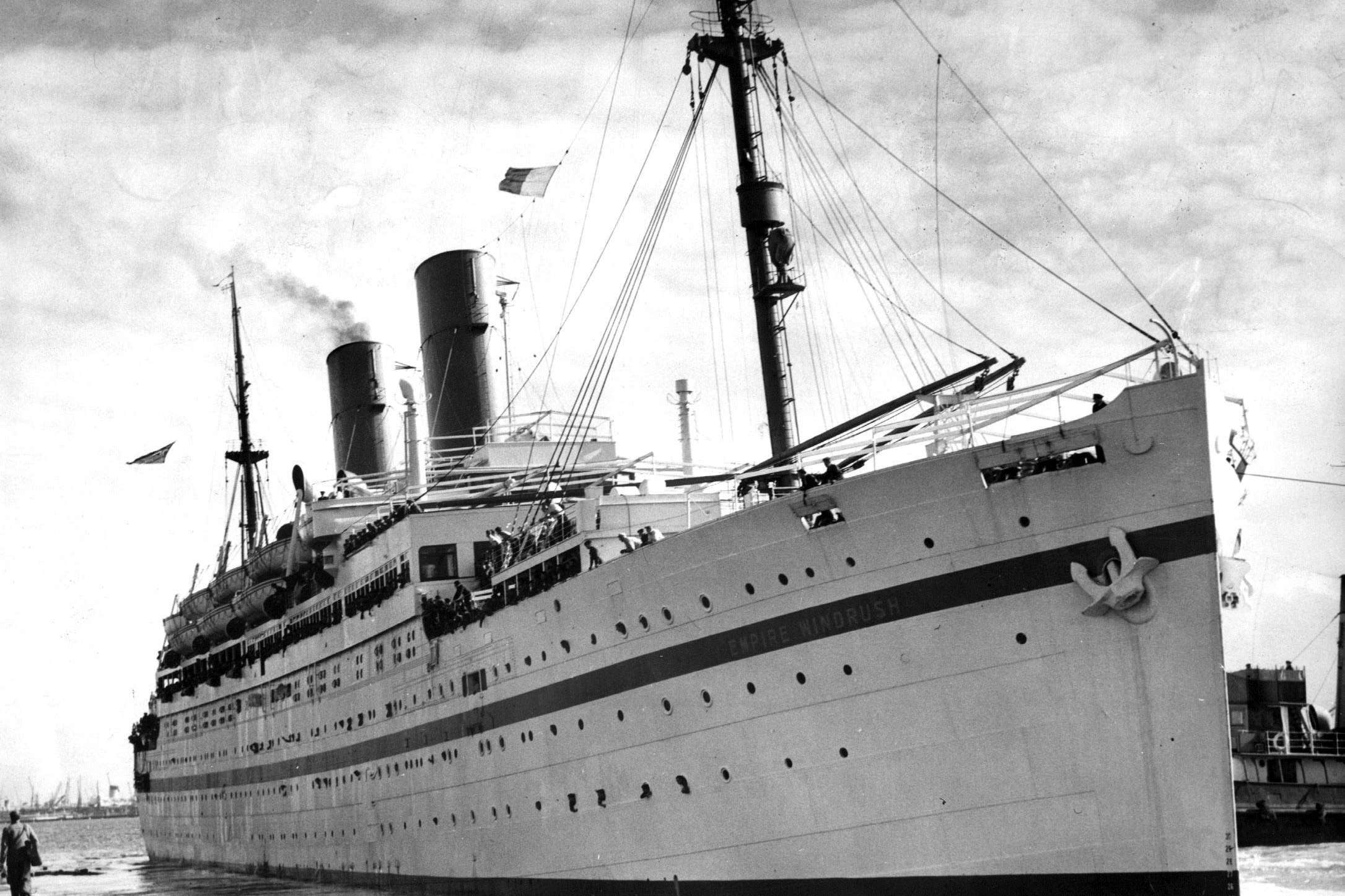
In the 1960s, the “Windrush generation” - British citizens mainly from Caribbean and West Indies colonies, were brought to the UK, to fill a shortage of jobs and rebuild the country post-WW2.
The government at the time failed to keep track of appropriate documentation of their legal migration and citizenship.
Since then, the livelihoods of these citizens has been turned upside down with over 83 cases of people facing deportation, wrongful detainments and some even made homeless.
Join our commenting forum
Join thought-provoking conversations, follow other Independent readers and see their replies
Comments
Bookmark popover
Removed from bookmarks