Wetherspoons stops accepting Scottish £20 notes in most English pubs
Campaigners have said the change makes valid cash ‘worthless’ in pubs
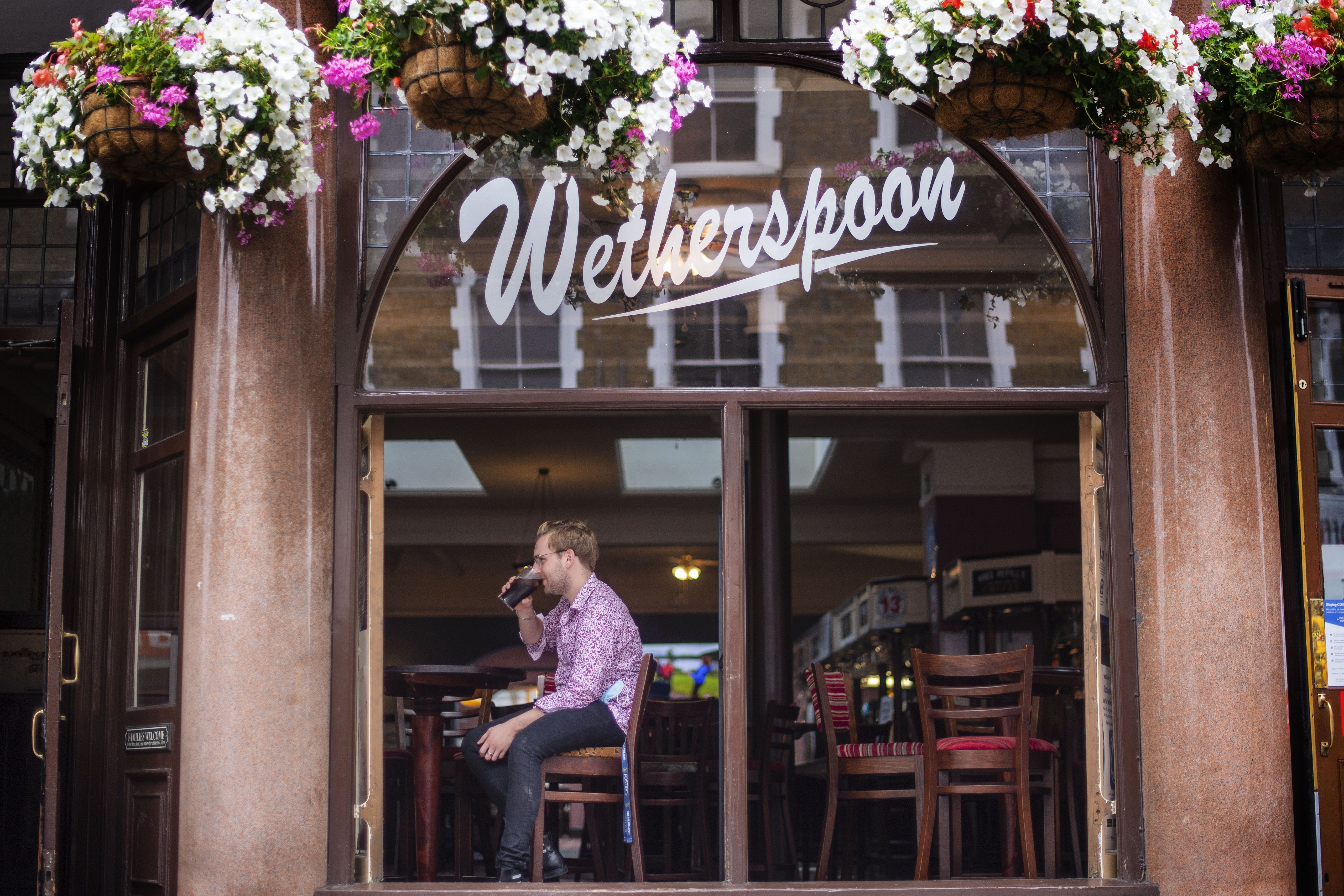
Wetherspoons locations across England have stopped accepting Scottish £20 and £50 notes, the hospitality giant has announced.
The pub chain said warnings of counterfeit cash being used by criminal gangs has required them to act.
It has been revealed that customers have not been able to use the cash since November, with JD Wetherspoon not publicising the decision. However, more people beginning to complain about the change has brought the change to light.
JD Wetherspoon spokesman Eddie Gershon said said: “We were notified by the Bank of England last October that a large number of fake Scottish £20 notes were being put into circulation by organised crime gangs.”
He added: "Advice was given as to how to identify them, but with a warning not to accept if in doubt. This warning, coupled with an increase in the receipt of fake notes in pubs, led to a decision in late November last year not to accept Scottish £20 notes."
“Scottish £50 notes are not accepted for the same reason. We will continue to keep this decision under review."
However, English pubs with “close links” to Scotland , and pubs in Scotland, will still be accepting the cash, Mr Gershon added.
The decision was criticised by Campaign for Cash spokesperson Martin Quinn, who says chains should have checks in places to detect fake notes instead of refusing to accept them.
"All notes carry various security features, and are much more secure than the old paper notes," he told Sky News.
"It's really not ideal if you have Scottish or Northern Irish notes and can't spend them; they become worthless, unless you are heading back to Scotland."
JD Wetherspoon reported a strong return in its latest update, with a 5.1 per cent increase in sales for the three months ending 20 July compared to the previous year.
The pub groups says sales volumes have now surpassed pre-pandemic levels after earlier concerns about a sluggish recovery across its estate.
A rebound in breakfast sales and high draught sales – particularly of Guinness – were two of the key drivers behind the uptick.
The chain is now expecting to meet its profit forecasts for the year, despite warning of higher operating costs following Labour’s decision last Autumn to increase employer National Insurance contributions and the minimum wage.
Join our commenting forum
Join thought-provoking conversations, follow other Independent readers and see their replies
Comments
Bookmark popover
Removed from bookmarks