Reeves claims UK economy will ‘turn corner’ in 2026 with growth only behind US and Canada in G7
But the UK is expected to lag behind global growth which is projected at 3.3 per cent in 2026 and 3.2 per cent in 2027
Rachel Reeves has hailed 2026 as the year the UK economy will “turn a corner” after it was projected to achieve stronger economic growth next year than half its G7 peers, trailing only the US and Canada, according to the International Monetary Fund (IMF).
The influential economic body’s latest report anticipates Britain’s GDP growth will surpass Japan, Italy and France, while equalling Germany’s.
The figures have been hailed by the chancellor as a rare piece of good news suggesting that her economic strategy may be beginning to work.
Her position had come under question with an apparently flatlining economy having arrived in office 19 months ago with economic growth as the government’s “number one mission”.
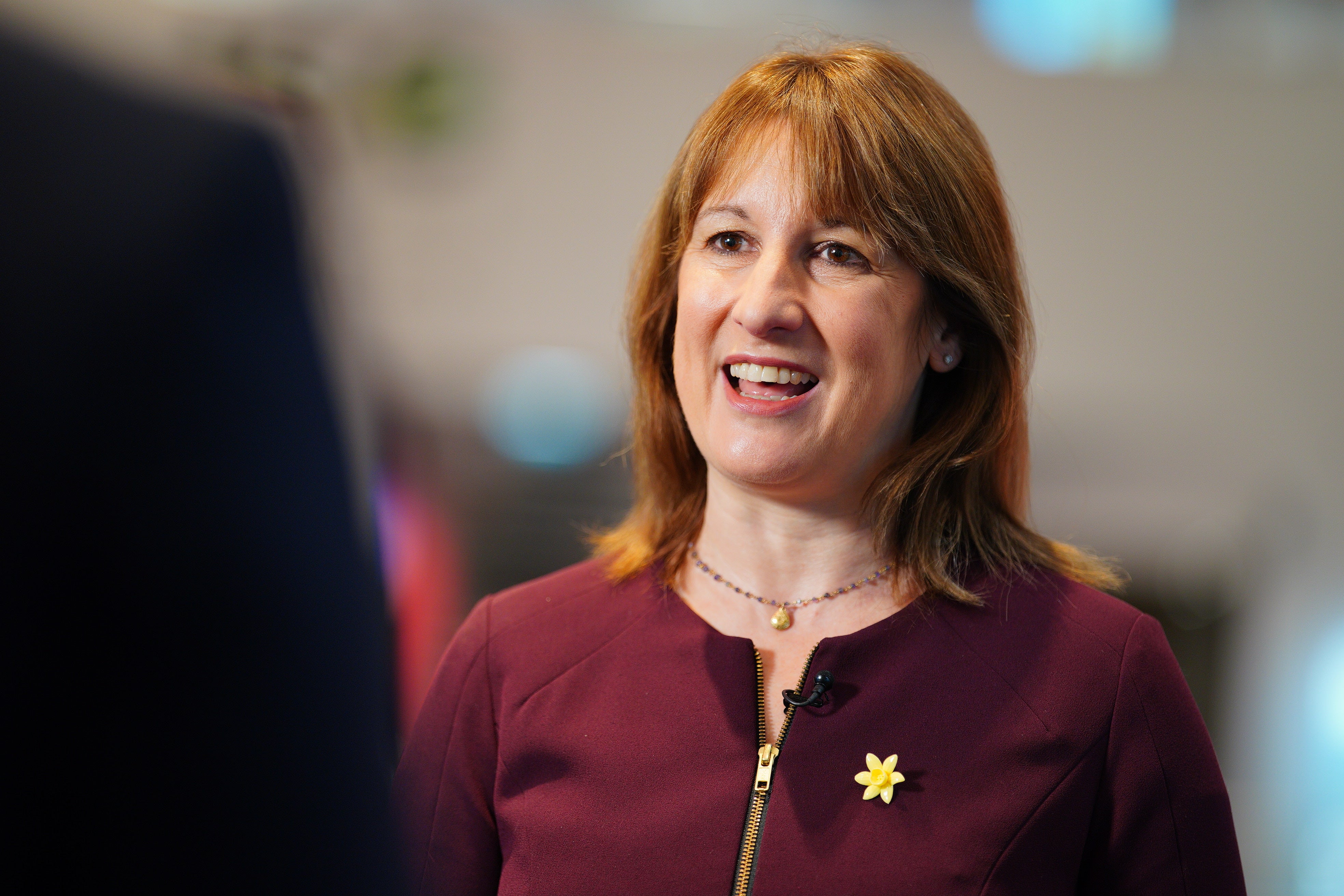
She said: “After years of decline, this is the year the country turns a corner.
“The IMF has upgraded our growth for the third time in a row since April 2025, putting us on course to be the fastest growing European G7 economy this year and next.”
She added: “Thanks to the stability we have brought to the economy and the investment we’ve unlocked, we continue to defy the forecasts and ease the cost of living for families by bringing down bills.”
But the improved news also came amid concerns that Donald Trump’s threat to unleash new tariffs over Greenland could actually plunge the UK into recession and wipe out any economic growth.
The IMF maintained its UK economic growth forecasts for 2026 and 2027 at 1.3 per cent and 1.5 per cent respectively. Global growth is projected at 3.3 per cent in 2026 and 3.2 per cent in 2027.
After previously saying UK inflation was set to surge, the IMF reported it was expected to return to target by the end of 2026 due to a weakening labour market.
It said the global economy has remained “remarkably resilient”, and there were signs that technology-related investment contributed to the UK growth, but not at the same scale as in the US.
While the IMF kept its economic forecast for this year and next unchanged, it nudged up its prediction for 2025 to 1.4 per cent from 1.3 per cent per cent previously.
But shadow chancellor Sir Mel Stride was dismissive of the figures especially considering how far the UK is behind on the global average.
He said: “A 0.1 per cent uptick is not a triumph and the fact Rachel Reeves is celebrating it shows how desperate she has become. The economy is flatlining.”
He went on: “Measuring the UK's economic health by the FTSE 100 alone is ill-advised.
"Most of the corporate earnings within that index arise in other countries, while the more UK-exposed FTSE 250 continues to lag.
"Only Rachel Reeves could congratulate herself on cutting red tape while overseeing the introduction of an Employment Rights Bill that is crippling businesses at a time when unemployment is rising, business confidence is at record lows and growth is flat.
"The chancellor must recognise the dire state of the economy and change course."
Join our commenting forum
Join thought-provoking conversations, follow other Independent readers and see their replies
Comments
Bookmark popover
Removed from bookmarks