UK falls to new low in global corruption scale over party donations and Epstein scandals
The United States has dropped to 29th place, while Denmark and Finland take the lead
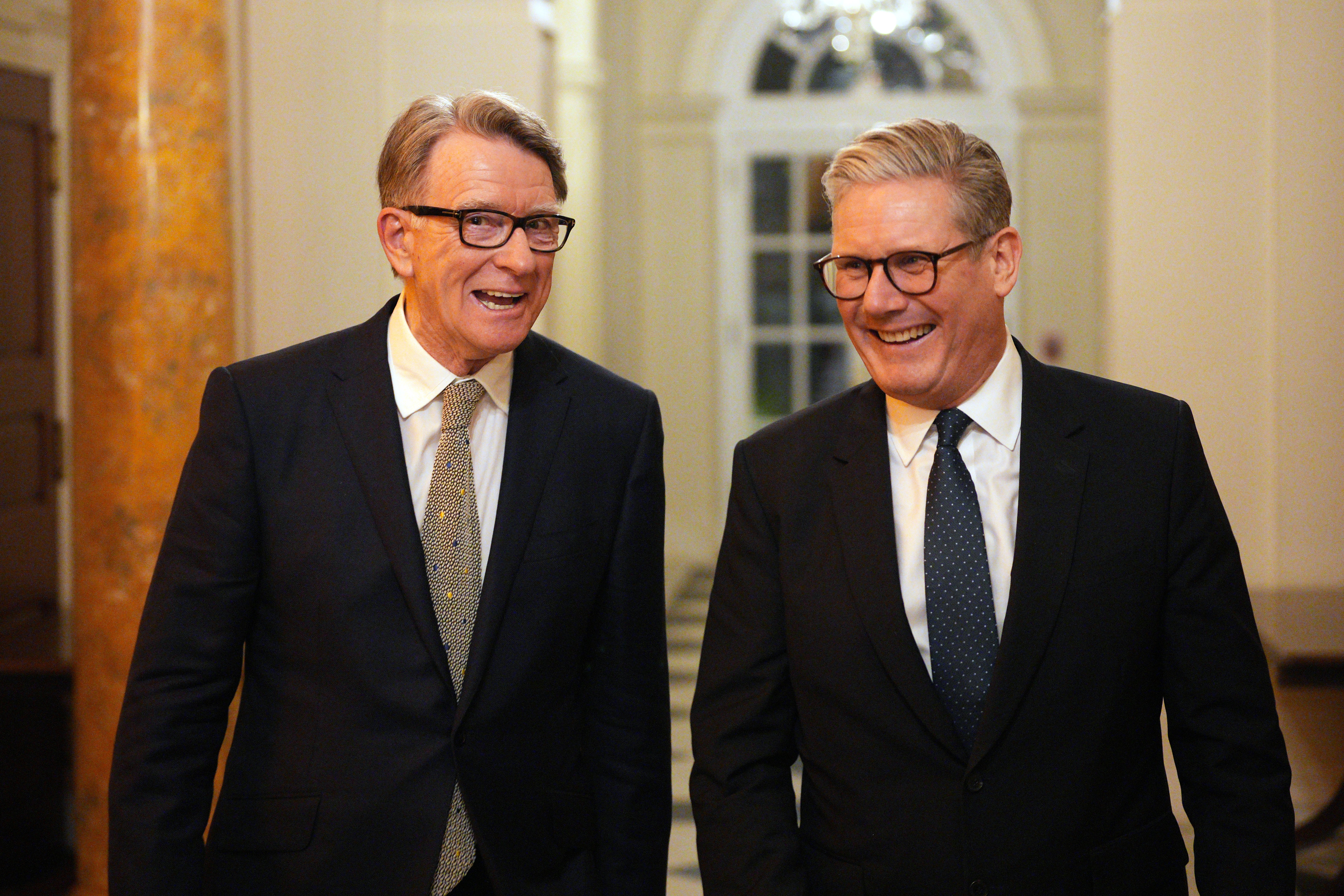
The UK has sunk to a new low on a global corruption index amid political turmoil over party donations and as Sir Keir Starmer’s government struggles to recover from the Epstein-Mandelson scandal.
On a scale of 0 to 100, Britain has now slipped to 70, marking the lowest point since the Corruption Perceptions Index underwent a major revamp in 2012. The UK remains 20th on the list for the third consecutive year, despite previously ranking in the top ten positions.
Transparency International, a campaign group dedicated to exposing corruption, compiled a league table formed by experts and businesspeople, who rate 182 countries on their perceived levels of public sector corruption.
In a statement on its website, Transparency International said: “In the UK, the past decade has seen major domestic scandals, the awarding of favours and honours to political donors, and MPs working as lobbyists for paying clients and corrupt regimes.”
The authors highlighted that the report comes as the government finds itself “mired in scandal” over the relationship between convicted sex offender Jeffrey Epstein and the former UK ambassador to the US, Peter Mandelson, which has posed serious questions over Sir Keir’s judgement.
Other issues that have damaged the UK’s corruption levels include political parties spending record amounts on election campaigning, which was “supercharging” a reliance on wealthy backers, with the Conservatives accepting £15m from a single donor. This is understood to be a reference to businessman Frank Hester, who was accused of making racist comments about former Labour MP Diane Abbott.
The report also noted that the world’s wealthiest man, Elon Musk, had also considered a $100 million (£85m) donation to Nigel Farage’s party, Reform UK.
Labour has also been accused of soliciting cash in return for political access, with donor Waheed Alli receiving a privileged pass to Downing Street. The news came shortly after he donated high-end clothes to Sir Keir’s wife, Victoria.
Daniel Bruce, chief executive of Transparency International UK, said: "For three years running, the UK has been stuck at 20th place in the Corruption Perceptions Index with a score that continues to deteriorate. This persistent decline is not a temporary blip – it risks becoming a defining feature of our political culture.
“The data collection period for this year's index covers some of the highest spending political campaigning on record, alongside troubling reports of access-for-cash arrangements and questionable appointment processes. Unless we act decisively to tackle the corrupting influence of big money in politics and strengthen anti-corruption frameworks, these concerns will become the new normal.
“The UK government must demonstrate that it is serious about restoring integrity. That means taking bold action to remove big money from politics, delivering genuinely open government, and ending the cronyism that undermines public trust in our institutions.”
The United States dropped to its lowest ever score, at 64, and slipped from 28th to 29th place, having been overtaken by Lithuania.
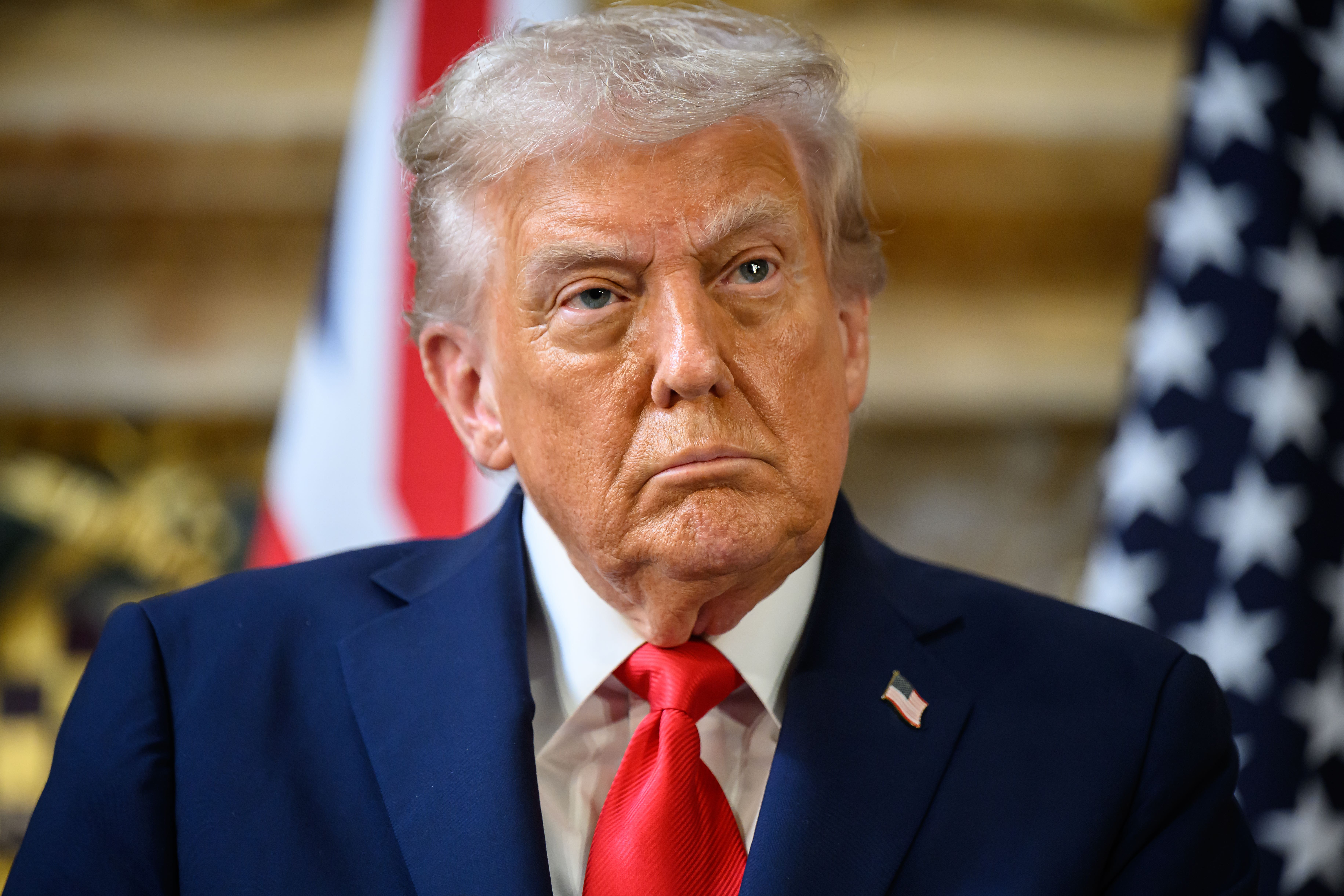
Transparency International noted that the responsibility to prevent corruption has been “sorely tested” by the second Trump administration in the US, with delays to the implementation of anti-money laundering rules and the new ‘Gold Card’ visa scheme, meaning US residency will be available to people who invest large sums in the country.
It also pointed to “the use of public office to target and restrict independent voices such as NGOs and journalists, the normalisation of conflicted and transactional politics, the politicisation of prosecutorial decision-making, and actions that undermine judicial independence”.
Only seven countries ranked higher than 80, with Denmark topping the chart with a score of 89, followed by Finland and Singapore. New Zealand, Norway and Sweden also made their way into the top ten, while South Sudan came at the bottom of the list with a score of nine. Alongside it, as the world’s most corrupt nations were Somalia, Venezuela, Yemen and Libya.
A government spokesperson said: “This government is committed to tackling corruption and protecting working people’s hard-earned money. Our anti-corruption strategy targets corrupt actors directly, cutting off their influence and strengthening the systems that protect our democracy.
“This strategy brings more corrupt individuals in the UK to justice and includes £15m of new funding for an expanded domestic corruption unit.”
Join our commenting forum
Join thought-provoking conversations, follow other Independent readers and see their replies
Comments
Bookmark popover
Removed from bookmarks