BBC TV licence fee will go up in April
The broadcaster’s fee will rise by £5.50 from 1 April
The TV licence fee is to rise by £5.50 from £174.50 to £180 from 1 April, the Department for Culture, Media and Sport (DCMS) said.
The change will add an extra 46p a month onto the licence fee, and is larger than last year’s rise of £5.
DMCS says the increase has been calculated by using the consumer price index (CPI), the main metric used to measure inflation. This method is set to continue at least until the end of the BBC Charter Period in December 2027.
The TV licence is a legal permit that must be acquired to watch or record live programmes on any device. Anyone who watches or records broadcasted TV programmes must have a TV licence. This can either be through purchase or given free to those receiving pension credit and 75 years or older.
This includes the BBC iPlayer, and all forms of transmission such as smart televisions, laptops and tablets. It is not only BBC services that require a fee – streaming live sports also requires a TV licence.
The annual fee is the BBC’s primary source of funding, giving the public broadcaster £3.66 billion in 2023/24.
A statement from DMCS says: “The increase in the cost of the TV licence will help keep the BBC on a stable financial footing, enabling it to continue to deliver on its Mission and Public Purposes.
“The BBC is the UK’s number one media brand, with 94% of UK adults using the BBC each month last year and it remains the UK’s most widely used and trusted news outlet.”
It adds: “The government recognises the financial pressures on households and is committed to ensuring the BBC’s funding model is sustainable, fair and affordable.”
Last year, the government reportedly began looking at options to expand the licence fee and secure long term funding for the public broadcaster.
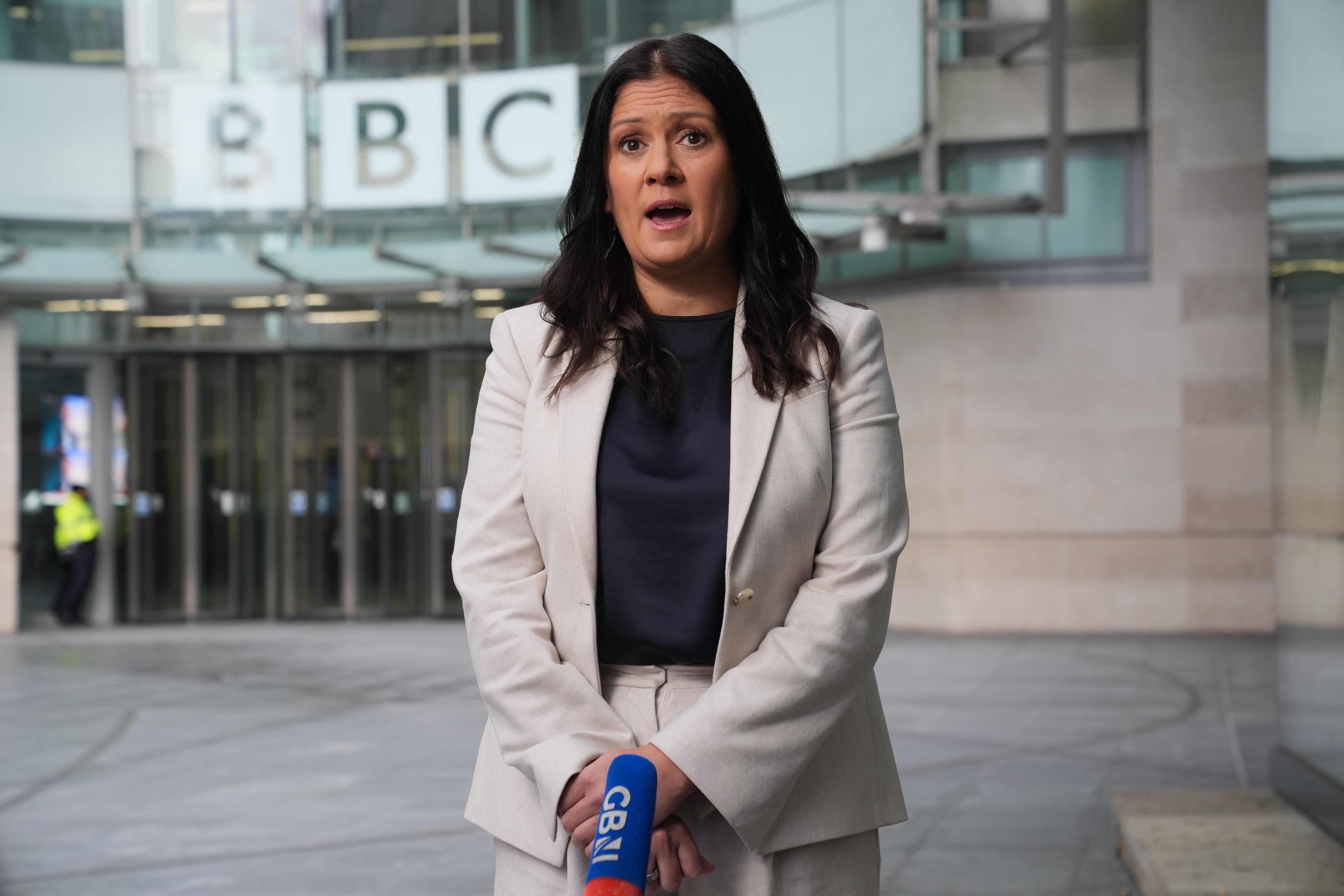
Culture secretary Lisa Nandy has said she is committed to upholding the licence fee until the review of the BBC’s Royal Charter is due in 2027. The minister launched a Green Paper on reforms last year which she said will consult “on a wide range of options being considered for the future of the BBC”.
The BBC’s 2025 annual report found that a further 300,000 households have stopped paying the licence fee, equating to a loss of around £50m in revenue for the corporation.
The report added: “As we approach the end of the charter, we will proactively research how we might reform the licence fee to secure the benefits of a well-resourced, universal BBC of scale for the long term.”
One industry proposal is to introduce a household levy that could be attached to council tax bands and still exclude certain groups, a model found in Germany. Ms Nandy has ruled out a new tax to fund the public broadcaster, as is seen in Sweden, Norway, Finland and Denmark.
Last month, it was reported that the BBC is working on ways to use iPlayer to find households that have not paid for a TV licence. The move would see up to 30 million online BBC accounts linked with home addresses for the first time to help find households that are accessing the streaming service without a licence.
Join our commenting forum
Join thought-provoking conversations, follow other Independent readers and see their replies
Comments
Bookmark popover
Removed from bookmarks