Tax return deadline: Expert reveals her ten tips for completing self assessment
A personal finance expert outlines what you need to know ahead of January 31
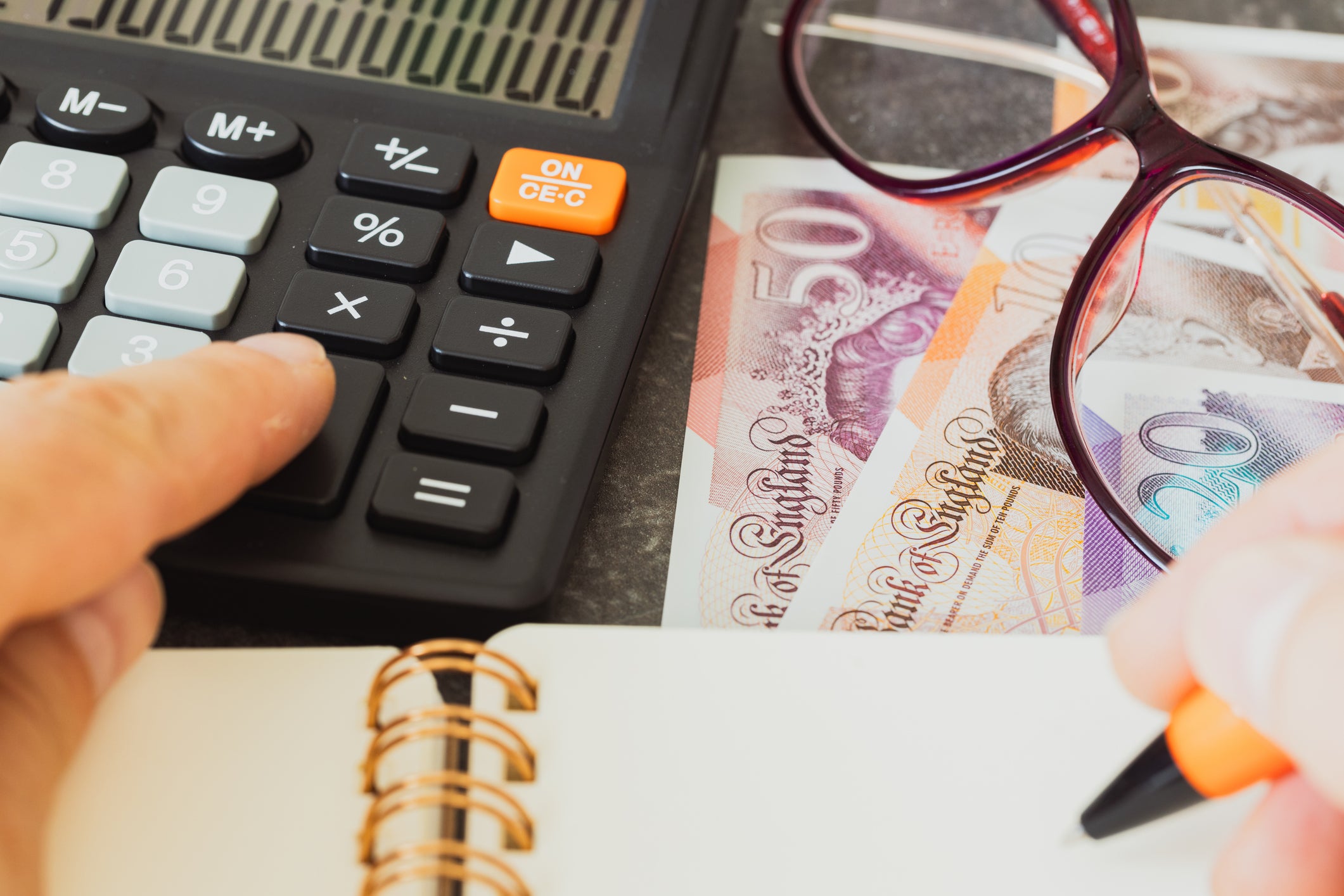
The HMRC tax return deadline is fast approaching.
Those who need to do a self assessment have until January 31 to complete it - and pay the tax they owe.
Sarah Coles, head of personal finance at Hargreaves Lansdown, offers some advice for people doing their tax returns in coming days.
She said: “The UK is a nation of last-minute procrastinators, hoping to sneak an eleventh-hour tax return under the wire.
“Almost half of people who need to do a self-assessment tax return by the end of the month hadn’t got round to it by the start of 2026.

“And while there’s nothing wrong with being motivated by a deadline, it raises the risk of something going awry.
“If you need to complete one, and haven’t got round to it yet, there are 10 last-minute checks to do – to make sure you’ve dodged the key tax return traps.”
1. Check you have access to the system first
Coles said: “Make sure you have your Unique Taxpayer Reference number and can access the Government Gateway right now.
“If you haven’t registered for self-assessment, do it now, because your UTR will take up to 10 days to reach you by post. If you’ve not registered for the Gateway yet, it will take up to 10 days for your activation code to get to you. If you’ve forgotten or lost any of these things, you can recover them.
2. Beware of capital gains tax mistakes
The expert explained: “If you sold assets like shares after October 30 2024, the system won’t automatically calculate the correct amount of capital gains tax you have to pay.
“Annoyingly, you need to use the adjustment calculator on the Gov.UK website to make changes to the calculation.”
3. Consider the impact of frozen tax thresholds
“If a pay rise pushed you over the income tax threshold into paying higher or additional rate tax, the extra tax on your income may have been taken through the PAYE system, but it may also mean you have to complete a tax return,” Coles said.
“You may need to reclaim tax on pension contributions or charitable donations, or you may need to pay tax on your savings now your personal savings allowance has dropped.
4. Consider child benefit
“The high-income child benefit charge kicks in at £60,000,” the expert confirmed.
“If your income (or your partner’s) has pushed over the threshold since, and you receive child benefit, you will need to repay at least some of it through self-assessment.
“If you tick the box, it will calculate what you owe. If you only use this to pay the high interest child benefit charge, you can opt out and pay it through your tax code using the new PAYE digital service.”
5. Don’t forget crypto
“HMRC has been reminding people that gains from crypto need to be declared for capital gains tax purposes, if it took your total capital gains over your annual allowance, you will need to pay tax,” Coles warned.
“If you made a loss, you’ll also need to complete a tax return if you want to offset it against gains in future years.”
6. Remember gains from trading on sites like e-Bay and Vinted
Coles said: “This will only include things you have made or bought and sold for a profit – rather than items from a general clear-out.
“You also have an allowance of £1,000 if you’re selling for profit, but after that, you need to declare this by completing a tax return.

“These sites only started having to automatically disclose these gains to HMRC in 2024, but you are responsible for paying this tax.”
7. Don’t rush the pensions bit
The expert explained: “This is a common area for mistakes to happen.
“Higher rate taxpayers need to make sure they claim higher rate tax relief if it isn’t done automatically. For example, on a personal pension or SIPP you need to enter the gross value of contributions.
“This isn’t just a total of all the money you paid in: it includes the tax relief on top. For example, if you have contributed £800, the gross amount after tax relief is added is £1,000.”
8. Check you have actually paid
“You’d be surprised how many people are so focused on the admin that they forget this bit,” said Coles.
“If you owe tax, you need to pay this no later than January 31 or you’ll pay interest and a fine.”
9. What if I can’t pay?
“If you can’t afford your bill, see if you can use a time-to-pay arrangement, spreading your tax bill over the coming months,” said Coles.
“You should be able to do this online if you owe £30,000 or less, you’re within 60 days of the payment deadline, and you don’t already have a payment plan with HMRC.
“It will only be possible to set this up if HMRC thinks you can afford it, so it’s not a solution for everyone, and there is interest to pay on outstanding cash, but it’s a better solution than simply missing the payment and paying fines on top of interest.
10. Check whether you have to use Making Tax Digital for income tax from April 6 this year
“Sole traders and landlords with a turnover of more than £50,000 will need to use it, so you’ll need to sign up as soon as possible,” she said. “Getting started will give you time to get to grips with the software you have to use, and understand the new service. If the change starts to make the process too time-consuming, it gives you a chance to find an accountant to help too.
“While, you’re there, consider what your tax return has revealed about your finances: If you spent ages digging out details of interest payments, dividends or profits on share sales, consider consolidating to simplify things.
“Use your tax return like a checklist: If you ended up paying tax on savings or investments, look for ways to shelter them from tax, like ISA and pensions.
“Not only can it save tax, but it also means you never have to bother with them on a tax return again.”
Join our commenting forum
Join thought-provoking conversations, follow other Independent readers and see their replies
Comments
Bookmark popover
Removed from bookmarks