How motorists can claim money back if wrongly caught speeding
The National Highways has identified around 2,650 incorrect camera activations since 2021, attributing them to a technical fault
Thousands of motorists wrongly caught speeding could claim compensation if they prove financial losses stemming from a National Highways error.
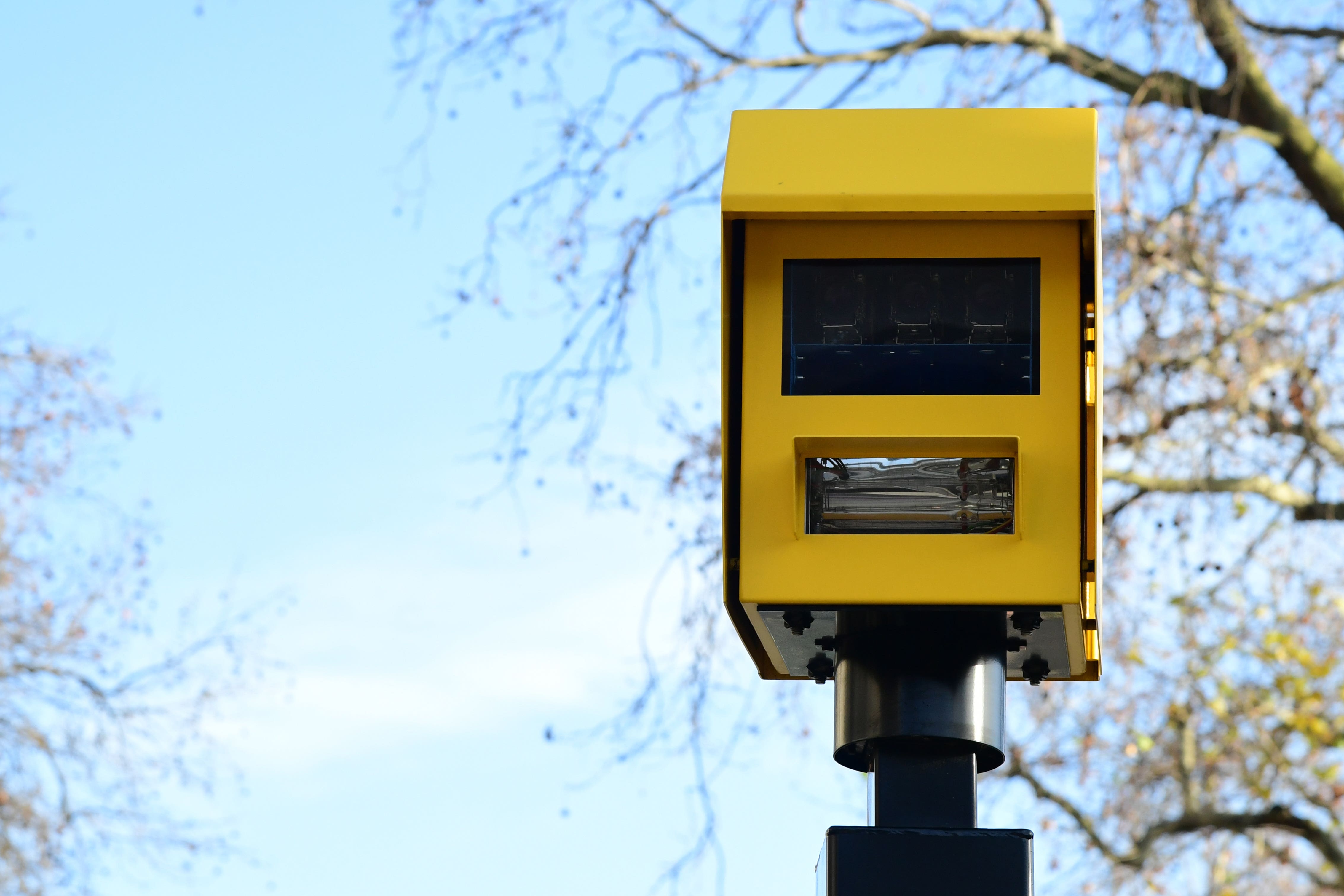
The agency has identified around 2,650 incorrect camera activations since 2021, attributing them to a technical fault.
Not all flashes led to fines, as camera activations are not always enforced.
However, for those erroneously caught, "points doesn’t mean prizes," Lord Burnett of Maldon noted.
The crossbench peer and former lord chief justice said: “It means increased insurance premiums, and it can be extremely difficult for any of us to understand precisely why an insurance premium from one year to another has increased.
“Will the Government be sympathetic to those who are unable to produce precise figures because their insurers won’t give them to them?”
Transport minister Lord Hendy of Richmond Hill said: “I think the Government has to be a good custodian of public money, and therefore understand whether there’s a loss and what it is.
“But I’m sure that evidence of one year’s premium with another, which, if it’s solely related to points and not to any other form of driving, must be at least a – if I was a claimant, I would think that would be acceptable.”
The Press Association understands most of the motorists affected took speed awareness courses.
It is thought the number of drivers wrongly prosecuted for speeding or failing to pay a fine is in the low double digits, with a very small number of drivers wrongly disqualified.
The Department for Transport has launched an “independent review into how the anomaly occurred”, Lord Hendy told peers.
Conservative former minister Lord Young of Cookham had earlier asked about compensation for “those who had to take time off work to attend speed-awareness courses” or drivers who lost their licences and therefore their jobs.
“The relevant police forces will contact those affected directly with details on what action is being taken to provide redress,” Lord Hendy said.
“All those notified by the police will receive details on how to contact National Highways if they have evidence of cost associated with this incorrect enforcement, for example, those associated with licence loss.”
Conservative peer Lord Geddes said he was “done” for driving on a motorway at 60mph in a temporary 50mph limit, “when in broad daylight, fine weather, no roadworks, no obstruction, no accidents”.
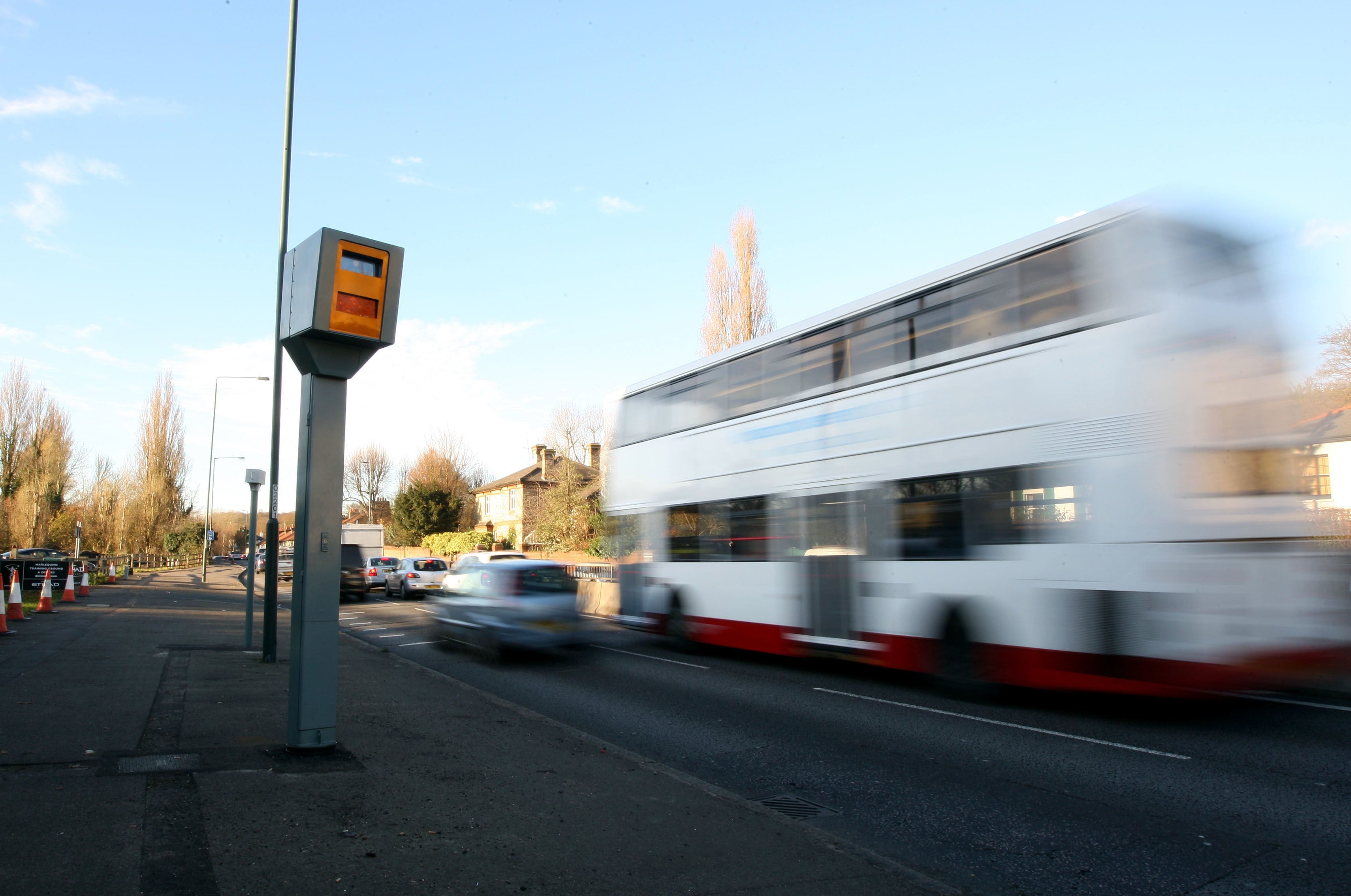
Asked to tell National Highways not to “abuse these temporary limits”, Lord Hendy said that variable speed limits were “particularly used on busy urban roads to even out the flow of traffic”.
Stop-start conditions on routes such as the M25 “both create some dangers themselves and also crucially lower the capacity of the road”, the minister added.
He said: “So, my advice to people when the speed limit goes down is to follow it, because it will save you getting into a huge jam.”
Lord Hendy had earlier taken a question about rail infrastructure in south-west England.
Crossbench peer the Earl of Devon asked what plans the Government had to re-route the railway at Dawlish, where trains run along the sea wall.
A storm in 2014 washed away part of the railway, leaving southern Devon and Cornwall cut off from the rest of Britain’s railway network.
“Since the collapse of the line into the sea in Dawlish in 2014, about £140 million has been spent on resilience in order to keep the railway running,” the minister said.
“There is work left to do, in particular the cliffs at Teignmouth, but there is no practicable, affordable alternative route that can be provided anytime soon.
“So actually, railway colleagues have to keep going on keeping that line open, whatever the weather.”
Join our commenting forum
Join thought-provoking conversations, follow other Independent readers and see their replies
Comments
Bookmark popover
Removed from bookmarks