Laboratory safety breaches ‘exposed scientists to potentially deadly diseases and infections’
Health and Safety Executive launches investigations into more than 40 incidents at specialist labs
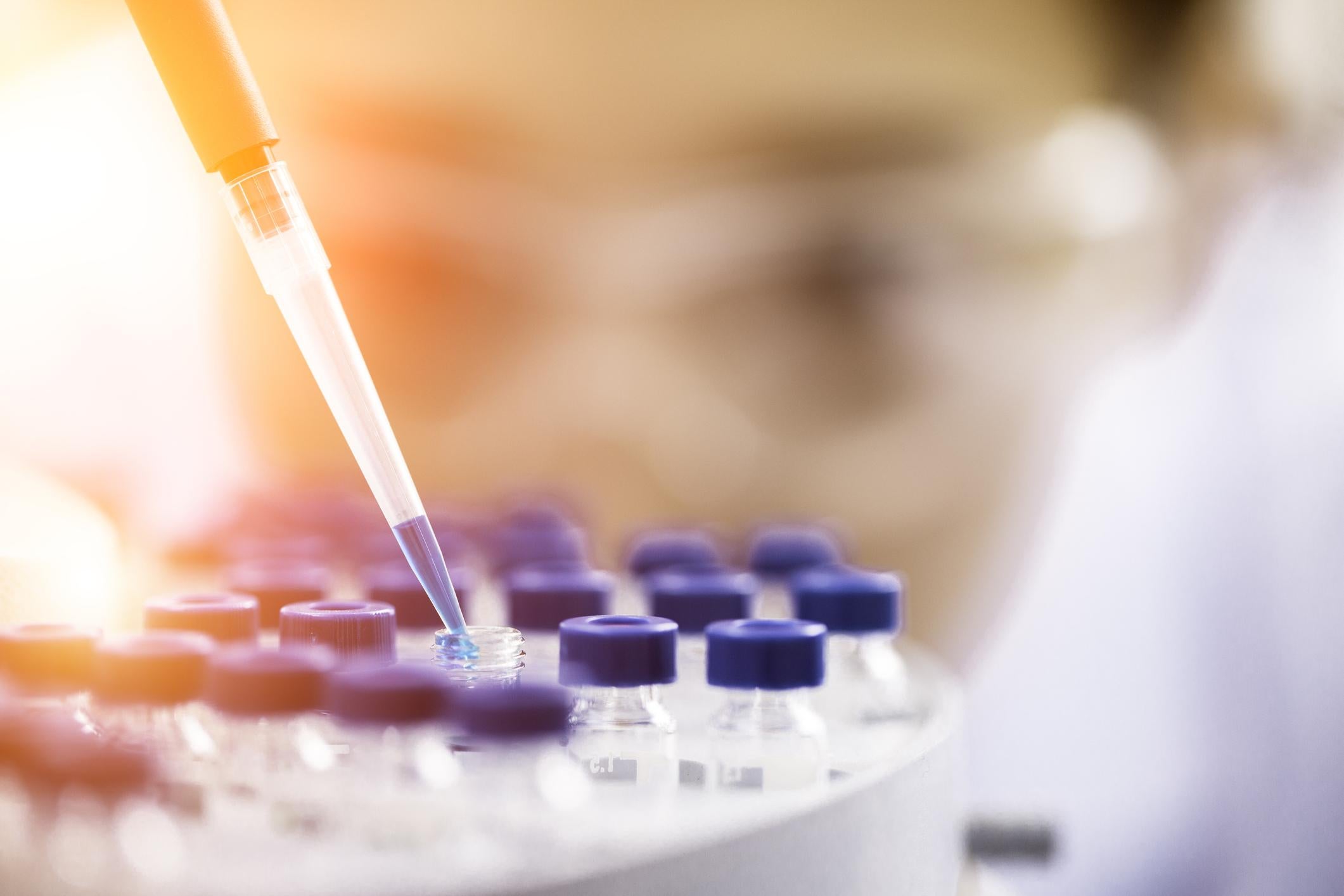
Safety breaches at UK laboratories have reportedly spread infections to scientists and exposed others to potentially deadly diseases.
The Health and Safety Executive launched investigations into more than 40 incidents at specialist labs between June 2015 and July 2017.
Mistakes led to staff falling ill at labs run by hospitals, private companies and Public Health England (PHE), according to The Guardian.
One scientist working at a PHE lab contracted the infectious disease Shigella, while another, who was employed by a private company, was hospitalised after falling ill with salmonella poisoning, the paper reported.
It also detailed errors which led to the dengue virus being posted by mistake, staff handling potentially lethal bacteria and fungi without adequate protection, and students studying live meningitis-causing germs they thought had been killed by heat treatment.
The HSE said in a statement: “The sector has a good health and safety record, with a high level of control of the most hazardous organisms.
“The role of maintaining this record is down to the diligence of the duty holders themselves as well as our role as the regulator.
“There have been a limited number of instances over the past two years where biological agents have been received by UK labs from other labs within the UK that were unsolicited, mislabelled or unlabelled.
“However, these cases are in the minority and there was no significant threat to public health. We are satisfied that the action we took in each case was proportionate.”
A total of 82 incidents were reported to the HSE’s microbiology and biotechnology unit over a two-year period, but no investigation was deemed necessary in 40 of the cases.
Such reports are made where an incident “resulted or could have resulted in the release or escape of a micro-organism likely to cause severe infection or illness”.
PHE chief executive Duncan Selbie said: “Nothing is more important than the health and safety of the public and our staff.
“We are open and transparent when rare mistakes happen, and always improving our safety systems.”
Press Association
Join our commenting forum
Join thought-provoking conversations, follow other Independent readers and see their replies
Comments
Bookmark popover
Removed from bookmarks