This is the amount you need to save to feel financially comfortable
Emergency fund of nearly month’s typical salary cuts chance of falling into debt by 60 per cent, study says
Having a savings pot of up to £2,000 significantly cuts the risk of falling behind with household bills, researchers say.
Households with an emergency fund that size reduce their chances of getting into debt by 60 per cent compared with those who have less than £200 saved, because they can use the cash for unexpected expenses.
For an average UK household, a £2,000 buffer is nearly a month’s salary, which is £2,912, according to the Office for National Statistics (ONS).
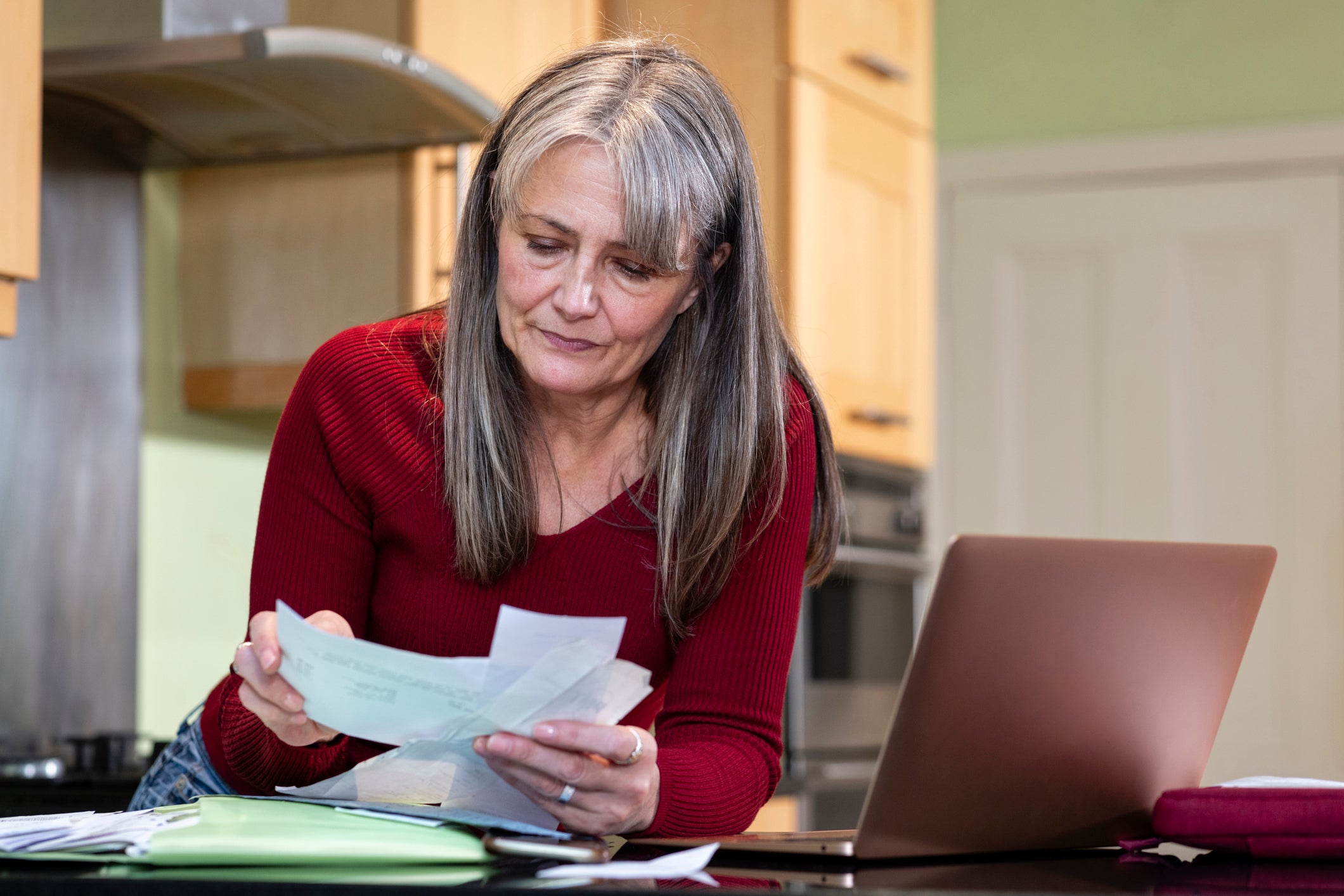
The cost-of-living crisis has increasingly pushed people into arrears on household bills in the past five years.
British household energy debt has tripled in a decade, according to the Resolution Foundation think tank.
But the study, commissioned by the Building Societies Association, suggests that having a month’s income put by potentially reduces the odds of falling behind with bills by nearly three-quarters (75 per cent).
Researchers from the University of Bristol’s Personal Finance Research Centre tracked the finances of about 7,000 people over 10 years.
The academics said £2,000 should not be seen as a minimum requirement, because even saving £200 could potentially lower the chances of financial problems.
Households with a mix of savings and investment products were five times more likely to say they were living comfortably than those with none, the research indicated.
Saving regularly and setting a savings goal that is realistic is key to success, the researchers said.
But the Resolution Foundation report this month said millions of working-age families in Britain were struggling to save, with at least two in five having less than £1,000 in available savings.

Andrew Gall, head of savings and economics at the association, said: “We appreciate that for some families £2,000 may feel out of reach right now.
“But the research has demonstrated that even small, regular savings, such as £10 a month, will build resilience over time and improve people's wellbeing.”
He said people with good savings habits were more likely to go on to have other savings and investments, which may help people buy their first home.
Sara Davies, associate professor at the University of Bristol and part of the research team said: “This research reaffirms the protective effect of holding a financial buffer, giving households a bit more room for manoeuvre should they face an unexpected expense or shock to their income.”
Debt charity StepChange has previously called for a debt-relief scheme to address historic energy arrears, an overhaul of council tax regulations – including the end to imprisonment rules – and government action to build “household financial resilience”.
Additional reporting by PA
Join our commenting forum
Join thought-provoking conversations, follow other Independent readers and see their replies
Comments
Bookmark popover
Removed from bookmarks