Warning of ‘extreme risk’ over first budget proposed by Reform council
The latest budget will be the first under a Reform-led Kent County Council.
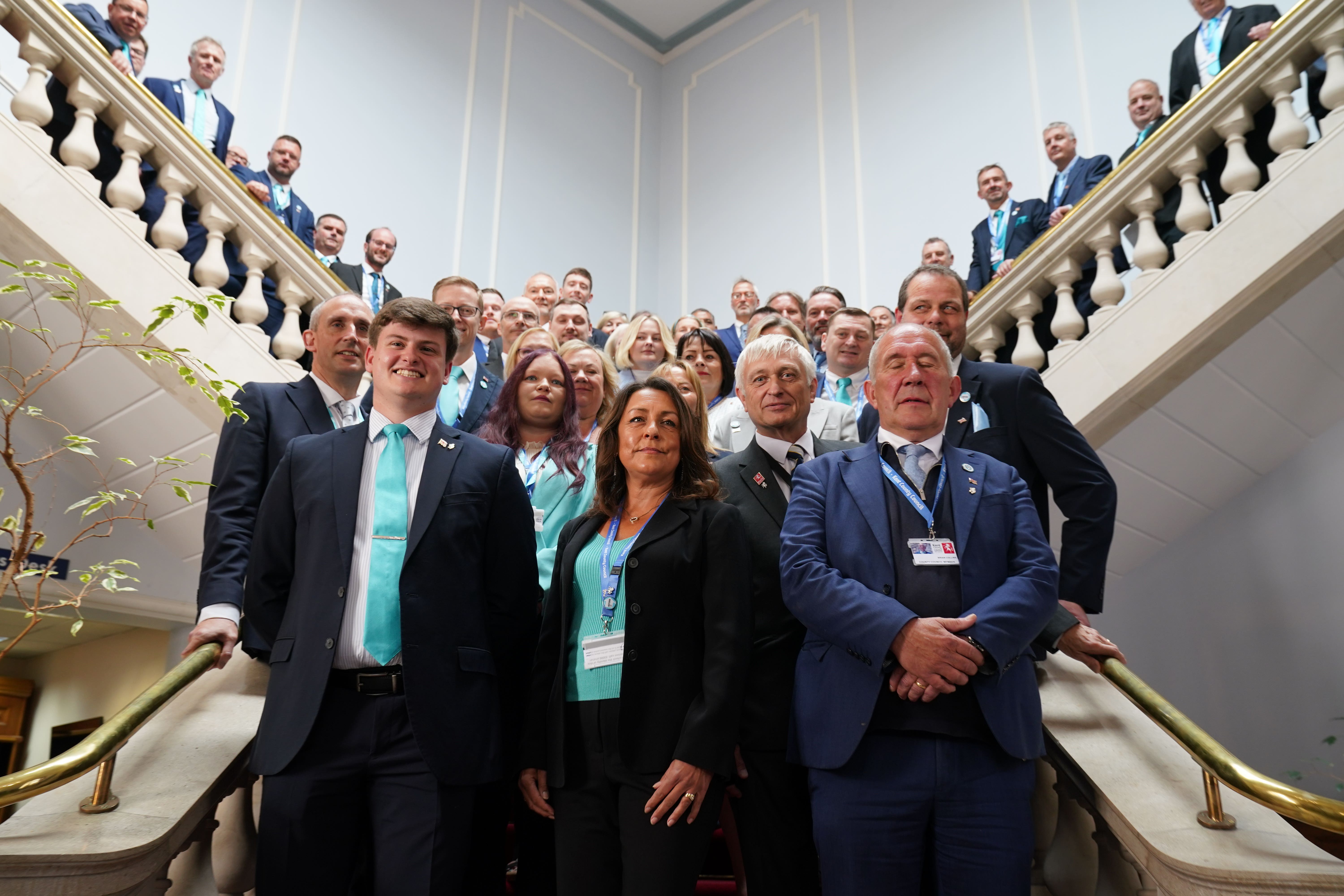
Reform UK’s “flagship” local authority in Kent has been accused of proposing a budget of “extreme risk” and one that is “potentially reckless” by opposition leaders ahead of a vote on the financial plans.
The latest budget will be the first under a Reform-led Kent County Council since Reform came to power after local elections in May last year.
Opposition parties have warned against “dangerously low” reserves and the authority’s “highest ever exposure to financial risk” totalling more than £410 million on the risk register.
Kent’s Reform leaders have already proposed a 3.99% council tax increase, 1% under the limit before a referendum is required, despite promising ahead of their election victory not to raise tax.
Introducing the budget at Thursday’s meeting, deputy leader Brian Collins said: “Today we are all witnessing history. I am honoured and proud, I stand before this chamber and present the first budget of a Reform UK-led county council.
“This is not just a change of administration, it’s a change of direction.”
Council leader Linden Kemkaran said Reform would prefer not to propose a council tax increase at all but given “the dire legacy we inherited” alongside an unprecedented rise in demands and costs for services such as social care, “this is simply not possible”.
But opposition bosses have criticised the move for not raising it to the maximum possible, which will leave the council with £10 million less for the next financial year that could have protected services and reserves.
They also pointed to a statement from the council’s head of finance David Shipton, legally required to be considered for the budget, where he said: “The decision to raise the council tax household charge below the level permitted without a referendum poses a long-term financial risk as a result of the council tax income forgone.”
Leader of the opposition, Liberal Democrat Antony Hook, said it is a budget that is “built on broken promises to the taxpayer”, and described it as a “casino budget” where Reform have already “lost control” this year with a forecast overspend of £36.5 million.
He said: “They are putting our risk levels on steroids, while burning the safety net.
“And it gambles the solvency of this authority on the hope that risks rated as likely won’t materialise.”
In Mr Shipton’s statement, called Section 25 assurance, it also said the level of forecast overspend for this financial year poses a “significant risk” to the council’s reserves and financial sustainability.
It added: “Without improvement there is a risk that the general reserve available in 2026/27 would be below the recommended 5% to 10% target range.”
The budget papers said the proposals are balanced by £25 million in “one-off measures” that will need “to be replaced by sustainable solutions in future years”.
Mr Hook said the budget selling off assets to pay for day-to-day spending “leaves a financial hole” for the following year, warning: “You can only sell an asset once.”
Speaking against the budget, leader of the Independent group, Paul Thomas, said it was “blind ambition” and “potentially reckless”, adding: “If it goes wrong and you need to dig deeper into reserves.”
Conservative leader Harry Rayner described it as a “real gambler’s budget” while Labour’s chief Alister Brady said Kent County Council was “heading for financial danger” under Reform.
But Ms Kemkaran said: “This is a responsible budget.
“It protects key services. It begins to repair the council’s finances. It starts to reduce debt, and it does so without placing unnecessary additional burdens on the people of Kent.
“There is more to do. There will be tough decisions ahead, but for the first time in many years, this council is moving in the right direction.”
Adult social care and health is “one of the most critical threats to the council’s financial resilience” with an estimated annual £68 million risk, budget documents show.
The risk register rates the current likelihood of the risk as four out of five, noting pressures from rising demand, workforce shortages and inflating costs.
It said to address the budget gap for 2026/27, there is a limit for price uplifts for care providers between 0-3.6% among the measures, but it notes the move could worsen recruitment and retention issues and lead to contract handbacks and more costly placements.
“Failure to achieve savings or manage demand will result in significant overspends and increased reliance on reserves, which are already insufficient,” the risk register said.
Adult social care and health is forecast for an overspend of £49.7m this financial year.
The debate continues.
Bookmark popover
Removed from bookmarks