Britain deluged by rain for 40 days straight – how bad is it and how long will it last?
'Winter is stuck on repeat', Met Office says, while Wildlife Trusts warns of impacts on vulnerable species
Like some sort of biblical punishment, rainy old Blighty seems even rainier than ever, with 40 consecutive days of rain falling from slate-grey skies making every day so far in 2026 a wet one.
And there's more to come. "We start the week once again with more rain in the places that we've seen a lot of rain in the last few weeks," said Met Office meteorologist Aiden McGivern, "and for some that means it's the 40th day of rain this year".
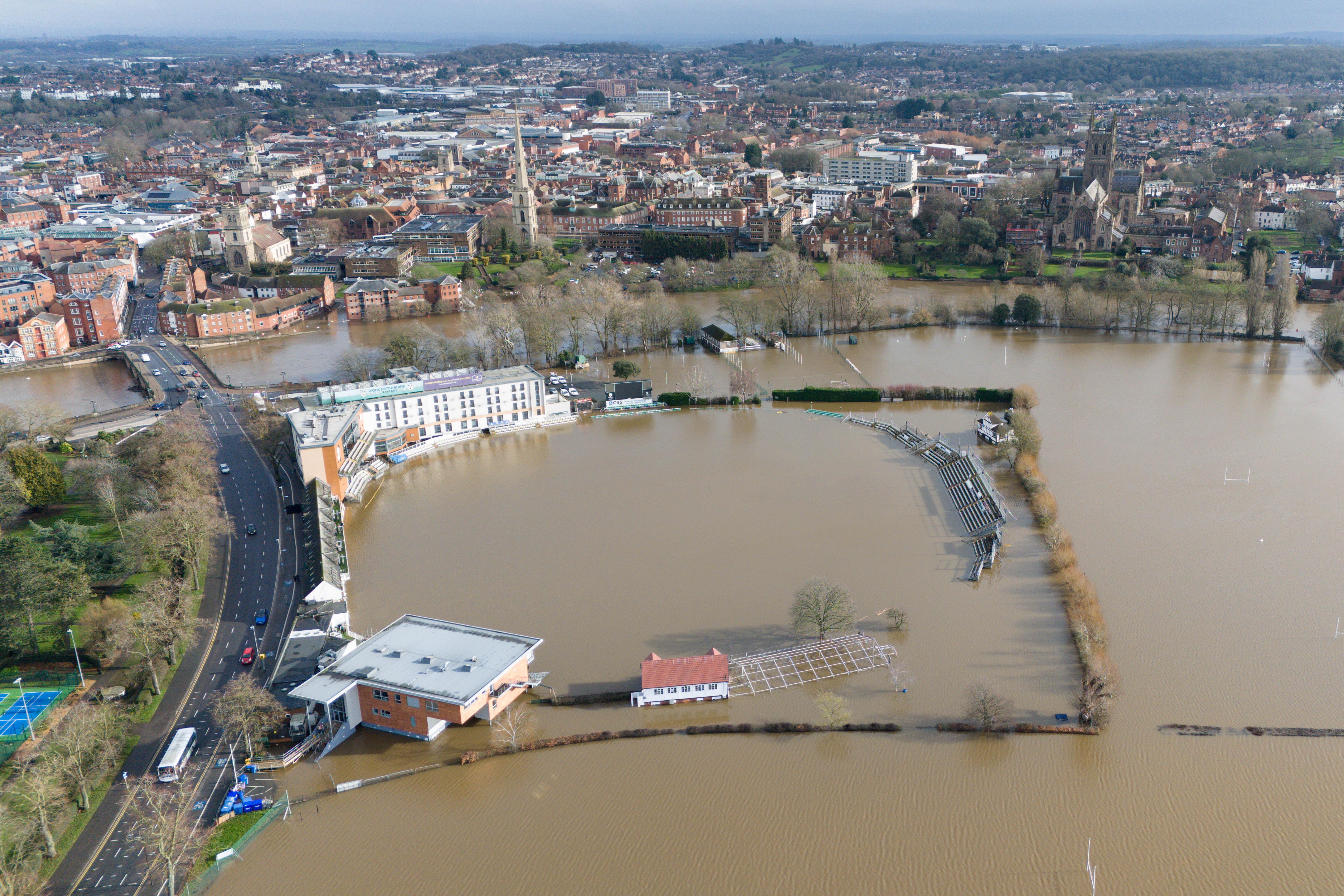
The Environment Agency has issued more than a hundred flood warnings, while the Met Office has issued yellow rain warnings for Monday, Tuesday and Wednesday with the south west and Scotland bearing the brunt as the inclement weather continues, while another band of heavy rain is forecast across much of the rest of the country too.
This is all accompanied by "extensive low cloud and mist and some fog in places," Mr McGivern added.
This has made it "an exceptionally wet start to the year", the Met Office said, leaving many places with the sense that "winter has been stuck on repeat".
How wet has it been?
Very wet. Cornwall and County Down in Ireland both logged their wettest January on record, while Northern Ireland endured its wettest in 149 years.
Across the UK, 26 stations set new monthly rainfall records, while several daily records also fell – Plymouth saw its wettest January day in 104 years, Hurn in Dorset in 74 years, and Dunkeswell in Devon in 57 years.
The figures indicate that 2026 has splashed down with a rainfall intensity and frequency rivalling some of the most extreme periods ever observed in the country.
Spare a thought for the saturated souls residing in North Wyke in Devon, Cardinham in Cornwall and Astwood Bank in Worcestershire – places which have each logged 40 consecutive wet days – from 31 December to 8 February.
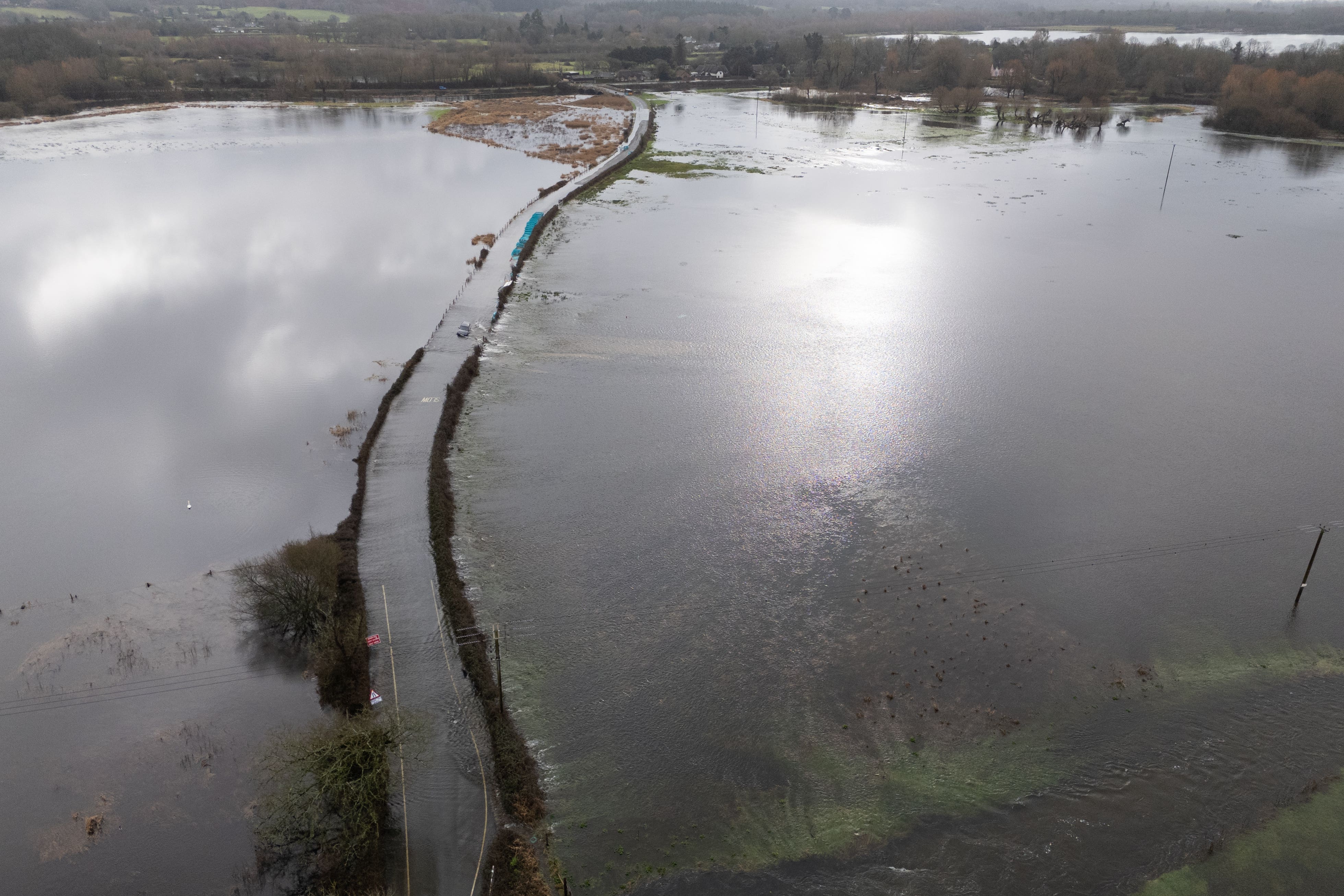
Meanwhile two other places – Liscombe in Somerset and Camborne in Cornwall – have seen 37 straight days of rain over almost the same period.
But perhaps bleakest of all is the news that Aberdeen hasn't seen a single minute of sunshine for two weeks and counting – the longest period for the area since records began in 1957.
The UK has already reached 89 per cent of its average winter rainfall, with England surpassing its seasonal norm at 111 per cent. Wales stands at 94 per cent, and Northern Ireland has edged above average at 101 per cent. Scotland is lower at 69 per cent, though that national figure masks sharp regional contrasts in this winter’s weather, the Met Office said.
What's driving the deluge, and when is it going to cease?
According to the Met Office's chief forecaster Neil Armstrong, the relentless mizzle, drizzle, rain and downpours across the country have "been driven by a strong, south-shifted jet stream steering low pressure systems directly towards the UK.
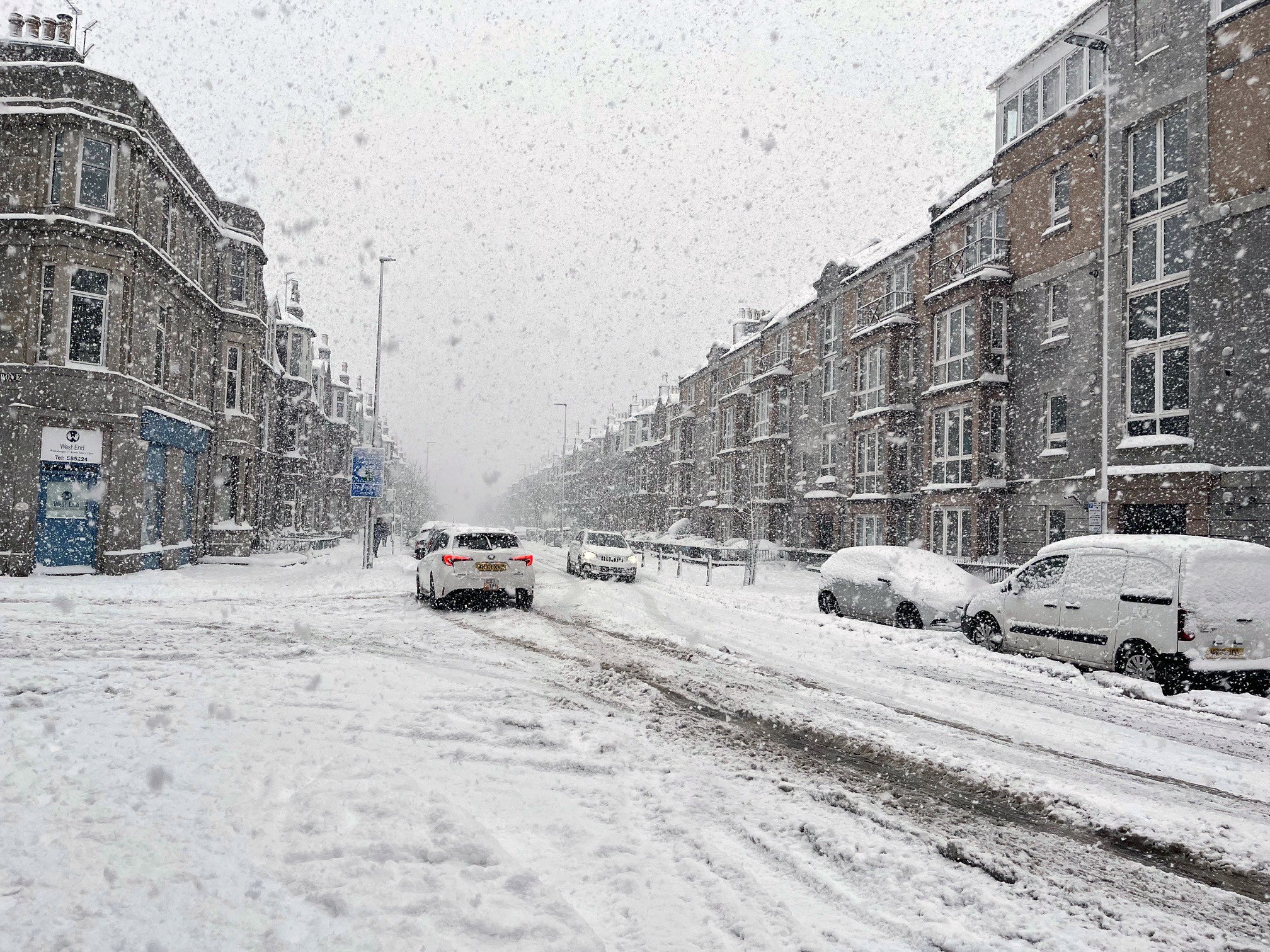
"Cold plunges of air across North America have strengthened the temperature gradient across the northwest Atlantic, energising the jet, while a blocking high over northern Europe has prevented weather fronts from clearing, causing them to stall over the UK.
"The result has been continuous waves of rain, strong winds, and hill snow in parts of Scotland," he added.
His colleagues have also shed some light on when the rain will go away, but have also warned it is set to come another day – and soon.
"If you're sick of all this kind of weather, well there is some hope on the horizon – something a little less wet heading our way for later in the week and into the weekend," Mr McGivern said.
But this break may be short-lived. Deputy chief forecaster Steven Keates added: "We are likely to see the transition from wet and windy weather to colder, more settled conditions towards the end of the week, with Saturday looking a fine day for many. But, this reprieve doesn’t last long, as the next set of Atlantic weather fronts looks set to move in from the west at the end of the weekend.”
As average temperatures rise due to the climate crisis, forecasters have previously warned that wetter weather is increasingly likely, as a warmer atmosphere can hold more water.
What has been the impact?
For humans the impact is increased flood risk, chaotic travel, saturated farmland, and obviously despair at the constant gloom.
Meanwhile for the natural world, the unusually wet weather also represents major challenges for some species.
Experts at the Wildlife Trusts have warned the extreme weather may already be taking a toll on many creatures, as saturated farmland leaches pollutants into Britain's already environmentally-compromised waterways.
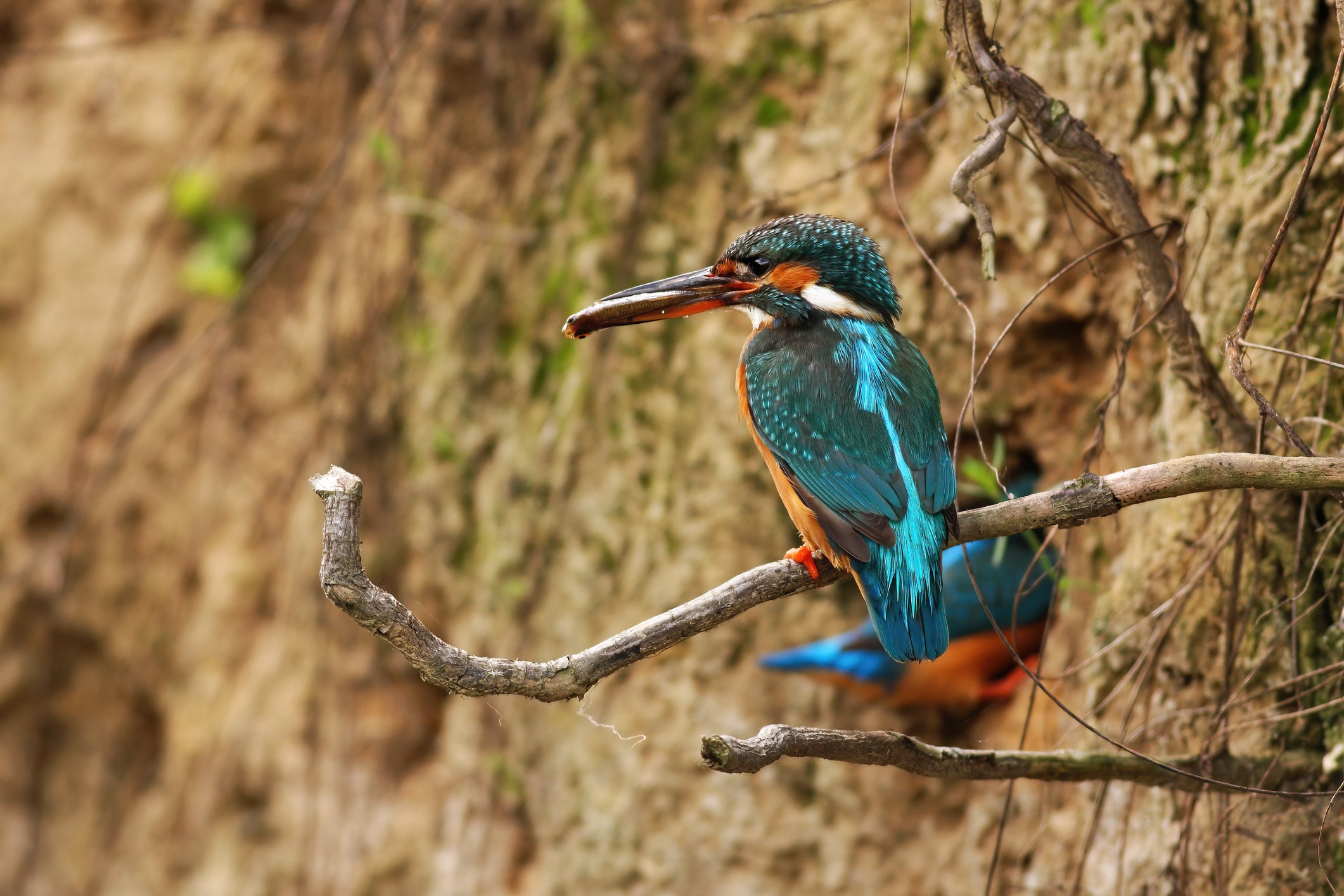
As well as species living in the rivers, those dwelling in riverbanks, such as water voles and kingfishers are particularly at risk from unusually high river levels.
Eleanor Johnston, climate change manager at The Wildlife Trusts, told The Independent: “As global temperatures rise, we can expect more extreme weather like flooding as warmer, wetter winters are dominated by heavy rainfall.
"This affects the places we live and our public safety, as well as farmland and our natural world. For instance, heavy rainfall can push more pollutants into our waterways and across fields, impacting the delicate ecosystems, while water voles, kingfishers and other wildlife may find their riverbank homes flooded out or washed away."
She said that this can mean the loss of eggs and young, which can then have an impact further up the food chain, affecting birds like owls and larger mammals too.
"Flooding also exacerbates the spread of invasive non-native species [such as] Himalayan balsam, signal crayfish and associated diseases … by helping disperse seeds downstream," she added.
But it's not time to fire up the ark just yet. The organisation is calling for more nature-based solutions to tackle the UK's rising flood risk, including restoration of bogs, wetlands, peatlands, all designed to hold more water in the landscape, slowing runoff – which reduces the impact of floods – as well as providing much needed habitat for species such as curlew, golden plover and green hairstreak butterflies.
Join our commenting forum
Join thought-provoking conversations, follow other Independent readers and see their replies
Comments
Bookmark popover
Removed from bookmarks