Unsafe levels of cancer-causing radon gas detected at 16 UK prisons
High levels of radon gas, which can increase the risk of lung cancer, were detected at HMP Exeter and HMP Lindholme five years ago
Unsafe levels of cancer-causing radon gas have been detected in 16 prisons, with 33 sites under investigation by the Ministry of Justice (MoJ).
HMP Dartmoor in Devon was closed in 2024 after levels of radon up to 10 times higher than the recommended limit were recorded in some areas. Hundreds of former prison staff and prisoners have signed up to a group legal action against the MoJ seeking compensation over their exposure.
Now The Independent can reveal that HMP Bedford, Channings Wood, Downview, East Sutton Park, Exeter, Hollesley Bay, Leicester, Lincoln, Lindholme, Parc, Portland, Stafford, The Verne, Usk and Wealstun have all measured unsafe levels, deemed “above action” levels by officials.
Radon is a colourless, odourless radioactive natural gas, formed when small amounts of uranium in rocks and soils decay, and can build up in indoor areas. While it can be controlled through ventilation, it is known to increase a person’s risk of lung cancer, with more than 1,100 deaths from the disease attributed to radon each year in the UK, according to the Health Security Agency.
Symptoms of radon poisoning include wheezing, fatigue and coughing up blood.
By law, mitigation measures must be put in place to reduce radon exposure in workplaces if levels are shown to exceed 300 bq/m³, averaged annually. For sleeping areas, such as prison cells, this is lowered to 200 bq/m³, according to UK health security agency guidance.
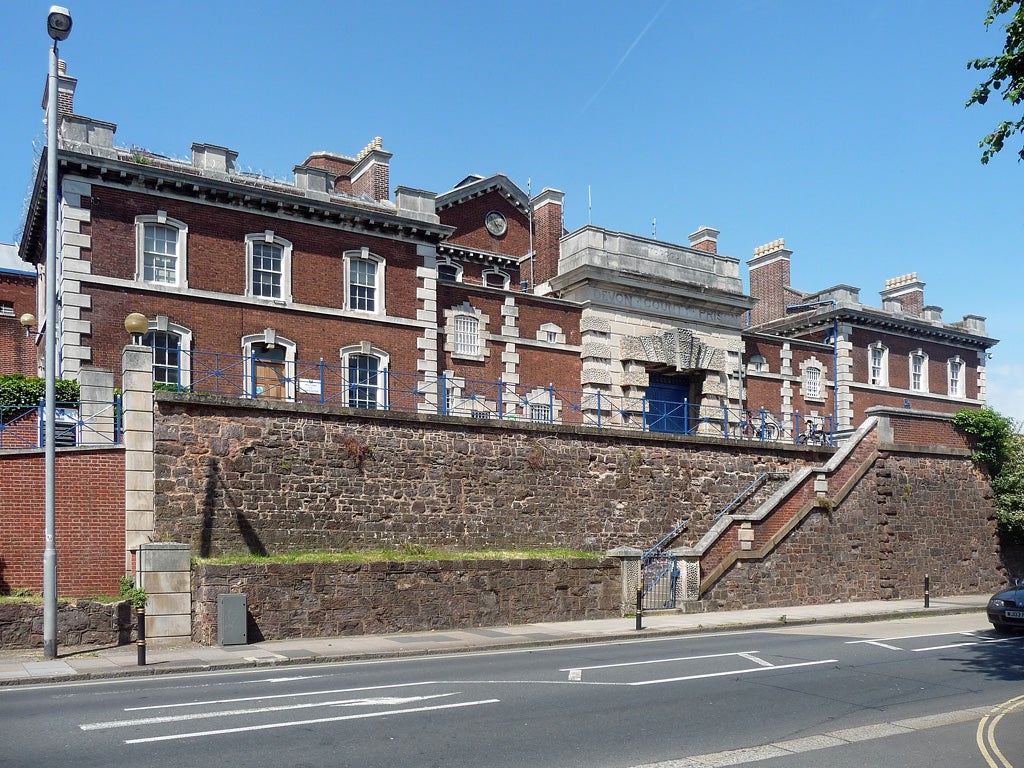
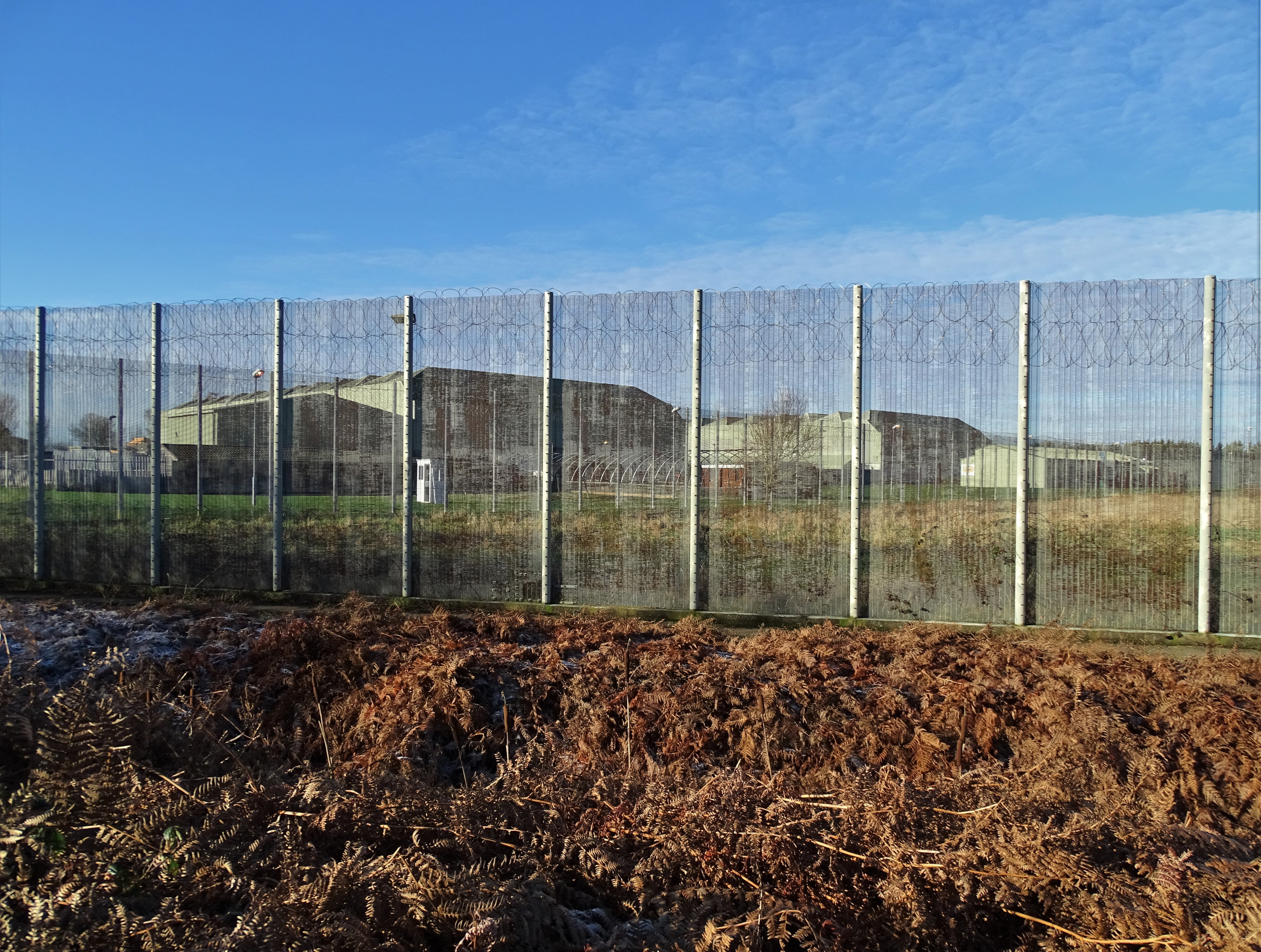
As well as the 16 sites with unsafe levels, a separate site within the boundaries of HMP Lindholme, near Doncaster, has also measured above action levels of radon gas, along with 16 probation sites across London, the South East, South West, Wales, the North West, East Midlands and the East of England.
The number of sites measuring high for radon was uncovered in meeting notes recorded by the Prison Officers Association (POA) in early 2024. The MoJ said this week that, of the 33 investigations sparked by the worrying levels of radon, a small number were still awaiting final sign-off or under review.
A prison service spokesperson said that they “take steps to actively mitigate the risk posed by radon in line with health and safety regulations”.
New documents disclosed under freedom of information (FOI) laws this week show that high levels of radon gas were measured at HMP Exeter in 2020. Radon levels on the D wing of the category B men’s jail were given a seasonally adjusted result of 2,750 bq/m³ in winter 2020 – over nine times the legal limit.
A report was then carried out in 2022 by specialists CERAP UK into the high levels detected two years earlier. The report, from August 2022, says that the company recommended that activities and occupancy of the affected areas should be suspended.
Further measurements from the end of 2024, into the beginning of 2025, show radon levels at more than 900 bq/m³ in some parts of the prison; a measure of 1,235 bq/m³ was detected in another area.
A further risk assessment for the prison, carried out in May 2025, recommends that prisoners be banned from areas where radon concentrations are higher than 300 bq/m³.
Around 20-25 current prisoners have contacted law firm Kesar & Co, which is leading the HMP Dartmoor legal action over their potentially harmful exposure to radon at HMP Exeter. A similar number have also approached the firm about exposure at Doncaster prison, HMP Lindholme.
Inaam Barkatoolah, solicitor at Kesar & Co, said: “The results for Exeter and Lindholme are very concerning. They show that there have been periods where radon levels have been very high in certain parts of the prison. Like the Dartmoor case, we’ve got people who are suffering from symptoms of radon poisoning – wheezing, fatigue, coughing up blood. They’ve been even more worried than some of the Dartmoor clients because some of them have already been in Dartmoor before.
“With Exeter and Lindholme, it has been pretty hard for people to get any information. They were just told that there is radon in the prison and it is being monitored.”
Results from Lindholme, released under FOI, show that testing from 2019-2020 found excessive radon levels in the E wing of the prison. High levels of radon were again measured in 2023 across A, B, C, D and E wings, but these levels had reduced by 2025, according to the data.
Mick Pimblett, deputy general secretary at the POA, said that, following concerns about how radon was controlled at HMP Dartmoor, “the POA have been working with HMPPS to ensure that radon levels are monitored by facilities management in all prisons in radon-affected areas.”
Mr Pimblett added: “Where a prison is exposed to excessive levels, the POA are content that appropriate risk assessments are carried out and controls are in place”. He said the union were “content that staff are informed of the mitigations and monitoring arrangements”.
A prison service spokesperson added: “We closely monitor the effectiveness of these mitigation measures”.
Do you have information about radon exposure in the prison estate? Contact holly.bancroft@independent.co.uk
Join our commenting forum
Join thought-provoking conversations, follow other Independent readers and see their replies
Comments
Bookmark popover
Removed from bookmarks