Mountain rescuer warns of ‘massive impact’ of social media on number of rescues
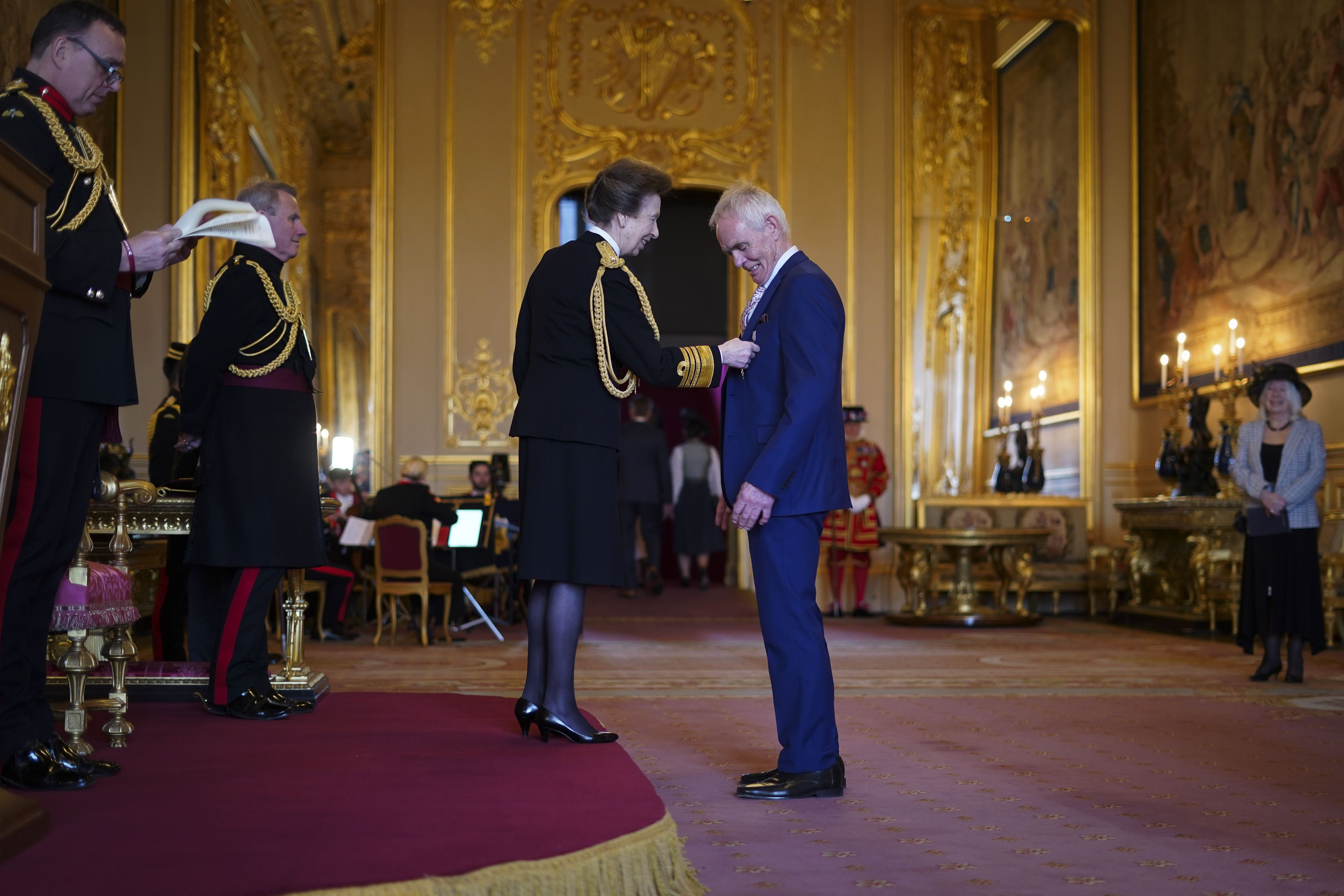
Richard Warren was made an OBE for his services to mountain rescue in Cumbria and the Lake District in an investiture ceremony at Windsor Castle.
A celebrated mountain rescuer has spoken about the “massive impact” of social media on the number of people who need rescuing.
Richard Warren was made an OBE for his services to mountain rescue in Cumbria and the Lake District in an investiture ceremony with the Princess Royal at Windsor Castle on Tuesday afternoon.
Mr Warren, who has over 40 years’ experience as a volunteer with the Wasdale Mountain Rescue Team, has said that in recent years he has seen the number of preventable rescues increase rapidly.
Asked about the influence of social media, he said: “It’s had a massive impact on mountain rescue, not just in my own team in Wasdale, but on all teams in north Wales, Scotland, but very much so in England.
“People actually, they go up there to enjoy the fells and the mountains, usually in good weather, and they’ll take a few selfies and such and then post it on social media and all their friends see it and say: ‘We must do that.’
“So what happens of course, is they will go up there and they’re not going to spend £3,000 on rucksacks, boots, waterproofs, the correct equipment.
“They won’t buy maps and compasses, everything will be on their smart technology, and a lot of them will get into trouble.”
The mountaineer said that half the rescues his team conduct are at Scafell Pike, the highest mountain in England, and of those, over half are now “lost or missing” which he referred to as “avoidable rescues”.
Mr Warren added that he used to just tell people to buy a map and a compass, but now that people rely on phones, he wants people to take power banks with them, and use a software called “Adventure Smart”.
“We want them to enjoy the mountains, be safe, be responsible, make a good day even better and be adventure smart,” he said.
Professor Ruth-Anne Lenga was also made an OBE this afternoon for services to Holocaust education.
The University College London associate professor told Anne that she was “desperately worried” about a rise in antisemitism online, and said it was “critical” for people to learn about the Holocaust.
Prof Lenga said: “We must know and learn about the fact that this was not perpetrated by one crazy dictator. Yes, that was a key factor, but the responsibility for the Holocaust is much broader than that.
“Ordinary people play their part. Britain’s role wasn’t completely perfect either, and our research has shown that many young people think that Britain went to war to save the Jews, or they think that Britain didn’t know about what was happening.
“I think it’s important for us to look at our own history without the rose-tinted glasses.”
Bookmark popover
Removed from bookmarks