If Nigel Farage becomes the next prime minister, it won’t be for long – here’s why
After a week of chaos, Reform has a new chair and a leader insisting the party is on track, but the signs are there that this is a party not ready to be in charge – whatever the polls say, writes government expert Georgios Samaras


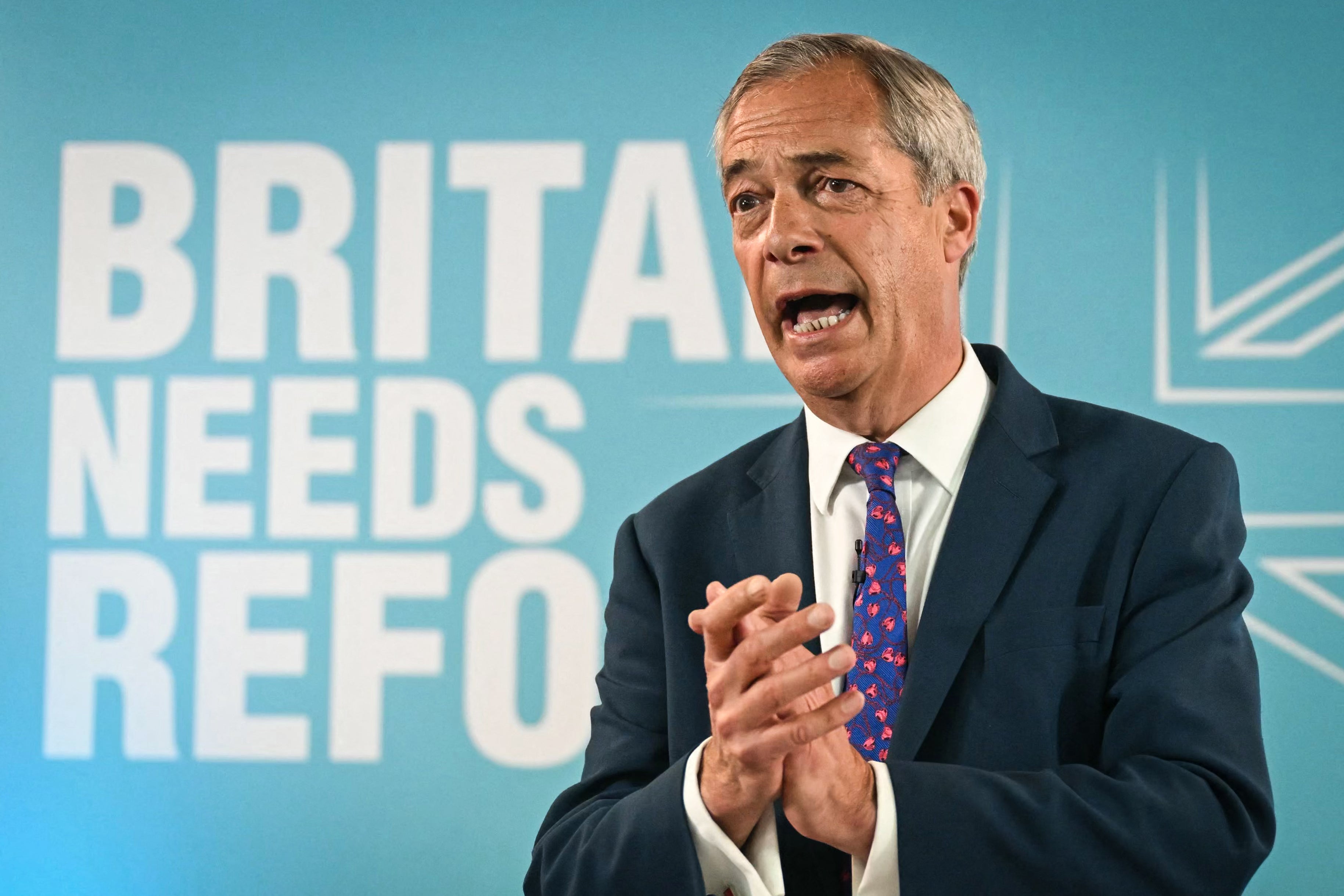
It was curious timing. Just as Reform UK produced record local election gains and a surge in the opinion polls – with Nigel Farage suddenly being taken seriously as a possible next prime minister – the party itself was spiralling into utter chaos.
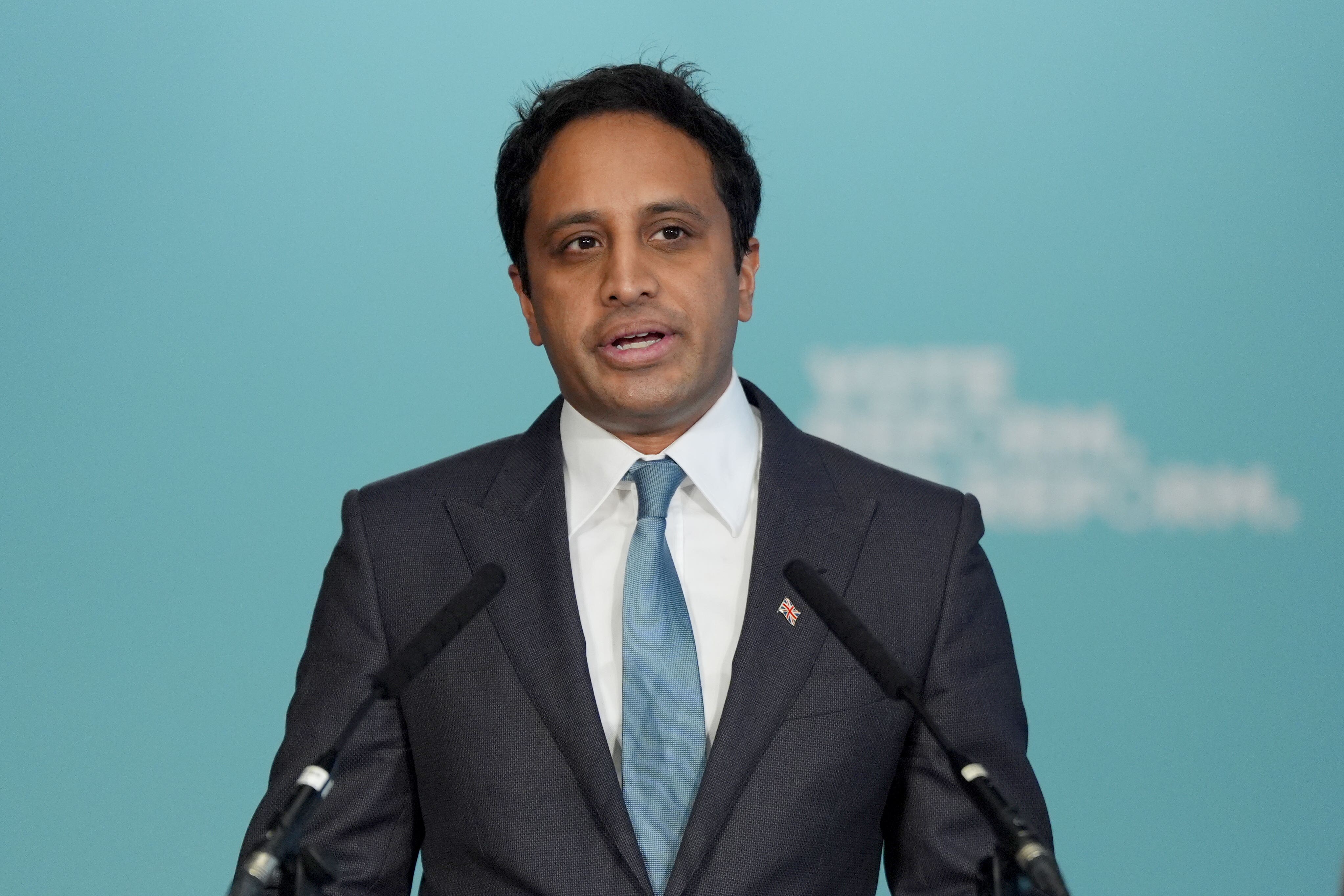
Zia Yusuf, a Muslim businessman, sensationally quit as party chair after describing new Reform Runcorn MP Sarah Pochin as “dumb” when she challenged Keir Starmer over the legality of women wearing the burqa in the UK during Prime Minister’s Questions.
The next day, the party stalwart posted on X/Twitter that he no longer believed that “working to get a Reform government elected” was “a good use of my time”. Later, Farage said Mr Yusuf had “snapped” after receiving a “tirade of personal racist abuse” on social media, suggesting Yusuf was “burnt out,” and blaming the “very hard extreme right” for the abuse.
Yet, within 48 hours, Yusuf was making a dramatic U-turn: rejoining the party and reclaiming leadership of the new, Donald Trump-inspired Doge team – a task force that claims to champion taxpayers by cutting waste. Yusuf was not the first member of Reform to be caught in a spiral. In March, after legal allegations emerged, Farage suspended the whip from MP Rupert Lowe, and three branch officers in Great Yarmouth promptly resigned in protest.
Today, David Bull – a doctor turned TV presenter – was unveiled as the new chair of the party to replace Yusuf, and so the Reform show trundles on.


However, on closer inspection, Reform’s internal disarray suggests it is suffering from some of the same symptoms of a wider disorder that has afflicted some of the new far-right parties across Europe. Firstly, the veneer of unity collapses at the slightest provocation, revealing leadership struggles and competing factions that undermine any coherent strategy. Secondly, there is an almost slavish fixation on Trump-style showmanship, assuming the same crude “pound-shop Maga” theatrics will be enough to hide the cracks and win over voters in Europe.
But when they get to power, those cracks are there for all to see.
Strategic misjudgements and internal disputes have become particularly evident in the aftermath of May’s local elections. While Reform won huge victories – gaining control of nine councils and minority control in a further three – reports of shambolic governance have already emerged.
Across the 12 Reform-controlled councils, 33 meetings have been cancelled or postponed within the first nine weeks since the election. Opposition councillors are reporting that organisation and productivity have been a “shambles”, with some claiming the Reform representatives “do not know what they’re doing”.
Organisational chaos is verging on farce, with newly elected councillors displaying a startling ignorance of basic procedures – reportedly abruptly cancelling meetings and making some curious choices.
One glaring example comes from the deputy leader of Durham County Council, Darren Grimes. Grimes has insisted that scrapping so-called “wasteful” equality, diversity and inclusion (EDI) programmes should now be a central aim – adopting similar Trump-style rhetoric. Yet the Office for Budget Responsibility (OBR) forecasts local authority spending at £72.3bn in 2024–25, of which the £22.8m devoted to EDI roles accounts for just 0.03 per cent.
Across Europe, other newly formed parties elected on emotive, racialised slogans rather than credible and costed economic policies have also unravelled under scrutiny.
In the Netherlands, the conspiracy-minded PVV leader Geert Wilders, who secured 23.5 per cent of the vote for his far-right Freedom Party in the 2023 general election and cobbled together a coalition, has abruptly withdrawn his party. From the start, it was a coalition characterised by infighting and power struggles, and after months in office, the government had barely made any concrete plans. Support for the PVV has since plunged from almost 50 per cent a year ago to trailing behind the left-leaning GroenLinks–PvdA alliance at 30 per cent.
Similarly, Greece’s far-right landscape shows how chaotic these new disruptor parties become once they seize power. Over the past six years, four new parties – Greek Solution, Spartans, Victory, and Voice of Reason – have all emerged, yet today only Greek Solution remains relevant.
In 2024, Spartans collapsed after the Supreme Court confirmed it was led by convicted neo-Nazi Ilias Kasidiaris. Ultra-religious Victory fizzled out thanks to its all-consuming focus on US-style culture-war skirmishes that hold little sway in Greece. Voice of Reason plummeted from 9 to 7 per cent in the polls and then to under 2 per cent.
From the Netherlands to Greece and back to Britain, the far right’s playbook remains the same: charismatic leadership, superficial unity, single-issue zeal, and fragility once they gain real power due to a lack of viable policies and meaningful experience of government.
Reform under Farage epitomises this dynamic. His decades-long presence suggests gravitas, but he has always specialised in disruption rather than delivery. With Ukip, he rattled the Tories into a 2016 Brexit referendum; once that box was ticked and the Brexit Party left the European parliament in 2020, his influence vanished almost overnight, revealing the hollow core of his political project.
One grave misstep could condemn Reform to the same ignominious fate that felled Ukip and Farage’s Brexit Party
However, circumstances have shifted dramatically. Last week’s polls put Reform an astonishing 8-10 points ahead of Labour – a margin that would have been unthinkable in 2016 or 2020. Farage’s dogged persistence has clearly paid off. This surge owes as much to a changing media environment as to voter disillusionment. The BBC – once wary of fringe parties – now treats Reform as a serious contender, sanitising its narrative and obscuring the turmoil at its core. That hesitancy echoes last year’s public apology when the corporation retracted its description of Reform as “far right”.
Most importantly, Labour’s 2024 victory has ushered in even more voter disillusionment. Keir Starmer’s failure to seize the moment and his government’s missteps in judging the public mood have only deepened a sense of drift. Labour’s inability to tell a positive story is creating the perfect opening for an insurgent force with little more than outrage to offer.
Meanwhile, the Tories, collapsing under Kemi Badenoch’s leadership, have begun desperately echoing Reform’s rhetoric – so much so that whispers of a future merger are already circulating.

Reform’s recent organisational chaos has so far failed to deter voters weary of austerity, government U-turns, and a polarised environment. The party may lack a coherent manifesto or disciplined apparatus, but in an atmosphere of frustration, mere opposition suffices. Its strength lies in the grievances it amplifies – and that dynamic is poised to reshape Britain’s political landscape long after the current spectacle has faded.
But the most pressing question is whether Farage can ever translate Reform’s rise into real governance at a local or national level. On current evidence, even if he did become prime minister, the spiral of chaos suggests it might not last long. As we have seen in Europe, when parties of opposition become the establishment, they are prone to spectacular displays of self-destruction. If they are handed the reins and fail to deliver anything but internal rifts and inexperienced personnel, the whole edifice quickly comes tumbling down. One grave misstep could condemn Reform to the same ignominious fate that felled Ukip and Farage’s Brexit Party.
Time will tell whether the “Nigel Party”, as Reform is often dubbed, is ever handed the chance for the rest of us to find out.
Dr Georgios Samaras is an assistant professor of public policy at the School for Government and Policy Institute, King’s College London. His upcoming book ‘Who Rules the Land of Denial?’ will be published by Palgrave Macmillan and Springer Nature in September
Join our commenting forum
Join thought-provoking conversations, follow other Independent readers and see their replies
Comments
Bookmark popover
Removed from bookmarks