How interest rates announcement will affect mortgages and savings
There is light at the end of the tunnel for mortgage holders but savers face lower rates
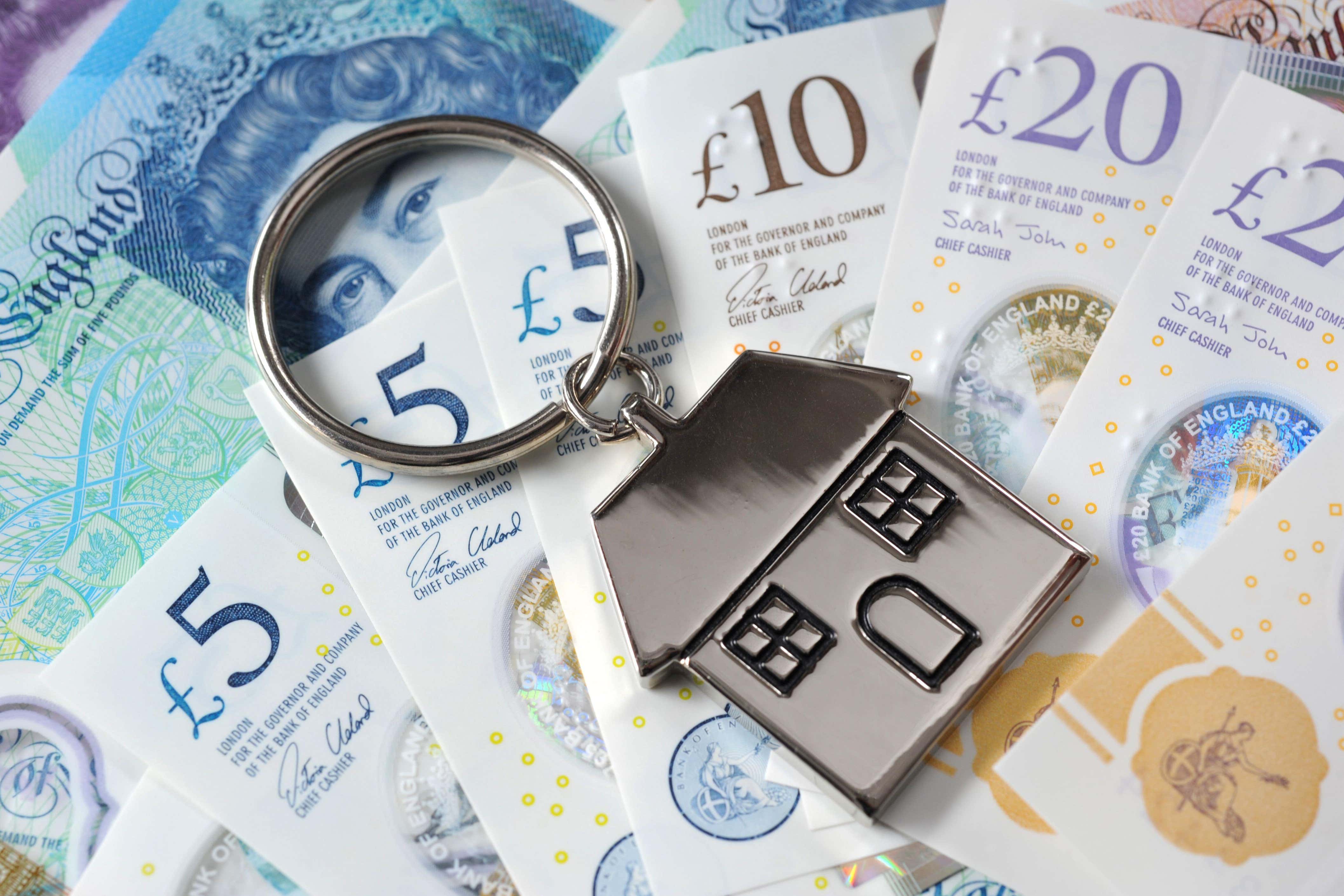
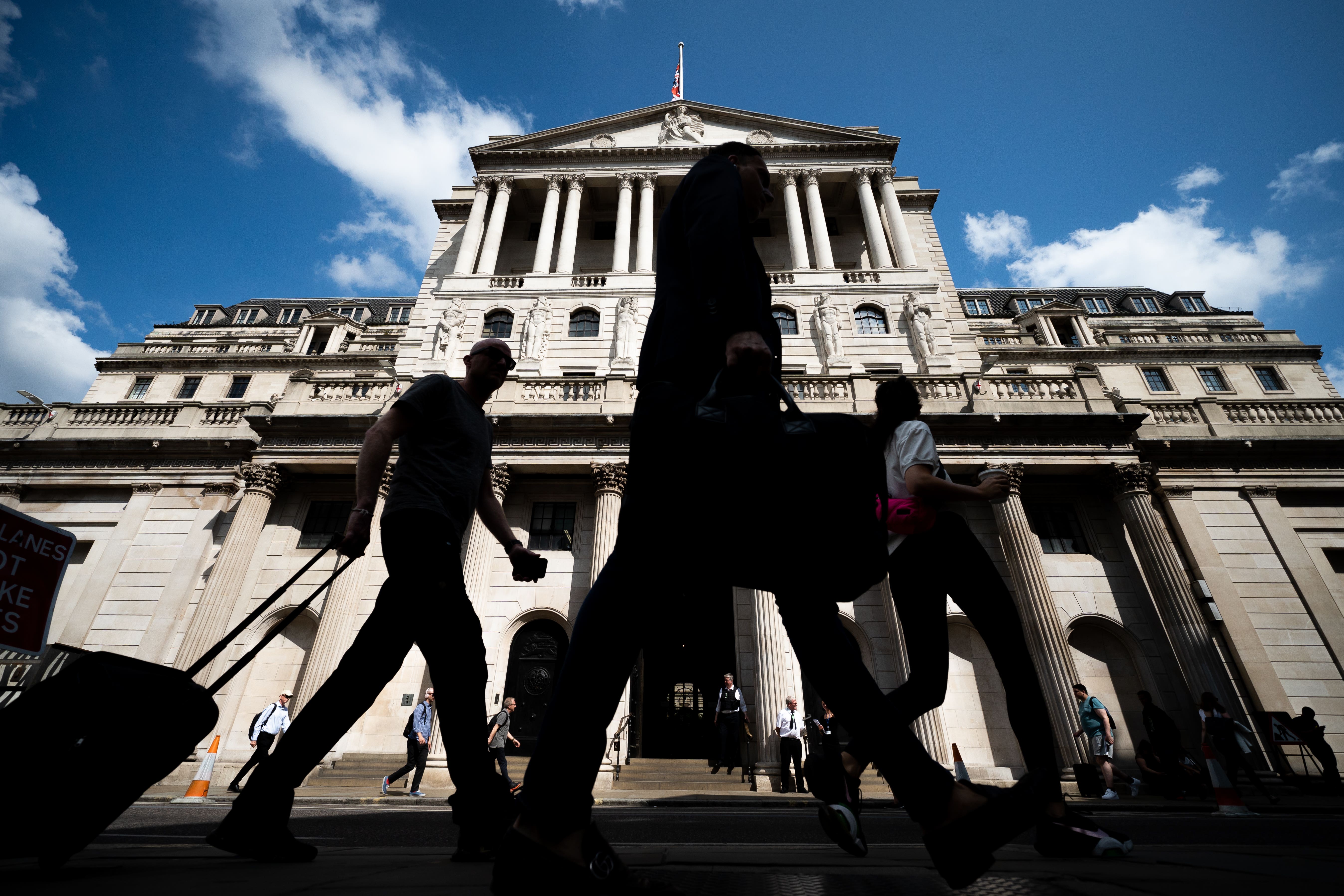
The Bank of England today frozen interest rates for the first time in almost two years, after a lengthy run of back-to-back hikes that have hit borrowers in the pocket.
In a surprise move, the Bank held rates at 5.25 per cent after 14 increases in a row, although officials warned this might not be the end of rises. Economists praised the decision and said rate rises might already be at their peak.
Below we take a look at how Thursday’s announcement will impact your mortgage and savings.
Mortgages
Mortgage holders have been hammered by borrowing costs in recent, with leading think-tank the Resolution Foundation saying that consecutive interest rate rises since November 2021 have already cost homeowners £4.2bn in payments.
The decision on rates today could potentially have far-reaching consequences if this is the end of the cycle of interest rate rises, as borrowing could now stabilise, property experts say.
If you are on fixed-rate, the most popular mortgage, this means you could find cheaper products on the market when it comes time to renew, although the prices will still be considerably higher than a few years ago.


According to trade association UK Finance, around 800,000 fixed-rate mortgage deals are due to end in the second half of this year and 1.6 million are due to end next year, so any decrease in prices would be welcome.
Average two-year fixed-rate mortgages are above 6 per cent, according to data from financial information website Moneyfacts.
Major lenders have already started to slash rates. From Friday, Nationwide is reducing rates across the majority of its fixed-rate mortgage products by up to 0.31 percentage points. And Natwest said it has cut its two-year fixed mortgage from 6.12 per cent to 5.93 per cent.
Lucian Cook, head of residential research at estate agent Savills, said: “The Bank of England’s decision to maintain the current base rate is an important signal to the mortgage markets and should take some of the edge off the affordability pressures buyers are currently facing.
“However, a material improvement in mortgage affordability requires the prospect of a cut in interest rates coming onto the horizon. That still looks some way off, suggesting buyers’ budgets are going to remain constrained and that there is a little way to go before house prices bottom out.”
Marc von Grundherr, director of Benham and Reeves, added that today’s interest rates freeze was a “small victory” for homeowners, as borrowing costs are still considerably higher than a few years ago.
“Despite rates remaining unchanged there will still be a real worry for those coming to the end of a fixed rate term, having previously locked in at a relatively affordable rate when they first purchased,” he said.
“When their mortgage term does expire, they are likely to find that the cost of their monthly repayments has risen considerably and this is really the last thing anyone wants to contend with, not only with the current cost of living, but with Christmas just around the corner.”
However, Samuel Bull, senior mortgage adviser at JB Mortgages was more optimistic, saying the country has “passed the very top of the interest rate cycle”.
“With the Bank of England voting to leave UK interest rates on hold at 5.25 per cent, this brings to an end the longest successive period of rising rates in decades.
“Mortgage borrowers have been hammered in recent months, on top of the cost of living crisis, so now, as we look to have passed the very top of the interest rate cycle, I am hopeful that in 2024 mortgage lenders will start competing for market share with rates starting with a 4, rather than a 5.
“This will no doubt encourage more buyers back into the market as they seek to take advantage of the ‘buyers market’ whilst it lasts.”
Savings
The steady hike of interest rates has meant banks have gradually introduced better savings accounts to consumers, but this could soon change after the Bank’s decision.
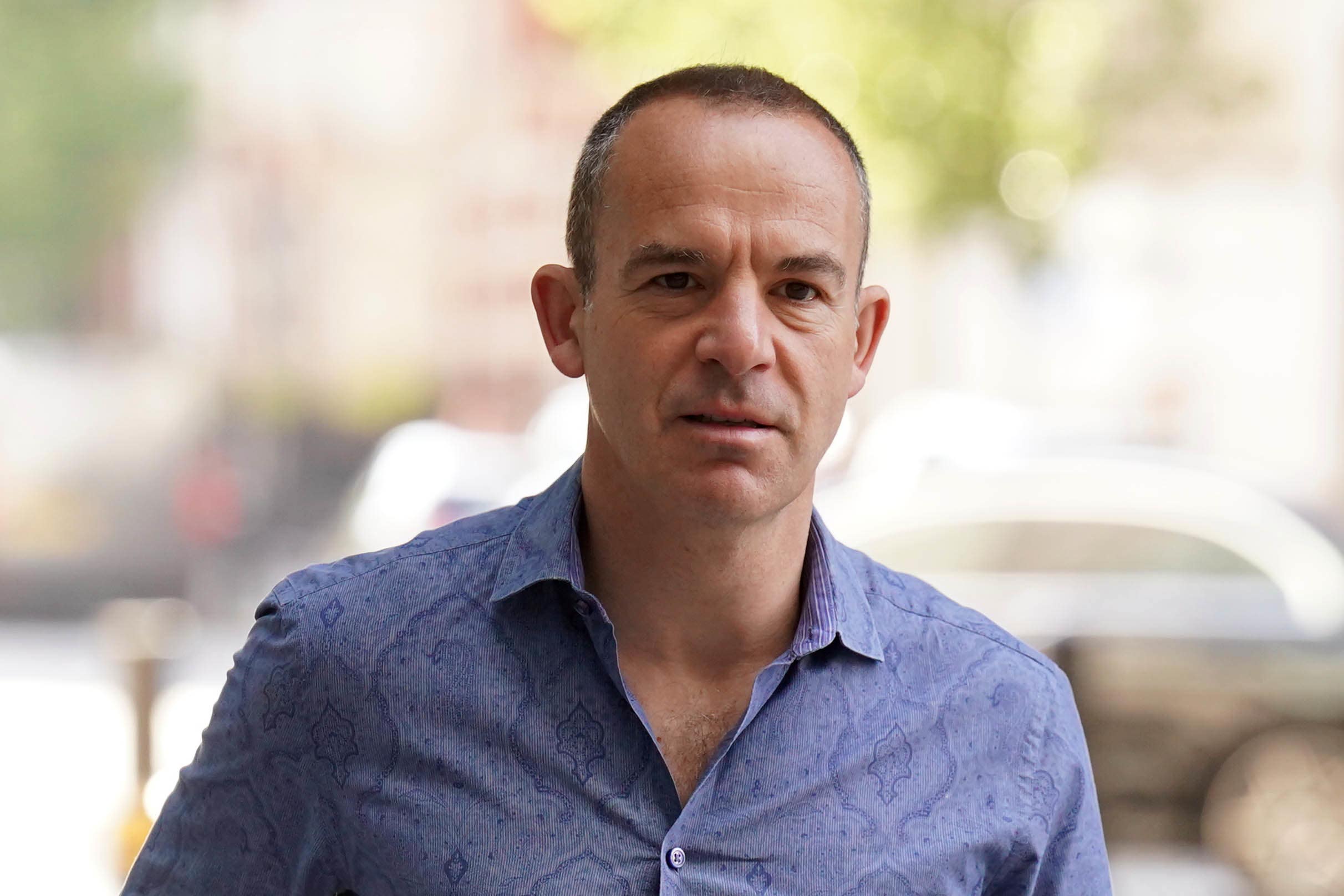
In a post on Twitter, Martin Lewis, founder of MoneySavingExpert, said: “The Bank of England minutes ago voted to maintain interest rates at 5.25 per cent, not to increase them as many predicted.
“It’s therefore possible fixed rate savings providers may shave down their rates at speed (as they’re based on longer-term predictions of interest rates).
“If so, and you were looking to lock in a fix, you’ll want to open a top fix this minute as the rates could drop, even by later today, certainly if it does happen by later this week.
“Tactic to play it both ways: Open the fix today, but don’t fund it (you’ve usually seven to 14 days to do that). Just hold it so you’ve got it available and you can wait and see what happens to rates. If they go the other way, just don’t fund the facility you’ve opened now – that’s not a problem.”
Banks have attracted criticism during the successive rates rises for not passing on savings to customers.
Harriett Baldwin, chair of the Treasury Committee, criticised the “weak excuses” given by major lenders for not sufficiently passing on higher interest rates to savers.
Despite this, Britain’s biggest building society Nationwide this week launched a £200 switching offer and a linked savings account paying 8 per cent interest.
It also introduced a new Flex Regular Saver account, for current account customers, paying 8 per cent AER (annual equivalent rate) for 12 months.
And on Tuesday, NatWest reported that the number of fixed-term accounts opened in the first half of 2023 was around 17 times the total it recorded in the same period in 2019.
More than 82,000 fixed-term savings accounts were opened in the first half of this year, the bank said. This compares with 4,700 in the first half of 2019, according to NatWest’s data.
Join our commenting forum
Join thought-provoking conversations, follow other Independent readers and see their replies
Comments
Bookmark popover
Removed from bookmarks