Why a museum is showcasing thousands of artefacts of unknown origins
Many were acquired from Africa through trade, confiscation, and outright looting
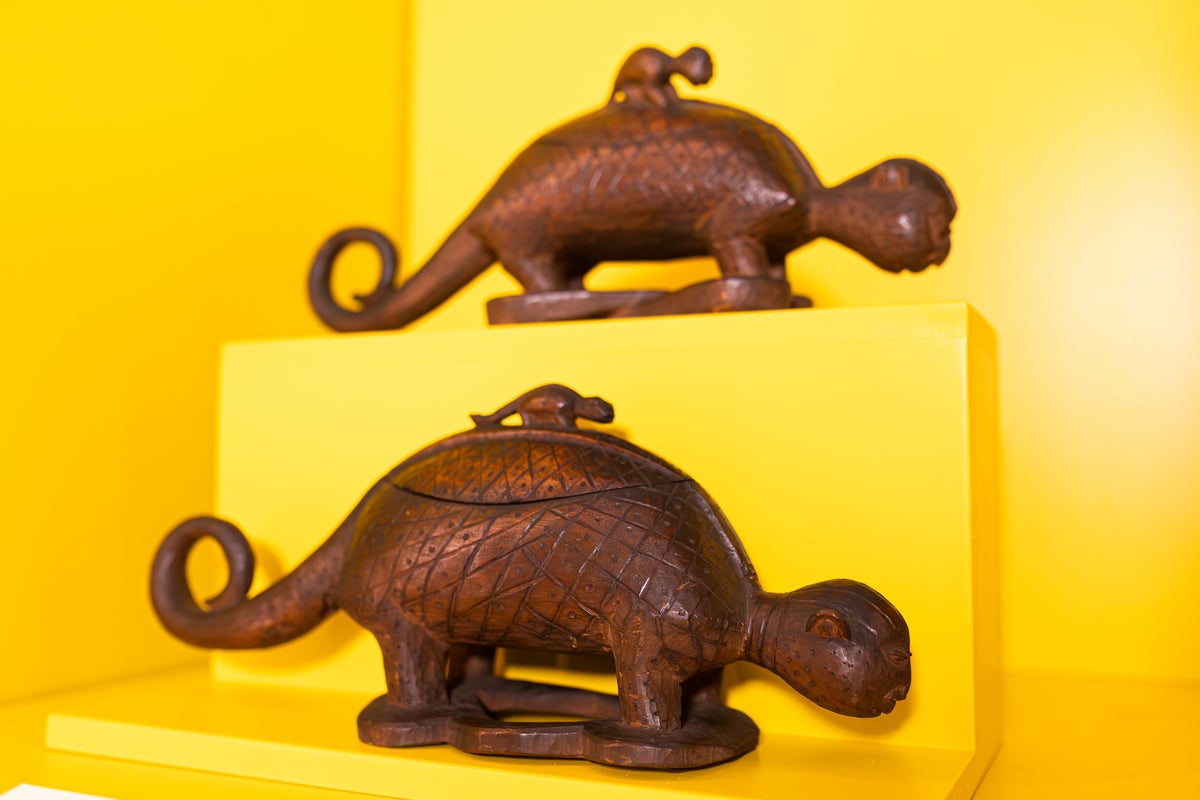
Manchester Museum has unveiled a new gallery showcasing thousands of African artefacts, many of which have uncertain origins, in a bid to ignite discussions surrounding colonial-era looting and restitution.
The northwest England institution holds over 40,000 African objects, with the majority kept in storage after being acquired during the British Empire through trade, anthropological expeditions, confiscation, and outright looting.
“Some of them were given, some of them were stolen, some were taken forcefully, out of conquest,” co-creator Sylvia Mgbeahurike, from the Igbo Community Greater Manchester, said.
“It is important that we start bringing them together again.”
The gallery, called Africa Hub, explores whether artefacts should be returned to their communities of origin, or whether they can be shared and celebrated in new ways in Manchester.
The museum is asking the public to get in touch if they recognise any of the artefacts.
Worldwide calls are growing for looted artefacts and ancestral remains held in Western institutions to be returned, as part of a long-standing movement seeking reparations for colonialism and slavery.
While most of the museum's galleries and exhibitions reflect years of research, the new display intentionally exposes gaps in the institution's knowledge.
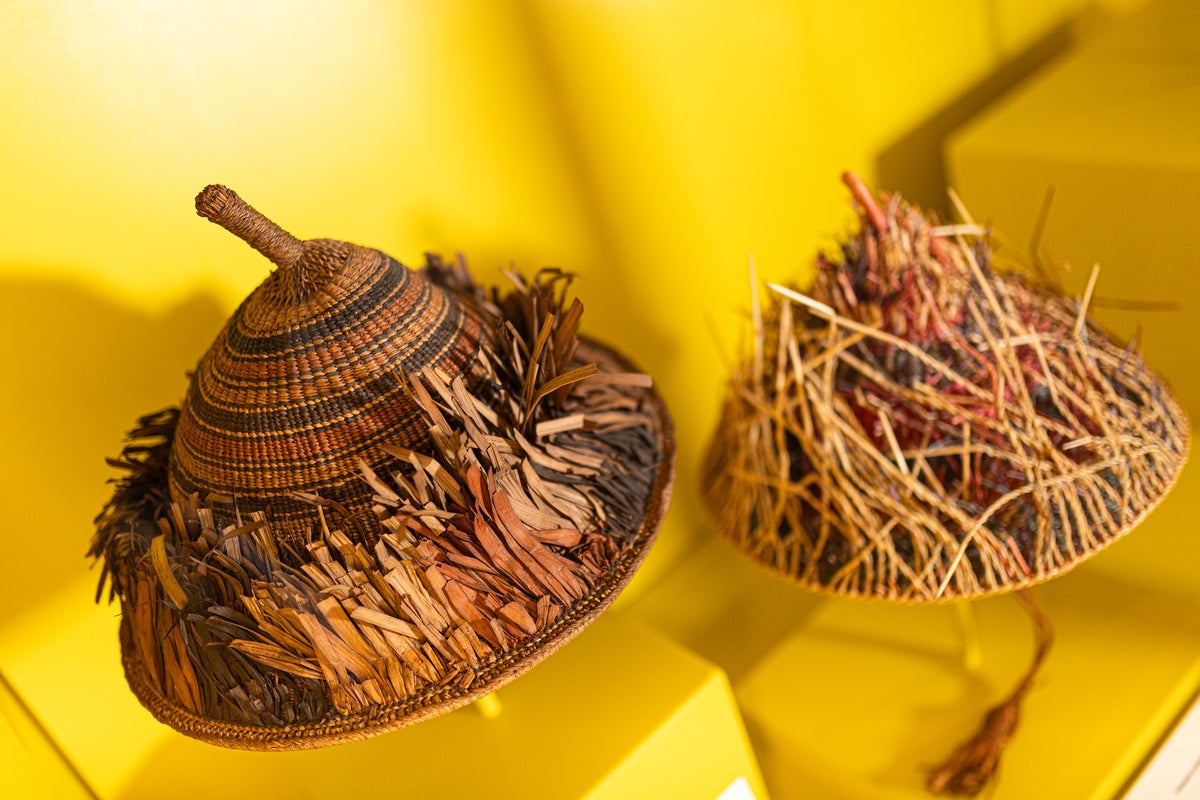
The artefacts, such as musical instruments, stools and carved figures, entered the museum's collection through donations, purchases, or institutional transfers.
They often arrived with little information beyond the donor or institution from which they were acquired.
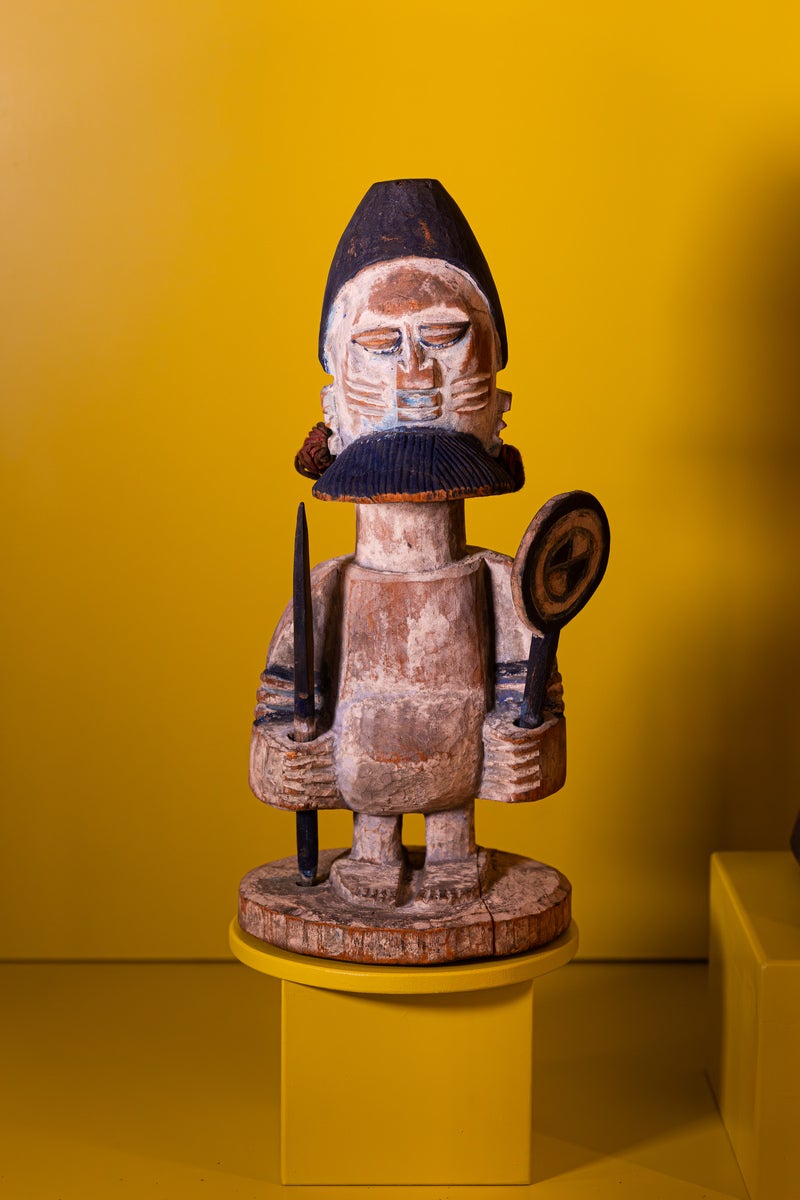
“Museum records rarely tell us who made these items, when they were created, or what they were originally called,” the museum said.
“They do not tell us who owned them, how they were used or why they mattered to people.”
Some restitution efforts have been made in Europe and elsewhere but many artefacts and human remains from Africa and other regions are still held across many institutions.
In March, advocates called on the government to fix what they described as a “legislative vacuum” allowing museums and other institutions to hold and display ancestral remains.
Join our commenting forum
Join thought-provoking conversations, follow other Independent readers and see their replies
Comments
Bookmark popover
Removed from bookmarks