Supermarket prices could rise again after inflation drop, experts warn
Food inflation saw a massive drop in January
The recent drop in inflation could be short-lived, experts have warned, as new pressures on retailers coming into effect this year threaten to push prices back up.
UK inflation fell to 3 per cent in January, the lowest since March last year, new data from the Office for National Statistics (ONS) revealed on Wednesday.
It marks a major drop from the 3.4 per cent seen in December, and a return to the downward trend seen at the end of 2025. Some economists predict the rate could now reach the Bank of England’s 2 per cent target by April, which was last seen briefly in mid-2024.
Taking an especially sharp downturn was food inflation, falling from 4.5 per cent to 3.6, in welcome news for households struggling with the cost of living. Staples such as bread, cereals and rice all fell in price on the month, alongside other staples like clothing and furniture.
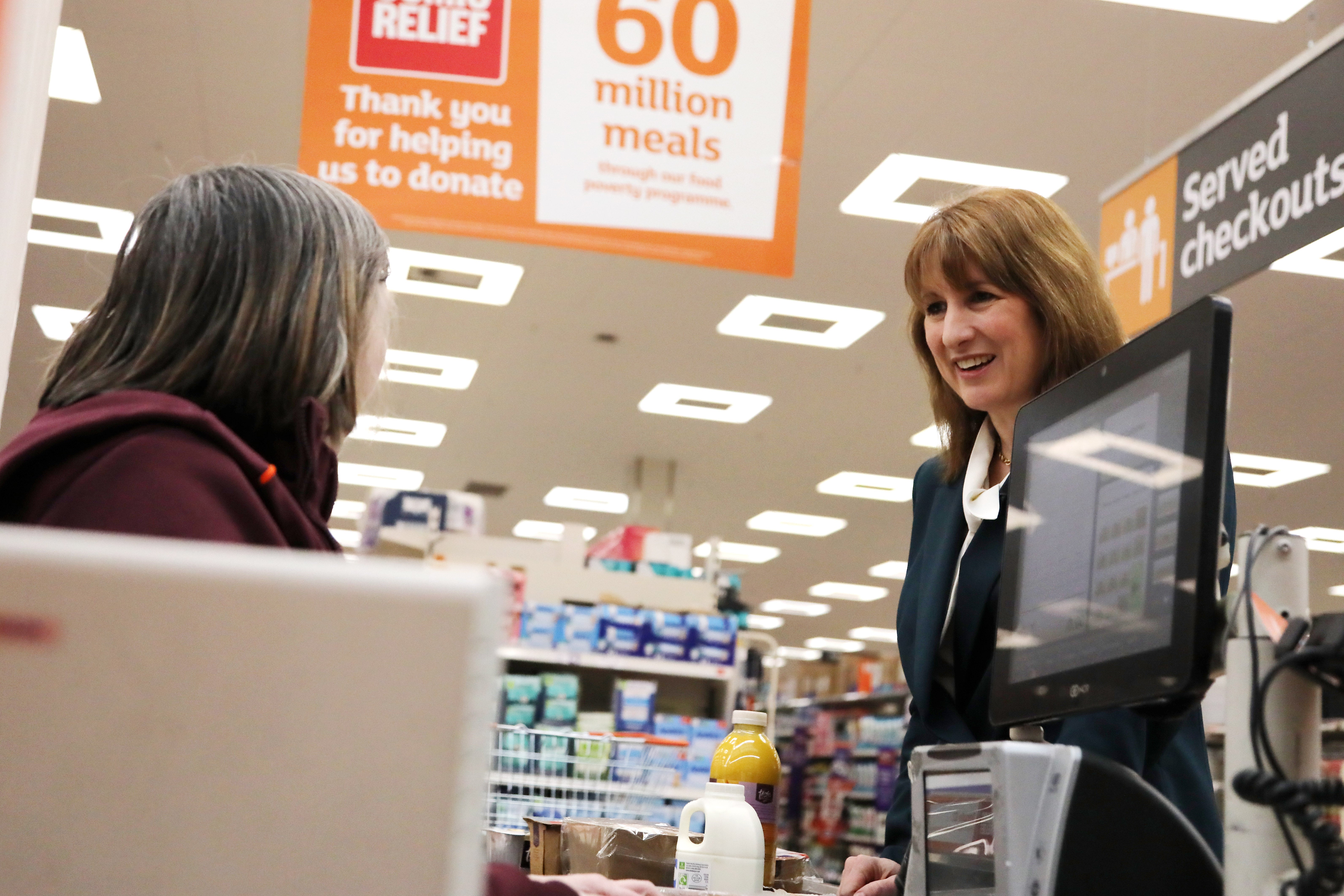
Harvir Dhillon, economist at the British Retail Consortium, said the change “reflects intense competition between retailers, who continue to try and absorb higher costs wherever possible to keep prices down for customers”.
“However, margins remain razor thin and the cumulative burden of taxation and regulation on consumer-facing industries is rising”, he added.
“Retailers continue to face high labour costs, and the additional complexity associated with the Employment Rights Act risks adding to existing pressures. Without careful implementation, retailers’ ability to shield customers from higher prices, as well as to invest and create jobs, will be limited.”
The government is introducing several changes to benefit workers from April, which some business leaders have warned will introduce a higher cost burden. This includes the plan to increase minimum wage for 8.5 per cent for 18 to 20-year-olds with the aim of equalising pay amongst workers of all ages.
Businesses also reacted negatively to chancellor Rachel Reeves’ decision to increase employer’s national insurance contributions (NIC) from April of last year.
Responding to the latest inflation figures, Ms Reeves said: “Cutting the cost of living is my number one priority.
“Thanks to the choices we made at the budget we are bringing inflation down, with £150 off energy bills, a freeze in rail fares for the first time in 30 years and prescription fees frozen again.
“Our economic plan is the right one, to cut the cost of living, cut the national debt and create the conditions for growth and investment in every part of the country.”
Join our commenting forum
Join thought-provoking conversations, follow other Independent readers and see their replies
Comments
Bookmark popover
Removed from bookmarks