Cousins win battle for fortune after heir hunters investigate grandad’s mysterious ‘romantic life’
The High Court case revolved around the convoluted love life of McDonald Noel’s father, Stanley Dorant, with four families all claiming to have descended from him
Two cousins have won a court fight for the unclaimed £2m-plus fortune of a bachelor multimillionaire after being tracked down by heir hunters investigating the mysterious "romantic life" of their granddad.
McDonald Noel was born in Trinidad, and after emigrating to London in 1960, died a rich man in 2018 at the age of 84, leaving behind a gross estate of £2.7m, including his £1.5m house in Kensington, London.
But unmarried McDonald had no children and left no will, meaning his millions were unclaimed and set to go to government until heir hunters got involved.
They tracked down potential relatives in the UK and the Caribbean, but a row subsequently broke out over which of them was a real blood relative of the dead multimillionaire.
The High Court case revolved around the convoluted love life of McDonald's father, Stanley Dorant, with four families all claiming to have descended from him.
Now judge Master Katherine McQuail, having been asked to carry out a rare legal "kin enquiry" and rule on who should inherit, has handed victory to cousins Shaka and Desiree Dorant after ruling that their fathers were also Stanley's sons and so half brothers to the late McDonald.
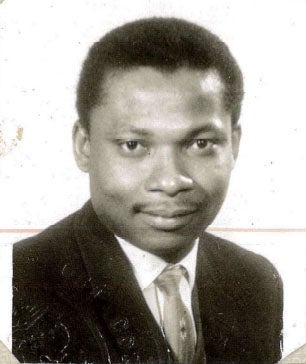
The court heard during the trial of the case last year that McDonald Noel - a shopkeeper and property tycoon - died in London in April 2018, intestate and without a spouse or children.
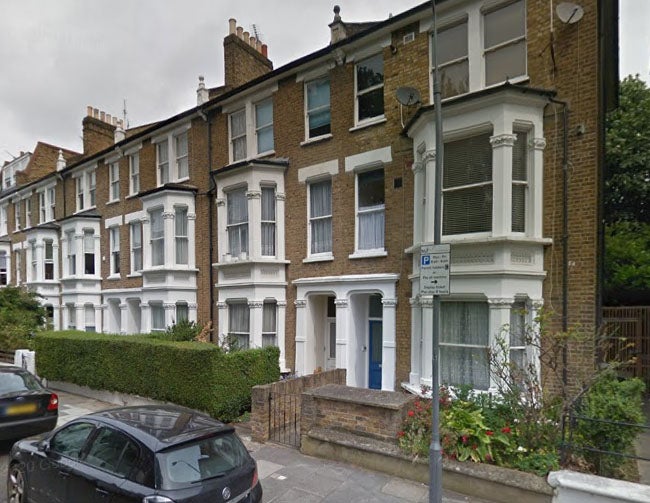
He left behind a fortune worth over £2m, including his £1.5m house in Batoum Gardens, Kensington.
The potential size of his estate attracted the interest of heir hunters, who delved into his family tree in the UK and the Caribbean, looking for his nearest living relatives, but found a tangled genealogical web.
McDonald had been born in 1934 in Trinidad to dad Stanley Dorant and mum Neutrice Dorant, with Neutrice already having had one other child, Stella, who was born the previous year.
Stanley, originally from Barbados, then went on to father another son, Francis, with Barbadian Clementina Forde, whom he married in 1939 after she joined him in Trinidad following the death of Neutrice in 1938.
Clementina already had two sons, Clyde and St Clair Dorant, when she moved and married Stanley.
In court, St Clair's children, represented by his daughter Desiree Dorant, and Clyde's grandchildren, represented by his granddaughter Tyler Dorant, claimed that they too descended from Stanley, who they said had fathered St Clair and Clyde during visits to Barbados.
Francis' son Shaka also laid claim to a share of the millions, but Stella's son Gerard Burton said he should potentially get the lot, insisting his mum Stella was also Stanley's child, making her McDonald's full sister rather than half-sister.
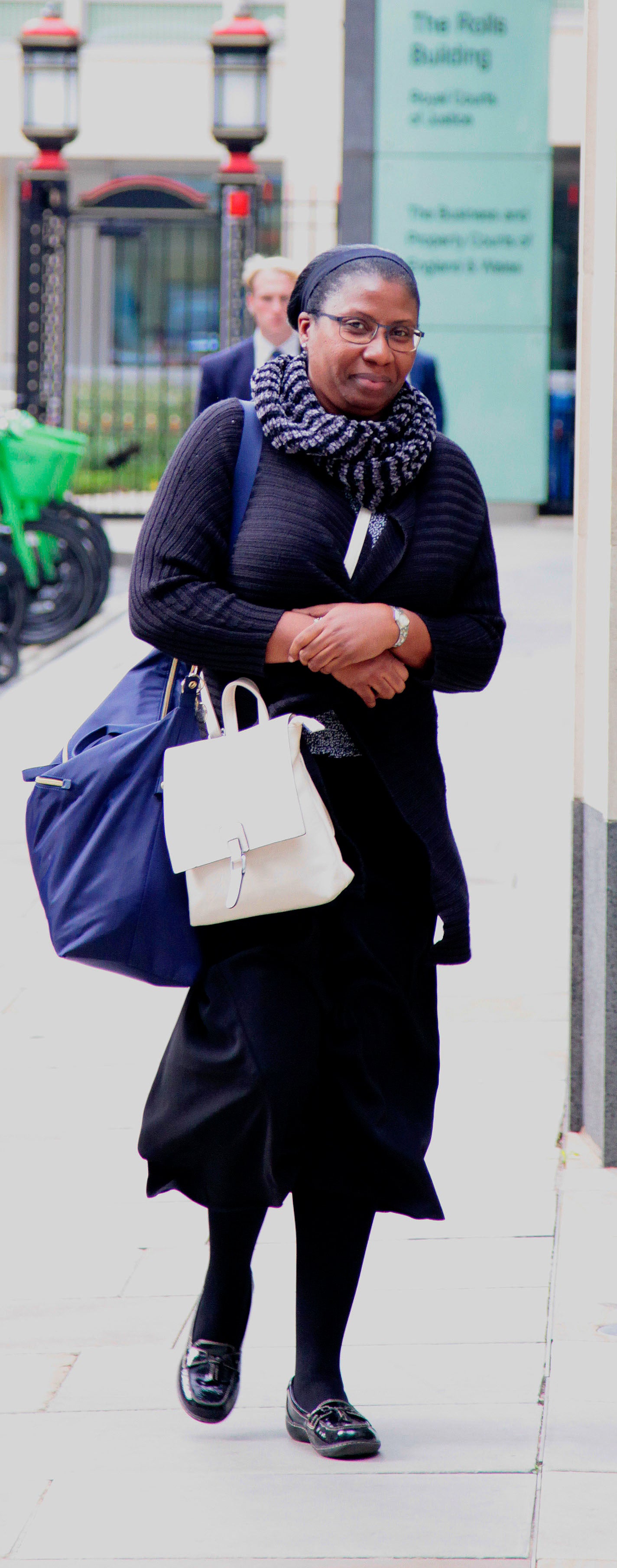
Daniel Burton, for Desiree and her siblings, told the judge: "It is the romantic life of McDonald's father Stanley which is central to the genealogical questions which arise in this case.
"It was a firm of heir hunters, Hoopers, who started to identify possible beneficiaries of McDonald's estate.
"Stanley was born in Barbados in 1906 and died in Trinidad in 1968. The documentary records show that he travelled between Trinidad and Barbados and fathered children on each island."
He told the judge that documentary evidence suggested Stanley and Clementina were from the same area and knew each other before he left Barbados for Trinidad.
"The questions before this court in this trial are how many children Stanley fathered, with whom, and who they were."
Aidan Briggs, for Francis' son Shaka, told the judge that even if Stanley had acted as a father to all of the children, it shouldn't be assumed they were his.
He said Stanley had lived in a society in which relationships outside of marriage were common and there was a trend for "mothers attributing paternity to men particularly for financial reasons - what is referred to in the British Caribbean as 'giving a man a jacket'."
"It's important not to apply middle-class English norms to a Caribbean setting," he said.
Giving her ruling, Master McQuail said: "I am being asked to determine the paternity of children born in the 1930s. Absent conclusive DNA results, there can be no certainty and so I must do my best on the available evidence.
"Each of Gerard, Tyler and Desiree have the burden of proving that their respective parent or grandparent was a child of Stanley. If I am not satisfied with the evidence, then the relationship is not proven.
"That it cannot be established who else might have been a particular child’s father does not mean I should presume it was Stanley.
"So far as concerns Francis, Shaka has the benefit of a presumption that Francis is the child of Stanley as he was born during the marriage of Stanley and Clementina and both parents are named on Francis’s birth certificate.
"I conclude that Francis was the child of Stanley and Clementina.
"There are no legal presumptions so far as concern St Clair. There is no evidence of acknowledgment by Stanley of St Clair as his child," the judge said, but went on to declare that he was probably Stanley's child due to evidence he had visited St Clair's mum Clementina in Barbados nine months before his birth.
"The relevant passenger list shows that Stanley left Port of Spain, Trinidad, on 23 December 1935 for Barbados, the likelihood is he arrived the next day in Barbados.
"St Clair was born on 30 September 1936, 282 days or 40 weeks and three days later in Barbados.
"I have concluded that Stanley and Clementina had a relationship which pre-dated Clementina’s 1939 arrival in Trinidad. That, combined with the co-location of Stanley and Clementina in Barbados at around Christmas/New Year 1935/1936 and the date of St Clair’s birth, leads me to the conclusion that it is more probable than not that Stanley was St Clair’s father," she said.
But she went on to rule against the claims by the descendants of Clyde and Stella.
The judge said: "The position with Clyde is much less clear than with St Clair. There is no evidence that Stanley was in Barbados at the time when Clyde must have been conceived.
"In the absence of evidence of co-location of Stanley and Clementina at the relevant time, to conclude that Stanley was Clyde’s father would require an inference from the known facts that Clementina would not have conceived a child with anyone other than Stanley in around early January 1933.
"There is no material from which such an inference might reliably be made.
"I am unable to conclude on the balance of probabilities that Stanley was Clyde’s father."
In relation to Stella, she said that whilst there was evidence of a visit by Stanley before her birth, the dates did not line up like in St Clair's case.
"There is no documentary evidence of Stanley being in Trinidad earlier than 4 July 1932 and there is no record of Neutrice ever travelling to Barbados. Stella was born to Neutrice on 10 March 1933 in Trinidad.
"Assuming Stanley is the 'S Durant' in the relevant passenger manifest, his arrival in Trinidad was only 35 weeks and four days before the date of Stella’s birth.
"Even if Stella were conceived immediately after Stanley’s arrival in Trinidad, her birth would have been premature which, in the absence of any other evidence, is less likely than not.
"I am not satisfied on the balance of probabilities that Stella was Stanley’s child.
"I conclude that Stanley’s biological children were McDonald, St Clair and Francis only. Accordingly I will direct that distribution of the estate should be amongst the issue of McDonald’s half-siblings."
The court heard Shaka is the only grandson of Stanley through Francis, but that Desiree has four siblings.
Join our commenting forum
Join thought-provoking conversations, follow other Independent readers and see their replies
Comments
Bookmark popover
Removed from bookmarks