Thousands of households have faulty insulation. Here’s how it happened
Britain’s flagship home insulation programme has received a damning verdict from the National Audit Office
Britain’s flagship home insulation programme has received a damning verdict from the National Audit Office. Under the Energy Company Obligation (ECO) scheme, tens of thousands of households have been left with faulty or even dangerous installations. It’s a result, the auditors say, of weak oversight, poor skills and confused accountability.
This report is troubling not only because of the human cost but because it exposes a deeper failure of governance in how the UK tries to decarbonise home heating. It’s a complex task that demands long-term stewardship, but is instead being left to the market.
The ECO was designed to make energy suppliers help households cut emissions and bills. Suppliers are the companies that buy electricity or gas from generators and sell it to you – the company named on your bills is your supplier. In theory, the ECO means these suppliers meet government-set carbon or energy saving targets by funding insulation and heating upgrades for households, with regulators checking that installations qualify.
The ECO was preceded by two other schemes that operated on the same principle. For years, they worked reasonably well for simple and low-cost measures like loft or cavity wall insulation. But in 2013, the ECO was launched and expanded to cover more complex and expensive retrofits like solid wall insulation – an unprecedented shift.
So what went wrong?
The National Audit Office’s latest findings confirm fears that this was an approach set up to fail. Many installations require major remediation, and some pose immediate health risks. The problems are familiar: an under-skilled workforce, uncertified installers, weak regulation and oversight.
Individually, these problems could be fixed. The government could improve installer training, tighten audits and crack down on fraud. But together, they reveal a deeper problem: a misplaced belief that market-based tools can deliver foundational change.
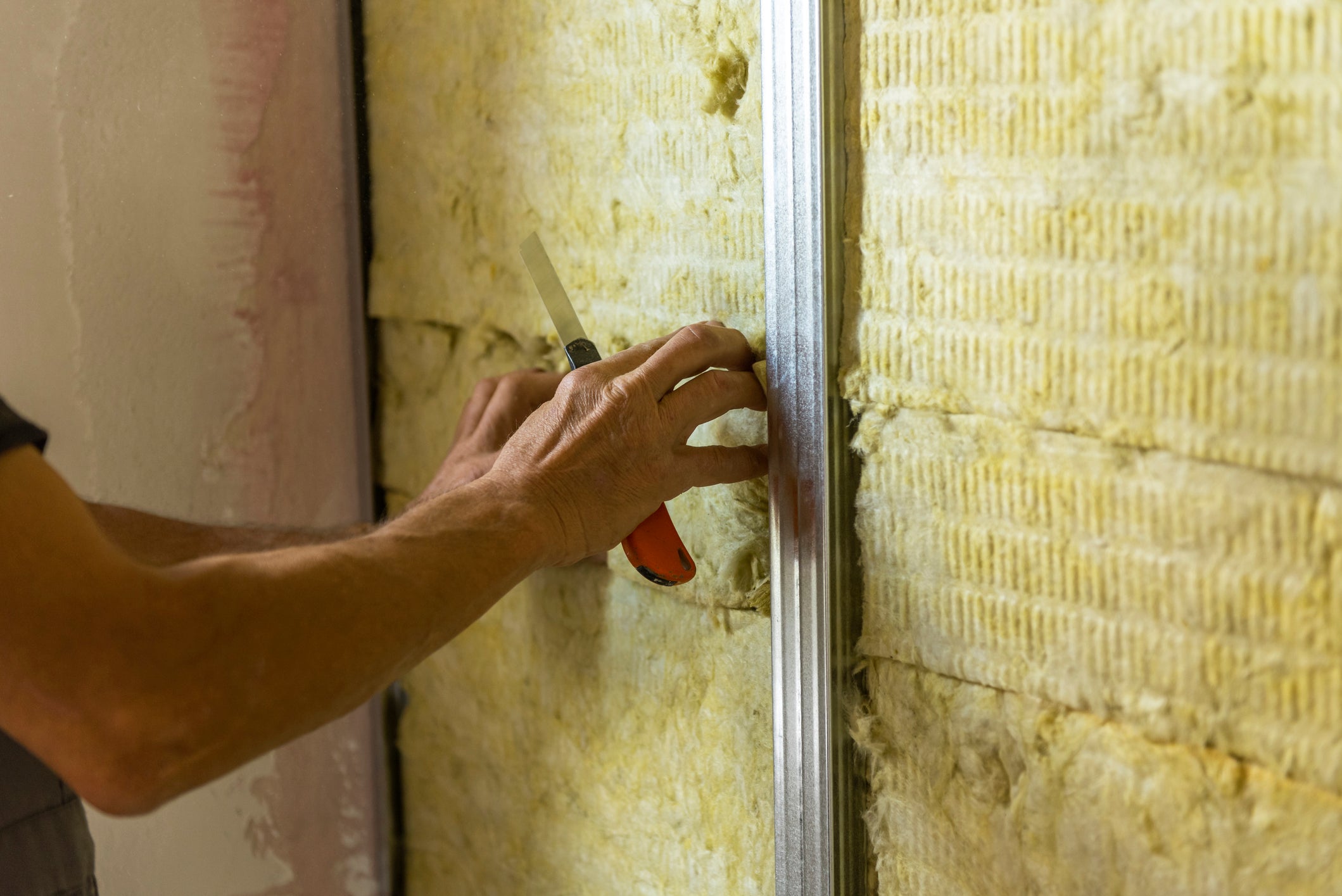
Energy efficiency obligations such as ECO work well for standardised, low-risk actions, like swapping bulbs or improving boilers. But, as we warned back in 2012, they are less suited to complex, capital-intensive retrofits of millions of households that require lots of coordination and long-term financing.
The UK’s energy efficiency governance still sits at arm’s length from the realities in people’s homes. Responsibilities are split confusingly between suppliers, Whitehall departments, auditors and local authorities, and it can often seem like no one is really in charge.
That’s why the failings highlighted in the National Audit Office report are not just implementation glitches or down to some “bad apple” installers. They’re failings of a governance model designed for incremental change, not the transformation required for net zero.
German lessons
If the UK really wants to retrofit millions of homes, it should look to what’s worked in other countries. Germany’s long-running KfW loan programme is one example. For more than three decades, it has supported high-performance refurbishments through low-interest loans and grants. Successive German governments have recognised that the returns – in jobs, tax revenues, economic stimulus – have consistently outweighed the upfront cost.
By contrast, ECO has been repeatedly restructured, with shifting targets and funding levels that make it hard to plan ahead. Treating home retrofit as a short-term obligation rather than a long-term national project has left the UK far behind its peers.
About the authors
Ewan Archer-Brown is a DPhil Candidate in Geography and the Environment at the University of Oxford.
Brenda Boardman is an Emeritus Research Fellow in Energy at the University of Oxford.
Jan Rosenow is a Leader of the Energy Programme in the Environmental Change Institute at the University of Oxford.
This article is republished from The Conversation under a Creative Commons license. Read the original article.
Retrofitting homes is inherently local (you can’t pick up your house and move it to a different area). Local authorities should therefore play a much stronger role in coordinating delivery, enforcing quality, and linking retrofit to other social goals such as tackling fuel poverty.
Getting councils involved would align retrofit with local priorities rather than distant central government targets. It could also rebuild trust among people who may understandably be wary of such schemes.
The UK’s forthcoming warm homes plan is a chance to reset. The government should take a hard look at the tools at our disposal and think about what is needed to foster the creative and courageous policy needed to decarbonise our homes.
Join our commenting forum
Join thought-provoking conversations, follow other Independent readers and see their replies
Comments
Bookmark popover
Removed from bookmarks