Church of England bishop apologises for ‘pain’ over same sex blessings row
The process has ‘wounded’ the church, senior leader says
A senior bishop has apologised and admitted “failures” as the Church of England's General Synod concluded a years-long process on same-sex relationships.
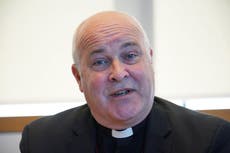
Archbishop of York, Stephen Cottrell, said that he and his fellow bishops recognised the “pain and disappointment” as the Synod voted to wind up the work of the Living in Love and Faith (LLF) group.
The LLF process, which began almost a decade ago, aimed to address how identity, sexuality, relationships, and marriage fit with Church teaching.
It cost £1.66 million between 2017 and 2025, mainly on staffing, consultancy fees, meetings, and conference costs.
It is exactly three years since a 2023 Synod vote in favour of offering blessings to same-sex couples in civil partnerships and marriages.
In December of that year, the first same-sex partnerships received blessings as part of wider services – but work to allow blessings in standalone services stalled in the years that followed.
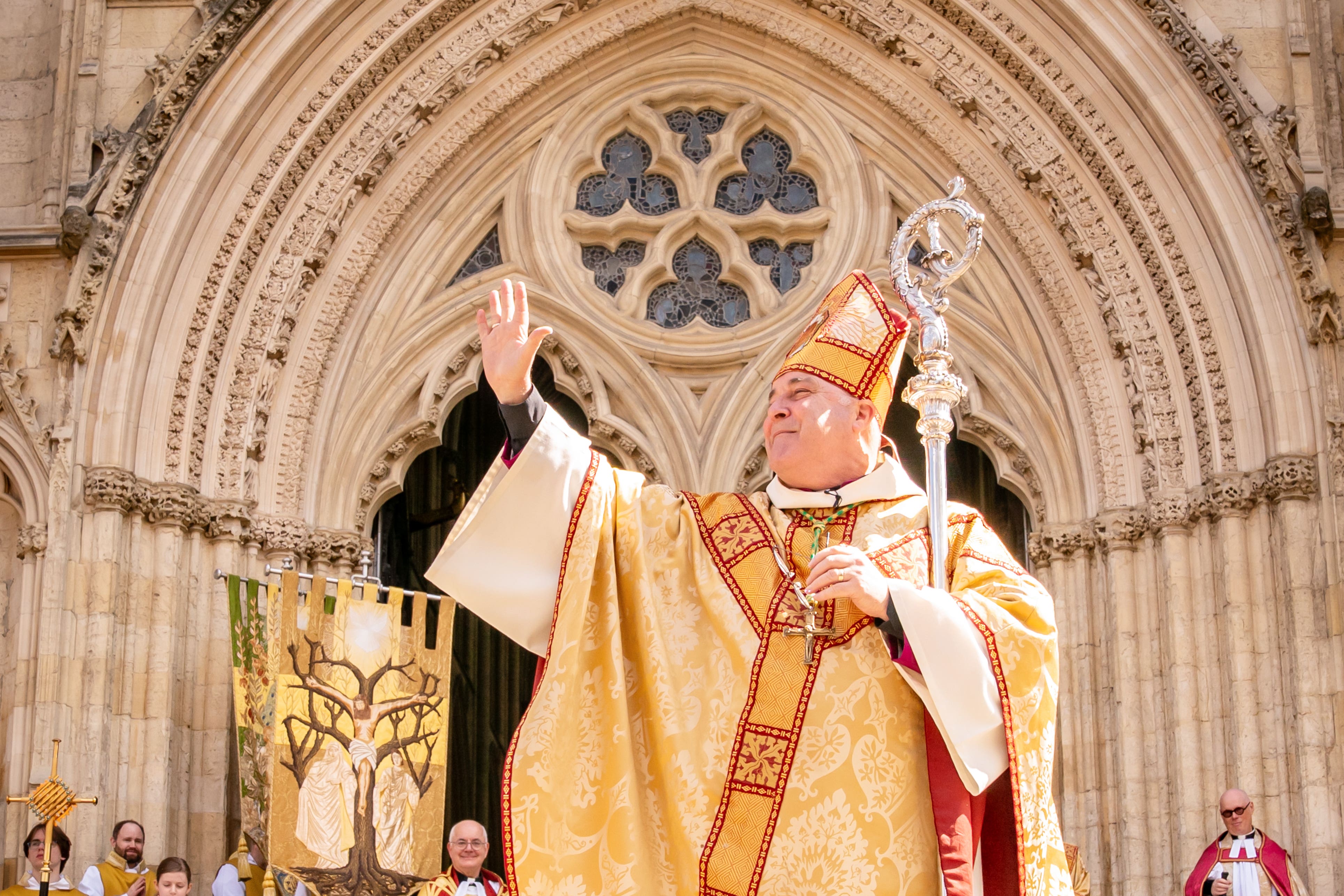
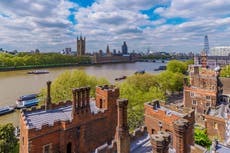
Mr Cottrell told those gathered at Church House, in London, on Thursday: “As bishops, we do take our responsibility for our part in this and we do want to say how sorry we are.”
The Church’s second highest-ranking bishop admitted “failures of process that have caused real pain to many on all sides of this chamber”.
He said: “We perhaps too easily saw LLF as a project to be delivered. This was probably a mistake.
“Sometimes we sought solace in ambiguity, when clarity was needed.”
He said the Synod is “more deeply divided than I think we knew, or admitted” with “hurt on all sides”.
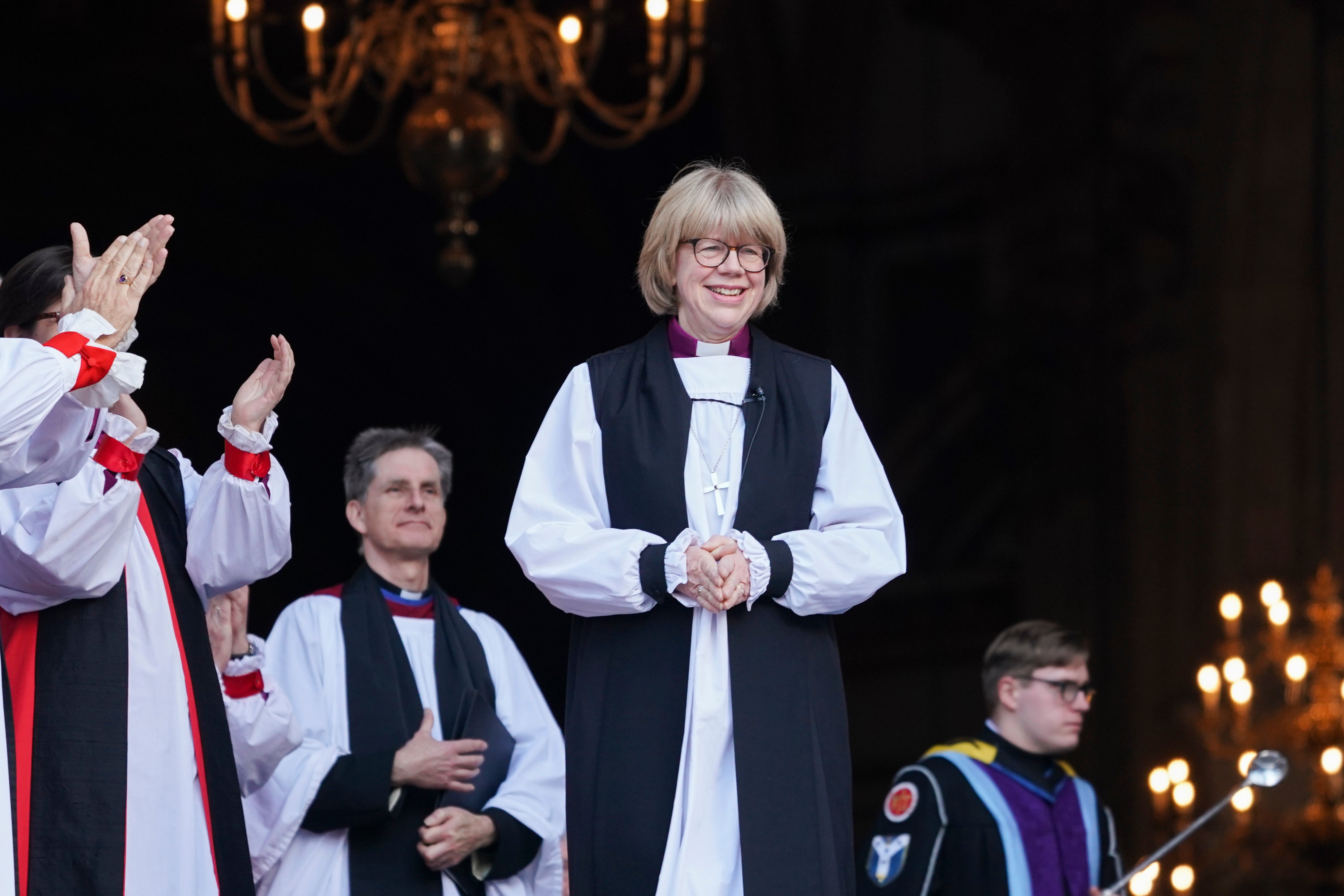
Archbishop of Canterbury Dame Sarah Mullally said the process had “left us wounded as individuals and also as a Church”.
The Church of England Evangelical Council (CEEC) has previously said the blessings – which are not compulsory – have “alienated many of us who hold to the historic and biblical Anglican doctrine” and are “endorsing something that is contrary to the teaching of the Bible”.
Efforts in the years that followed to have trial standalone blessing services failed to progress, with legal advice last year indicating legislation to authorise bespoke services would need two-thirds majorities in the three houses of Synod to be approved.
For a change in the rules that prevent clergy from being in a same-sex marriage, legislation would be needed with simple majorities at Synod and approval by the Westminster Parliament.
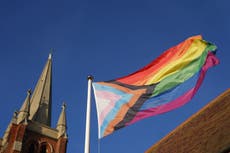
The motion which passed on Thursday confirmed Synod would “recognise and lament the distress and pain many have suffered during the LLF process, especially LGBTQI+ people”, and affirmed the process will conclude by July.
It also backed the formation of a new relationships, sexuality and gender working group.
 Lord help us – the church is agonising over same-sex couples again
 Archbishop acknowledges disappointment on standalone same-sex blessings decision
 What challenges might the new archbishop of Canterbury face?
 Who is Archbishop of York Stephen Cottrell?
 Church of England Synod in transphobia row after ‘he, she or it’ comment
Synod member Professor Helen King, speaking to the Press Association ahead of the vote, claimed some gay people feel unwelcome and are quietly leaving the Church amid the long-running row over same-sex blessings.
Prof King, an elected lay member of Synod for Oxford Diocese and vice-chairwoman for the Together for the Church of England group, which works for more inclusion in the Church, said the process has been “gruelling” and “very painful” for many.
She said: “Some of the things that are said in Synod are basically saying, ‘the reason we don’t want you to get married is you’re a sinner and you should repent’.
“And, ‘of course, it’s fine being homosexual but, if you have a sexual relationship, no, not fine’. So there’s a lot of, ‘oh, we welcome gay people’. But then when it comes to it, not their relationships, not their most significant relationships.”
She added: “Everybody knows of people who have left (the Church), but it’s through the back door. It’s very discreet. Nobody makes a fuss.
“People just quietly fade away because they no longer feel welcome.”
A letter published in January by the House of Bishops said that while dialogue “will and must continue, we also recognise that the Synodical process which began in February 2023 now needs to draw to a conclusion, albeit in a way which is imperfect, untidy and which leaves some important questions unresolved”.
Join our commenting forum
Join thought-provoking conversations, follow other Independent readers and see their replies
Comments
Bookmark popover
Removed from bookmarks